

Key Takeaways
- Teens typically start managing diabetes independently as a gradual process that begins during adolescence.
- When teens are ready to become more independent, they can learn to handle daily tasks without parental assistance, such as testing blood sugar levels, understanding how to interpret and respond to their levels, and calculating and taking insulin doses.
- Teens may wish to start choosing their own diabetes supplies and building a personalized diabetes kit.
- Teens may want to learn about and use modern technologies, such as smartphone apps for monitoring blood sugar levels and tracking lifestyle factors like diet and fitness plans.
- In addition to handling short- and long-term diabetes management, teens may want to start planning their own diet and exercise routines as part of a holistic approach to their health and wellness.
- Teens should be familiar with the signs of hypoglycemia and have an emergency plan and supplies in place.
How do teens manage diabetes independently? Typically, it’s not an overnight transition but a gradual process that begins during adolescence. Over time, young people naturally become more familiar with the supplies and tasks required to manage diabetes.
Every young person is unique, but kids as young as 3-7 can be motivated or encouraged to begin participating in diabetes management. However, parents will still play the primary role. Around ages 11-13, some children are ready to take a more hands-on approach.
Here are 7 key ways teens can begin embracing more responsibility and, eventually, manage diabetes completely independently.
1. Daily Blood Sugar Testing
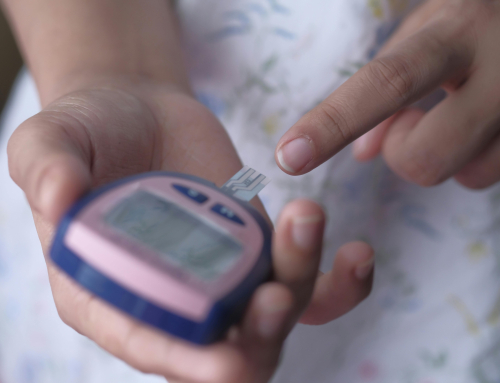
 In most cases, learning to use diabetes testing kits without parental aid is the first step toward independence. Checking and monitoring blood glucose levels is the cornerstone of diabetes management. Being able to handle this critical task unassisted is a major milestone.
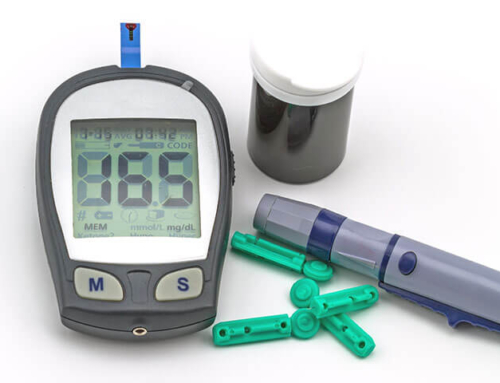
Teens will typically need to understand how to use diabetes lancets to collect a blood sample. They’ll need to know how to use a test strip and glucometer to check their blood sugar level.
Beyond knowing how to test blood sugar, teens will eventually need to learn to record their levels in a diabetes logbook and use that information to develop short- and long-term plans for diet and exercise.
2. Insulin Dosing
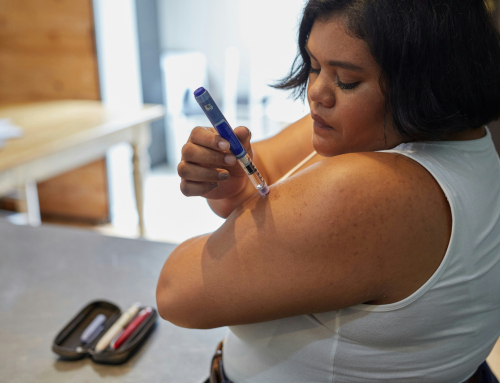
Once the teen is comfortable handling testing on their own, they may be ready to start taking insulin independently. Being able to check and interpret their levels empowers them to keep their blood sugar balanced between meals and overnight.
3. Choosing Preferred Diabetes Supplies
Once the teenager is comfortable testing their levels and taking insulin, they may want to build a custom diabetes kit with their preferred supplies.
For example, the teen may be ready to transition from insulin syringes to other insulin supplies, such as a diabetic pen that’s more portable, discreet, and easier to use.
Alternatively, some teens may be eager to find an insulin pump for sale, which is a wearable device that automates the insulin delivery process. The pump connects to an insulin pump reservoir that delivers insulin through an insulin pump infusion set connected to the body.
4. Exploring New Technologies
 Teens are often curious about modern diabetes technologies, such as smartphone apps that can monitor blood sugar and help them make informed decisions about lifestyle factors that affect their overall health.
For example, teens may want to use carb-counting apps to form healthier meal plans. Similarly, they may want to use a fitness app to compare how physical activity affects their levels.
5. Having a Hypoglycemia Emergency Plan
Being able to recognize the signs and symptoms of hypoglycemia is a vital step on the road to full independence.
Additionally, the teen should have a hypoglycemia emergency action plan in place, which includes owning and knowing how to use glucose products that can rapidly bring levels back over 70 mg/dL, such as glucose tablets, gels, or shots.
6. Navigating Social Situations
As teenagers become more independent, they may start hanging out with friends who don’t understand diabetes management. They may also find themselves in environments where managing diabetes is difficult or inconvenient.
A strong support system will be so helpful as they transition to the next chapter of their life. Talking to friends about diabetes can be difficult, but it’s important that they understand the disease, how it’s managed, and how to respond in an emergency.
Unfortunately, teens often neglect diabetes management in an effort to appear “normal” and avoid attracting unwanted attention. Remember that roughly 364,000 Americans under age 20 have diabetes! It’s extremely common, and true friends will be empathetic and understanding.
Whether they’re attending a gathering or traveling alone for the first time, new situations and social hurdles can be tough, but navigating them gets easier with time.
7. Embracing Self-Care
 Diabetes can take a toll on anyone’s mental and emotional health. Diabetes burnout is very real! For young people, the struggle can be especially difficult, adding stress to a period in life that’s already challenging.
How do teens manage diabetes independently when they’re struggling with mental and emotional health issues? One day at a time. Managing diabetes can feel like a 24/7/365 job without the benefits. Mental and emotional self-care is essential.
It’s okay and normal to feel overwhelmed and even angry. Self-compassion and kindness go a long way. Talking to a healthcare professional can help. Seek joy and fulfillment in hobbies and leisure time. Connect with loved ones and others who have diabetes. There’s support out there!
Save on High-Quality Diabetes Essentials
Whether you’re a parent helping a teen become more independent or a young person who’s ready to start managing diabetes on your own, you’re in the right place.
At ADW Diabetes, we stock a large selection of discount diabetic supplies and health and wellness products. We carry trusted brands at affordable prices, ensuring that you can manage diabetes effectively without breaking the bank. Shop now!










Leave A Comment