
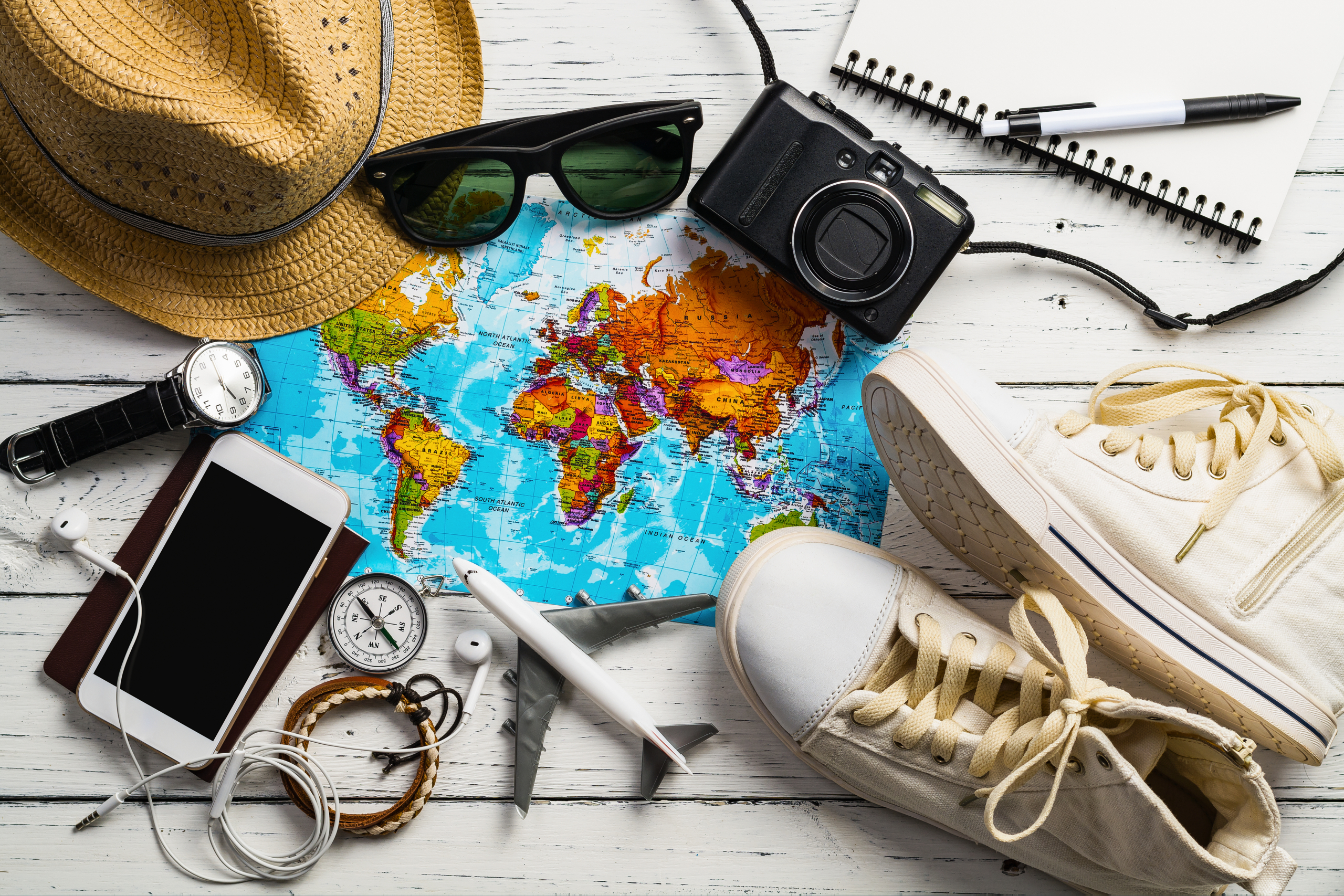
There are 589 million adults worldwide with diabetes and another 252 million who are still considered undiagnosed. Knowing how best to care for yourself is crucial, especially when you have diabetes and plan to travel. Having diabetes can make traveling much more challenging. Do not let that be you.
Summer is here and expected summer travel in the US and abroad is quickly ramping up. It is already forecasted to be “one of the biggest travel seasons in history.” With careful and detailed planning, you will stay safe and thoroughly enjoy your next adventure.
Travel involves a huge change to your daily diabetes routine. Changes may include eating different foods in larger quantities, changes in outside temperatures (usually hotter with higher humidity) causing dehydration and possible out of control blood sugars. There are also several changes in sleep quantity and quality and differences in stress and activity levels.
Travel days usually involve lots of sitting and tour days may be extremely active. Changing time zones can also influence your diabetes and change your diabetes medication requirements. It may be more difficult to keep your blood sugars in the “acceptable range” while traveling.
Adding a few simple steps prior to leaving for your trip may help you have a successful experience, while making sure your diabetes stays “in control.” Take the time to prepare for your travel and do not wait until the very last minute.
How do I start?
About 1-2 months prior to your trip schedule a complete medical exam to make sure your diabetes and other chronic health conditions are controlled. A history, physical and routine bloodwork are the usual standards that are included. Talk to your health care provider about what written information you need from them to prepare you for traveling.
It is more important to have written information from your doctor when you travel internationally. Know which immunizations/vaccines are needed in other countries and get them at least a month in advance. This will give you time to report and recover from any side-effects or complications.
You can contact the airlines about 48 hours before the flight to request a special meal that includes lean protein, is low in sugar, low in saturated fat and is considered “diabetes friendly.” They can give you options if you plan in advance.
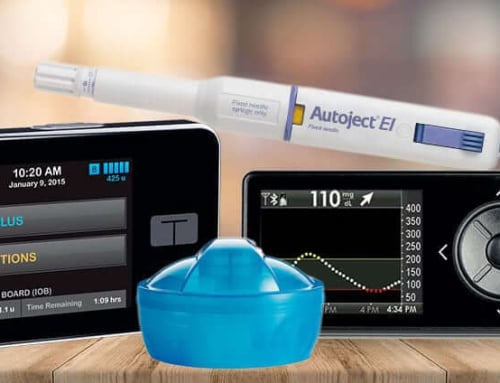
- Request a written note from your physician. Place one in your carry on and the other in your checked luggage. Included in the letter should be which type of diabetes you have (either type 1 or type 2), a complete list of all your medications including the name, generic name when traveling abroad, dosage and which medical condition you use it for. You need extra written medication prescriptions to carry with you. When traveling in the US, use a chain drug store which will be easier since your prescription will already be on file. Include a list of all your specific diabetes supplies and equipment. This may include an insulin pump, cartridges, reservoirs, sensors, infusion sets and a separate transmitter. Include prefilled insulin or GLP-1 syringes, empty syringes with bottles of insulin, a continuous glucose monitor as well as the components needed for the CGM. If you are not using a CGM, include in your note that you are traveling with a glucose meter with extra strips and lancets.
- A medical letter is not required by our TSA (Transportation Safety Administration) in the states, but it may speed up the entry line process at international airports. A medical letter may be required when traveling abroad. In the note, have your provider include your allergies to medications, foods or other substances. TSA allows “liquid medications in larger than 3.4 oz” but they must be labeled clearly with formal labels and original containers.
How else can I prepare?
- Pack a bag that is “carry-on only” and include your medications in their original containers with the labels. Do not “dump your medication into one plastic bag because that could cause a “standstill at the TSA security line.” Before packing, check the expiration dates of all your medications, both prescriptions and OTC meds. Make sure to carry extra specific batteries for all your diabetes equipment. Plan to pack all your diabetes supplies and equipment in your carry-on. Packing them in your checked luggage may expose them to extreme temperature changes when in the plane cargo area and increase the likelihood of them getting lost or accidentally taken.
- Add chargers for your devices and make sure to bring a universal power cord if traveling abroad.
- Also packed in your carry-on should be hand sanitizer, alcohol wipes and disinfectant wipes to lower the risk of developing an infection.
- A diabetes ID card should be placed in your carry-on bag. You should also wear a medical alert bracelet or necklace listing “diabetes and your allergies” in case of any emergencies.
- Keep CGMs and insulin pumps out of the direct sunlight. Watch out if you perspire heavily. Carry extra tape for positioning these devices.
- When traveling carry “two times as much medication and supplies” than the number of your travel days. You never want to be without your medications or supplies and obviously emergencies do happen. Flight and transportation arrangements can frequently change without notice. “Prescription laws vary from country to country.”
- Always pack snacks when you travel, including quick sugar sources if you get hypoglycemia or low blood sugar. Include glucose tablets or glucose gel, small 100% fruit juice boxes, hard candies or a small box of raisins. For healthy snack items between meals, eat a protein and complex carbohydrate. Included could be cheese or peanut butter with whole grain crackers, protein or Kind bars, high fiber cereal, unsweetened fruit cups, unsalted nuts and seeds or air-popped popcorn. Look for easy to transport snacks that do not require much preparation. You may even include a simple sandwich that does not need refrigeration. Never travel without food either on a plane, train, bus, ship or in your car. Always be prepared.
- Complete the inside of your passport which includes information for emergencies. Make sure you make a copy of your passport and put it in the bottom of your checked luggage. When you arrive at your destination, keep your original passport in a safe and carry a “photocopy.”
- Liquid medications are “exempt from the 3.4 oz rule for carry-on luggage.” Keep them separate from your toiletries.
- International customs “does not permit pill organizers or medications that are not in their original containers with labels.”
- Obtain a list of English-speaking health professionals prior to your trip. This can come from The International Association for Medical Assistance to travelers, which promotes travel medicine. Their concept and motto is “active cooperation among physicians throughout the world is required.”
- First responders such as police, EMTs, paramedics and fire fighters look for “personalized written medical information” details on you, especially when you are in a coma or do not have a travel partner.
Time Zone changes when Traveling
Time zone changes can influence your sleep patterns, hunger and appetite as well as the timing of your medications. Only adjust the new time on your watch when you arrive at your travel destination. Use a phone alarm to help you time your medications and know about this process in advance.
“Traveling eastbound means a shorter day which may mean you need less insulin. Traveling towards the west means a longer day which may require more insulin.” Have these discussions with your health care provider before you travel. Always check your blood sugar before taking insulin or eating meals.
Test blood sugars when you land. Time zone changes create “jet lag” and can send blood sugars to extremes. Sometimes your body feels the symptoms, but it may just be from fatigue. The only way to know is to test or wear a CGM.
Is 911 used as the “emergency number” worldwide?
No. Each country has its own emergency number. For instance, the European Union uses 112 instead of 911. 171 countries use the same number as the EU, 112. Some countries maintain separate phone numbers for ambulances, police and fire services. Make sure to check for this information online before you travel.
What are the differences between Trip Insurance and Travel Medical Insurance?
- Trip insurance: This is “short term insurance that protects the cost of your trip.” It covers trip interruptions, trip cancellations, damages, lost or stolen luggage or missed connections. Trip insurance is equal to trip protection insurance. It also includes issues like bad weather, travel delays and unexpected medical expenses. Trip insurance covers limited medical benefits. Most trip insurance policies include 24/7 travel assistance services by phone and online.
- Travel medical insurance: While you are in the states you are covered by a commercial health insurance plan, Medicare, Medicaid, private insurance or carry no health insurance. Travel medical insurance focuses on “travel related health risks only and not ongoing healthcare needs at home.” It is “short term insurance to cover health care costs outside your home country.” This may include expenses for a hospital room and board, an ambulance ride, emergency room visits and surgery costs. When traveling with a chronic disease like diabetes, “you should consider purchasing a travel medical insurance plan.” These plans include more medical benefits and higher medical coverage limits. You may need a specific waiver for your pre-existing conditions, such as diabetes, when traveling abroad so check when you are making your plans.
- According to the CDC, “Medical evacuation could cost somewhere between $25,000-$250,000” depending on your location and the severity of your health problem. Most overseas hospitals expect payment upfront. You need to get an itemized bill so you can see what was covered by your short-term plan. It is best to combine both types of insurance plans when possible and affordable. Check CDC website as well as AARP website for more information.
- Prepare and carry a list of US embassies and consulates in countries you intend to visit. Create a list of recommended hospitals, medical care facilities and pharmacies near you.
- You should always carry your personal medical history with you since first responders will try to locate this critical information during a medical emergency.
What else do I need to know?
Learn a few key foreign phrases when you go to another country. Included should be:
- I have diabetes
- I need to eat something with quick simple sugar
- Where is the pharmacy? The hospital?
- Know if your credit card company provides any extra benefits when you travel, such as providing English speaking MDs in that area.
Other Travel Tips with Diabetes
- Diabetic ketoacidosis is a medical emergency and can be life threatening. Symptoms may include extremely high blood sugars, severe dehydration, disorientation, vomiting and fruity smelling breath. Contact local emergency services immediately.
- Changes in cabin air pressure during take-off and landing can cause “insulin pens to leak droplets or form air bubbles” when the needle is left attached. Remove attached needles before flying.
- Insulin pumps and CGMs may be damaged by X-ray machines. Handheld metal detectors do not affect insulin pump function or CGMs. You should ask for hand inspections instead. You can be located to a private area if you desire.
- Prefilled insulin pens should not be injected during takeoff or landing due to changes in cabin air pressure.
- Insulin pumps may also alter insulin delivery while traveling on an airplane due to changes in cabin air pressure. Talk to your physician about self-injecting with a syringe in a basal/bolus format just when traveling on a plane. You can then reattach your insulin pump after landing.
- Insulin storage can be at room temperature or in a cooling gel travel pak. Never let insulin freeze or put it directly next to ice or ice packs. Never let insulin get warm or hot.
- You will probably become more active when traveling due to walking, hiking, swimming, dancing and climbing steps and blood sugars may plummet. You may be sitting on a bus, train, boat or car for hours and blood sugars may go up from inactivity. Make sure to keep track of your blood sugars and know the difference between high and low blood sugar symptoms. Always carry a quick-acting source of sugar during your travels. Drink water to help dilute high blood sugars.
- High blood sugar symptoms include increased hunger, thirst and urination. Dry mouth and headache may also occur.
- Low blood sugar symptoms include feeling shaky, sweaty, dizzy, or having a fast heartbeat.
- Watch for “drinking water safety” when you travel. Try to drink bottled water and eat cooked foods when possible, depending on your travel destination. Avoid salty, rich and spicy foods. Avoid raw and undercooked foods. You can purchase “water purification tablets” to add to drinking water when camping or abroad.
- Avoid overeating, especially on cruises where buffets are plentiful. You can certainly enjoy yourself but make a “tasting plate” with small portions of different foods. Do not go back for second or third portions. Watch alcohol and caffeine intake, which may dehydrate you, make you jittery and add extra calories. Consider drinking 4oz of wine or champagne with your largest meal. These selections contain less alcohol than liquor and do not require mixers, which add more sugar. Have a taste or bite of a dessert, but not an entire serving.
- Decide before you travel if you will use bottled water to brush your teeth. Showering with water while traveling abroad should not create any problems.
- Limit or avoid the use of hot tubs, saunas, whirlpools or steam rooms which may lead to dehydration. Especially if you suffer from heart disease, high blood pressure, circulation issues or have an active open skin wound or infection.
- Wear compression socks/stockings when traveling for more than 2 hours in a car, train or plane. Inactivity can lead to blood clot formation. Pump your feet up and down and rotate your ankles every hour. Try to walk in the aisle of the plane when possible. Cross your legs at the ankles, not the knees. Stretch your legs when you have extra room.
- Wear supportive shoes with a sturdy rubber sole and cotton/blend socks for feet safety. Elevate your feet while resting at the end of each day by placing a firm pillow under your feet. Feet swelling is very common while traveling. Never walk barefoot, not even in your room or at the beach or pool. Wear slippers and water shoes as needed.
- Moisturize your skin after a bath or shower.
- Apply sunscreen to prevent sunburn and cover your head with a scarf or a hat with a brim. Wear sunglasses.
- Carry and apply bug spray as needed. Look for tick protection if that is a current issue in your travel area.
- Pack a rain poncho or fold up umbrella for rainstorms. Rubber boots would be protective, too.
- Wear SPF clothing when possible.
- Wear long sleeves and long pants when visiting an area that contains ticks.
- Carry OTC medications for heartburn, diarrhea, anti-itch, constipation, antibiotic ointment, lubricating eye drops and Ambesol for mouth or tooth pain. Bring an OTC that treats excess mucus, sore throat, fever, and coughing in your travel day/carry-on bag. Ask your physician if you should have an emergency glucagon kit or urine ketone strips for diabetes emergencies.
- Always carry filtered or bottled water. Consider adding electrolyte packets to your water, depending on the temperature extremes.
- Find out the needed vaccines/immunizations for your travels and get them at least a month prior to leaving for vacation.
- Try to contact the International Diabetes Federation groups to obtain information when traveling abroad. It was originally founded in 1950 in Amsterdam. Their mission is “to improve the lives of people living with diabetes and prevent diabetes in those at risk.” IDF advocates at the global level and is the worldwide voice of the diabetes community. The International Diabetes Federation is “composed of 251 national diabetes associations in 158 countries and territories.”
What about remote travel, camping, wilderness travel, or cross-country highway adventures?
These travel experiences require an extra layer of preparation and caution. You may be far away from emergency services, food and beverages. You may be much more active on these kinds of trips and require less insulin or diabetes medication. Inform your health care provider before you travel to discuss specifics.
What are the current guidelines when you are taking GLP1s or GIPs injections and traveling?
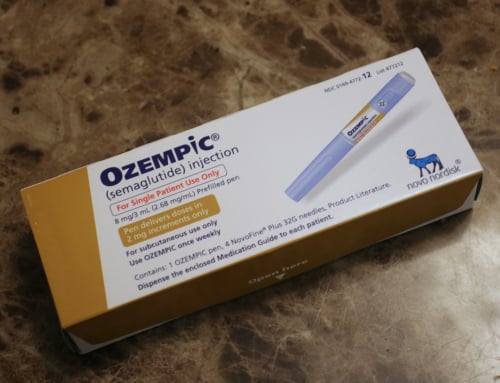
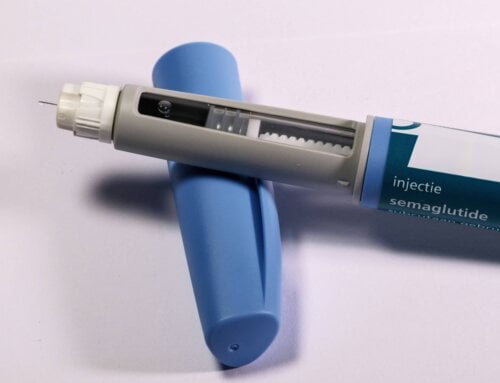
- These medications, Ozempic or Mounjaro, have become very popular for treating diabetes and are often used to enhance weight loss.
- They slow gastric emptying, make you less hungry, and may lead to nausea, diarrhea, constipation or vomiting. Be prepared for these side effects. Watch out for ultra-processed foods, empty sweets, rich foods, salt and alcohol while traveling and taking these medications.
- Try not to miss more than one dose during your entire vacation. By “missing 2 consecutive doses” your blood sugars will increase and so will your level of hunger.
- Make sure to add fiber to your diet and stay hydrated to prevent constipation from these injections.
- Store these medications in a refrigerator prior to opening the original packaging. When open, do not expose them to extreme temperatures, either hot or cold. Extreme temperatures will cause these medications to “breakdown.” Transport them in TSA approved gel pack cases. Carry GLP1s and GIPs with you and never pack in your checked luggage.
- GLP1s and GIPs can go through the TSA scanners and are considered “medically approved liquids.” Carrying a printed prescription or note from your health care provider makes it even easier when in a TSA line.
- When open, Ozempic can be stored at room temperature for 56 days and Mounjaro can be stored at room temperature for 21 days.
Travel season is gearing up. Be prepared as much as possible, especially when you have diabetes. Having a plan will make travel easier and much more pleasant. Enjoy and stay safe!
References:
- https://www.healthline.com/health/diabetes/tips-for-traveling-with-diabetes
- https://www.hopkinsmedicine.org/health/conditions-and-diseases/diabetes/traveling-with-diabetes
- https://idf.org/
- https://www.cdc.gov/diabetes/about/tips-for-traveling-with-diabetes.html
- https://www.diabetescarecommunity.ca/living-well-with-diabetes/
- https://www.healthlinkbc.ca/healthwise/diabetes-travel-tips
- https://www.glp1newsroom.com/post/travel-with-ozempic-zepbound-wegovy-mounjaro
- https://www.worldtrips.com/difference-between-trip-insurance-and-travel-medical-insurance?
- https://www.airportoverview.com/travel-tips/flying-with-medication-tsa-rules
- https://www.diabetes.ca/learn-about-diabetes/your-rights/air-travel
- https://www.uclahealth.org/medical-services/endocrinology/diabetes/type-2-diabetes/guidelines-travel
- https://healthlibrary.stanford.edu/content/dam/sm/healthlibrary/documents/traveling_diabetes.pdf
- https://www.everydayhealth.com/diabetes/travel-hacks-for-people-with-diabetes/
- https://www.health.com/condition/type-2-diabetes/high-blood-sugar-symptoms
- https://www.mayoclinic.org/diseases-conditions/hypoglycemia/symptoms-causes/syc-20373685
- https://www.forbes.com/sites/judykoutsky/2025/08/23/experts-how-to-travel-safely-on-glp-1s/




Leave A Comment