

Key Takeaways
- Glucose tablets are shelf-stable, highly portable, and contain smaller amounts of glucose, allowing for precise, incremental dosing.
- Glucose gels and shots (single-serving drinks) are especially fast-acting and easy to swallow, but aren’t as shelf-stable and temperature-resistant as tablets.
- Shots are the easiest to consume during a severe hypoglycemia emergency.
When hypoglycemia (low blood sugar) occurs, it’s important to act fast. Using glucose tablets, gel, or shots that contain fast-acting glucose is an effective way to bring your levels back over 70 mg/dL when every second counts. As an added benefit, their portability makes it easy to keep them on hand for emergencies.
Choosing between glucose tablets vs. gel vs. shots is largely a matter of personal preference, as they all produce the same results. However, you may find that one format suits your lifestyle and preferences better. Here’s everything you need to know to make an informed decision!
Frequently Asked Questions
What is the healthiest way to get glucose?
The healthiest way to get glucose is by consuming unprocessed fruits and veggies. Although high-glycemic fruits and vegetables are processed by the body faster than low-glycemic fruits and vegetables, they still may not act quickly enough to immediately prevent or treat hypoglycemia.
Whether you prefer glucose tablets vs. gel vs. shots, all three products fill that gap, providing a simple solution when rapid absorption is required.
How do you feel when your sugar is low?
According to Mayo Clinic, the early symptoms of hypoglycemia are:
- Sweating
- Shakiness
- Nausea
- Fatigue
- Headache
- Hunger
- Pale appearance
- Fast/irregular heartbeat
- Anxiety
- Irritability
- Lightheadedness
- Dizziness
- Difficulty concentrating
- Numbness or tingling of the tongue, lips, or cheek
Can not eating cause hypoglycemia?
Yes. According to the American Diabetes Association, not eating enough food and delaying meals can cause a low, requiring that you consume glucose tablets, gel, or shots. This can occur because your body is forced to use glycogen (stored glucose) to produce energy. Eventually, those reserves will run out and cause hypoglycemia.
What foods trigger hypoglycemia?
Understanding the differences between glucose tablets vs. gel vs. shots empowers you to have a reliable solution on hand, but it’s still important to avoid potential triggers.
According to the Cleveland Clinic, the exact triggers of hypoglycemia are unknown. Consuming high amounts of sugar, alcohol, and simple carbs can be potential triggers. The reason is that these foods cause a rapid blood sugar spike, which then quickly drops below a safe level.
What is the 15 15 rule?
- Consume 15 grams of fast-acting carbs.
- Wait 15 minutes.
- Recheck your levels.
- Repeat until glucose rises.
Check this infographic from the American Diabetes Association for more information.
Glucose Tablets vs. Gel vs. Shots
 Should you choose glucose tablets or gel? Or are single-serving shots a better option? Here’s a brief overview of the pros and cons associated with all three formats.
1. Tablets Offer Precise Dosing and Shelf Stability
Pros:
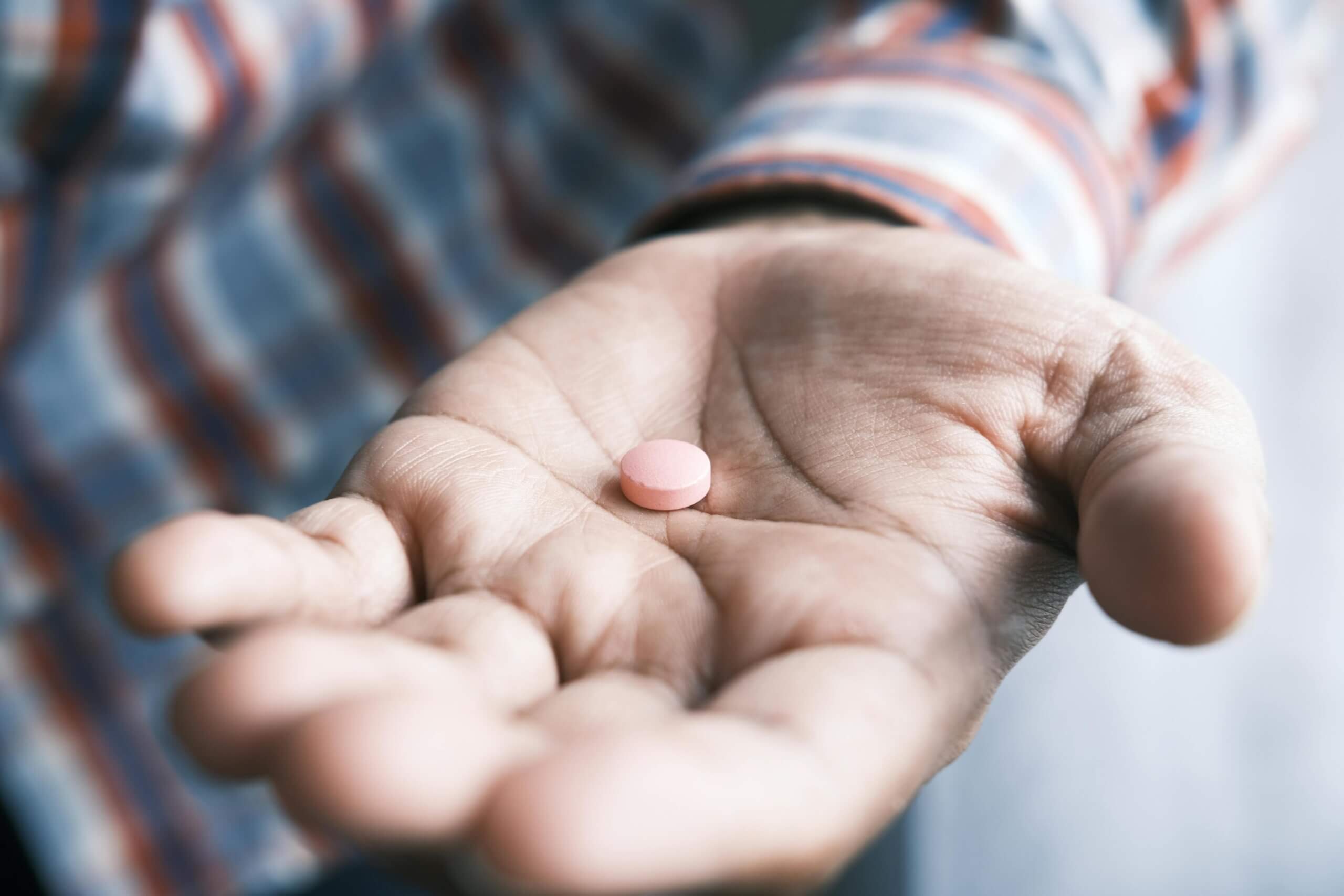
Tablets are a great choice for a number of reasons. They often contain smaller amounts of glucose (typically 4 grams), allowing you to adjust your dose incrementally with precision. They’re shelf-stable and unaffected by temperature shifts. They also contain more than one 15-gram dose, making them a highly portable option compared to single-serving gels and shots.
Cons:
When comparing glucose tablets vs. gel vs. shots, consider their consistency and texture. Tablets must be chewed, and some people find their chalky texture unpleasant. Because they need to be chewed, they may not be absorbed into the digestive system quite as rapidly, and chewing may not be possible if a severe hypoglycemia emergency occurs.
2. Gels Are Fast-Acting and Easy to Swallow
Pros:
Gels act extremely quickly because they don’t need to be chewed. And, if a severe hypoglycemia emergency occurs and you’re unable to chew, gels can be administered by someone else and are easier to get down. Most gel packets contain exactly 15 grams of glucose, allowing for accurate, hassle-free dosing.
Cons:
Shelf stability is an important factor to consider when choosing between glucose tablets vs. gel vs. shots. Because gels are liquid-based, they have a shorter shelf life compared to tablets. They can also be affected by extreme temperatures, and they’re more vulnerable to physical damage.
Ease of use is another factor to consider when choosing between glucose tablets or gel. If you’re disoriented, it may be difficult to open the gel packaging, and there’s a higher risk of spilling the gel.
3. Shots Are Palatable and Fast-Acting
Pros:
Shots (single-serving drinks) are popular because they tend to be the most pleasant to consume. Beverages are more familiar than tablets and gels, and many come in tasty flavors. Another difference between shots vs. glucose tablets vs. gel is their thickness. Because shots consist of liquid, they’re easier to swallow, and they can be administered by someone else.
Cons:
Out of all three formats, shots are the bulkiest. A bottle of tablets typically contains around 200 grams of glucose. A shot occupies a similar amount of space, but only contains 15 grams. Although shots are easier to drink, they’re also easier to spill if you’re disoriented. Shots can also be affected by extreme temperatures, so they can become frozen or uncomfortably hot.
Save on High-Quality Glucose Products
 At ADW Diabetes, we stock a variety of glucose products. After weighing the pros and cons of glucose tablets vs. gel vs. shots, find your preferred format with products from trusted brands like Glutose, Diachieve, and TRUEplus.
Whether you choose glucose tablets or gel or shots, you’ll get the best deals on high-quality diabetic supplies here at ADW Diabetes. Our affordable selection of discount diabetic supplies and health wellness products includes everything you need to manage diabetes effectively at home.
Shop the least expensive glucose test strips, glucose urinalysis test strips, diabetes testing kits, insulin supplies, and so much more. Join our Diabetic Coverage® Auto-Ship Program for convenient scheduled deliveries!








Leave A Comment