
Key Takeaways
- Learn to recognize the symptoms of hypoglycemia
- Store glucose tablets, gels, or shots in strategic locations for easy access
- Talk to a health care professional about acquiring a glucagon emergency rescue kit
- Wear a necklace or bracelet with your medical information
- Make it a habit to set a re-rest reminder after treating your low blood sugar
- Communicate with loved ones so they know how to respond to a medical emergency
If your blood sugar falls below 70 mg/dL, you need to have an action plan in place to bring it back up to the safe zone. Even if you have support from loved ones or caregivers, they may not always be around to provide aid.
The good news is that implementing precautionary safety measures is easy and affordable. Diabetes affects more than 11% of Americans. Naturally, there are many products available for managing and mitigating the effects of this common condition.
Don’t delay this important step in your diabetes journey. Give yourself the peace of mind that comes with knowing you have a plan in place if hypoglycemia occurs.
Frequently Asked Questions
Before we outline what a hypoglycemia action plan looks like, let’s start with answers to common questions.
What is the 15-15 rule?
The 15-15 rule is a method for bringing your levels back up. You consume 15 grams of fast-acting carbs, wait 15 minutes, and then re-test your levels. If your blood sugar is still below 70 mg/dL, repeat the process.
What are the best sources of fast-acting carbs?
During a hypoglycemia emergency, it’s best to use glucose products that are made specifically for that purpose, such as tablets, gels, or shots. TRUEplus and Glutose are both reputable brands.
Learn more here: Glucose Tablets vs. Gels vs. Shots: Which Is Best for Rapid Hypoglycemia Relief?
What types of foods have 15 grams of fast-acting carbs?
If you don’t have glucose tablets, gels, or shots available, here are some foods that contain around 15 grams, as recommended by WebMD:
- 15 grapes
- A small banana, orange, or apple
- Half a cup of granola
- Half a bagel
- A few prunes
- Two tablespoons of raisins
What should I consume when my blood sugar stabilizes?
Once your levels are above 70 mg/dL, you should consume something with slow-releasing carbs, protein, and fat to help prevent your blood sugar from dropping again.
Dietary supplements such as Glucerna or Boost Glucose Control release carbs slowly, helping to prevent a secondary drop and keep your levels balanced.
How to Form a Hypoglycemia Action Plan
 Here are 6 actionable steps you can take right now for lasting peace of mind.
1. Learn to Recognize the Symptoms
To be able to handle a hypoglycemia emergency, you need to be able to recognize the signs that it’s occurring. Every second counts.
Here are the most common signs and symptoms of hypoglycemia:
- Nervousness/anxiety
- Irritability/impatience
- Rapid heartbeat
- Shakiness
- Chills, clamminess, and/or sweating
- Dizziness/lightheadedness
- Confusion
- Sleepiness
- Lack of energy
- Feeling weak
- Lack of color in skin
- Nausea
- Hunger
- Impaired/blurred vision
- Numbness/tingling in cheeks, lips, and/or tongue
- Headache
- Clumsiness/lack of coordination
It’s important to note that every individual is unique and may experience different symptoms. When your blood sugar is low, take note of how you feel. Over time, you’ll start to be able to recognize when you need to test and/or consume fast-acting carbs.
Furthermore, hypoglycemia unawareness can occur, which is when you don’t experience symptoms even though your blood sugar is low. That’s why regularly checking your levels with diabetes testing kits or CGM supplies is crucial.
2. Keep Glucose Products in Strategic Places
During a hypoglycemia emergency, it may be difficult to retrieve your glucose tablets, gels, or shots. To improve your chances of accessing them as quickly as possible, store them throughout your home, in your vehicle, in your bag, and with your diabetes supplies.
Additionally, be sure to tell family members, partners, or roommates where they can locate your glucose products. That way, if you’re unable to retrieve them on your own, they’ll know exactly where to find them.
3. Get a Glucagon Emergency Rescue Kit
Tablets, gels, and shots are helpful, but in severe cases of hypoglycemia, it may not be possible to swallow them. A glucagon kit is an essential backup solution. Talk to a health care professional about acquiring one as soon as possible, and make sure you and your loved ones know how to use it.
4. Wear Medical Identification
If you’re unable to balance your levels in time, it’s important that first responders know that you have diabetes. Wear a bracelet or necklace with your medical information.
5. Make a Habit of Setting a Retest Reminder
Make it a strict habit to set a timer for 15 minutes after balancing your levels. Re-testing is a critical part of the 15-15 rule. An audible alarm ensures you don’t forget to follow up.
6. Communicate With Loved Ones
Talking to loved ones about diabetes can be difficult, but your close contacts need to know how to respond if an emergency medical situation occurs. You may want to create a checklist of instructions for them to follow in case of a hypoglycemia attack.
Order Diabetes Essentials Today
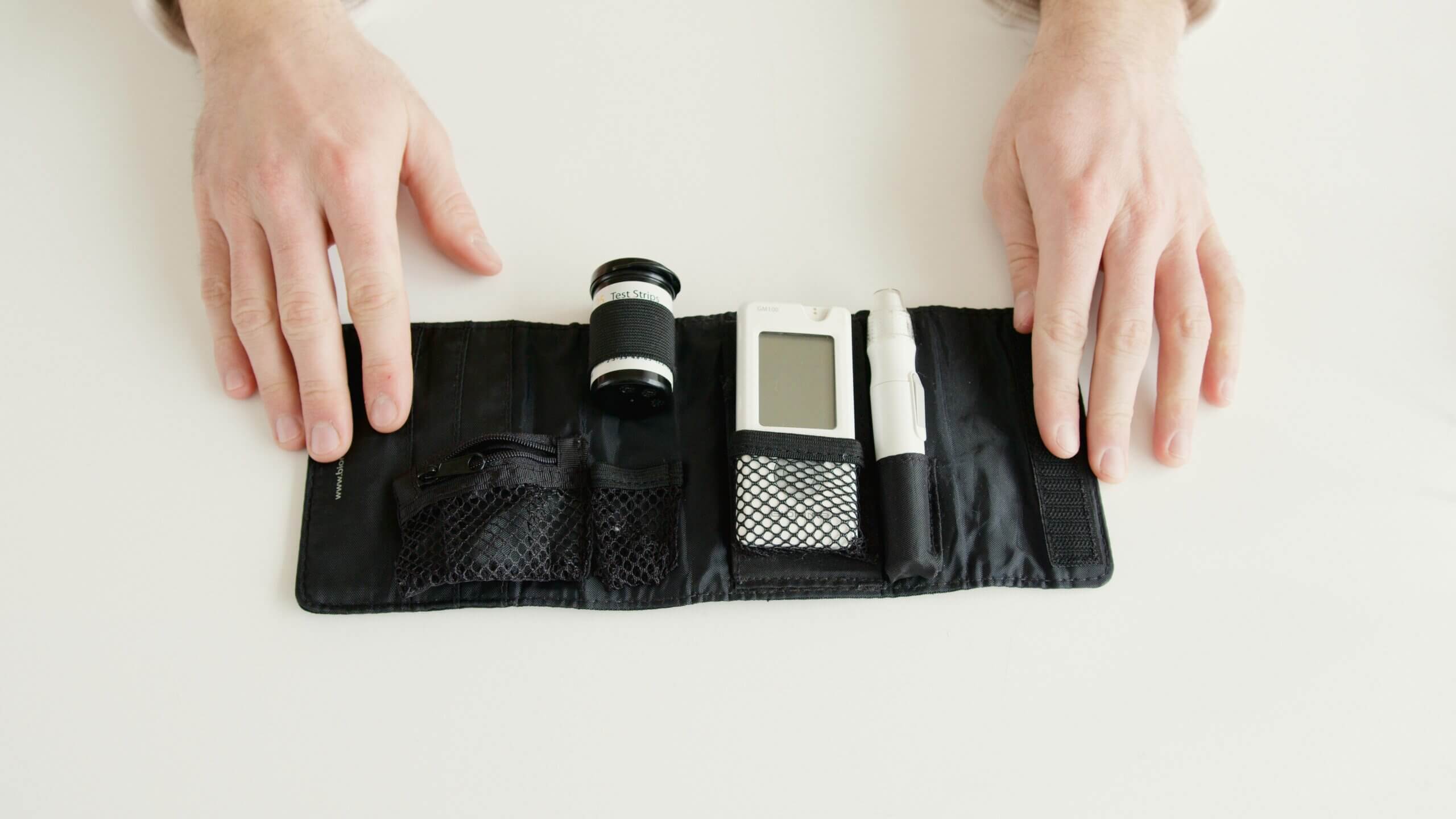 Diabetic supplies play a critical role in your immediate and long-term health. Whether you’re seeking the least expensive glucose test strips or a state-of-the-art insulin pump for sale, we carry everything you need to stay safe and feel your best.
Add glucose products and other discount diabetic supplies to our Diabetic Coverage® Auto-Ship Program so you always have an adequate supply on hand. Shop now, and enjoy speedy shipping, trustworthy customer service, and affordable prices.







Leave A Comment