

ADW Diabetes, we are constantly researching new findings and up-to-date information to help you better understand and manage your diabetes. Read below to learn more about some of the latest news concerning diabetes.
1. Fall risk associated with having diabetes and being elderly
Falls and related fall injuries can occur at any time and at any age, but specific factors can increase the possible risk. Higher age, your balance, visual impairment, muscle loss, weakness and taking certain medications can increase your chances of taking a dangerous fall. Having diabetes is also on that list.
“Elderly individuals with diabetes are 1.5-3 times more likely to experience falls compared to those without diabetes.” Falls and the complications relating to the fall are the leading cause of death in the elderly. Falls may lead to complete bedrest due to bone fractures, possible blood clots, infections and higher uncontrolled blood sugars.
This is related to multiple diabetes complications including nerve damage or neuropathy, retinal eye damage or retinopathy, having lower grip strength due to muscle loss and getting hypoglycemia from specific diabetes medications. Your health care provider should always be aware of your heightened fall risk when you have diabetes, especially when starting on new medications.
Possible reasons for an increase in falls
Never start new medication before discussing the side-effects with your physician
- Blood pressure lowering medications. These include ACE inhibitors, ARBs, beta blockers and water pills.
- Orthostatic hypotension. Orthostatic hypotension can occur from taking blood pressure or heart medications. It can also be caused by dehydration, especially in elderly people or “due to multiple endocrine disorders.” Uncontrolled diabetes can disrupt your blood pressure regulation. Diabetic neuropathy can also affect your ability to regulate blood pressure while changing body positions.
- Anti-anxiety medications. Also known as benzodiazepines, these medications signal the brain to relax. Included are Xanax, Ativan, Klonopin and Valium. These drugs can make you feel dizzy, tired, spacey, impair your balance and cause sedation or fainting, which can all lead to a serious fall.
- Opioids. Examples would include oxycodone, morphine, codeine, hydrocodone, fentanyl, tramadol, methadone or demerol. Although recently these are prescribed much less frequently due to high addiction rates, they still remain a problem. They cause sedation, loss of balance, impaired alertness, coordination problems, confusion and possible fainting. They lower your breathing rate, your heart rate and your blood pressure, creating more fall risks. You may also develop blurred vision. “Falls are greatest in those over 60 years of age when taking opioids.”
- Antispasmodics. Choices include Bentyl or Detrol. These medications relax the smoot muscle in your abdomen or urinary system when they are spasming or cramping. They alter vision, balance, and coordination and often lead to falls.
- Older antihistamines. Examples include Tylenol PM, Nyquil PM, Advil PM and Benadryl. These OTC medications block histamine which can alter your energy and brain function. OTC allergy and cold medications may cause extreme fatigue, instability and balance and vision issues. There are newer brands of antihistamines such as Claritin or Zyrtec, which cause fewer side effects and almost no added fatigue.
- Sleeping pills. Many older adults have sleep disorders including insomnia and take a sleeping pill daily, which can create dependency. Taking sleeping pills may lead to confusion, disorientation, drowsiness and frequent falling.
- Alpha blockers. Included would be Flomax, Cardura, Hytrin, Rapaflo and Uroxatrol. These medications are taken to increase urination due to an enlarged benign prostate. This may cause dehydration, dizziness, being off balance and an increase in falls.
Helpful medication advice for the elderly, especially when you have diabetes
Talk to your physician about reducing the above medications or changing them to other medications that are better tolerated. Consider taking a lower dose of these drugs, if suggested and approved by your health care provider.
Get an annual eye exam and make sure to have both your prescription eyeglasses and sunglasses updated. Be extremely careful when you wear bifocals or trifocals.
Bring a list and check all your prescription medications, OTC medications and supplements with your pharmacist. Make sure your medication timing is correct. See what you can take at bedtime to prevent falls.
Do not wait. Initiate a discussion with your health care provider if you have any symptoms such as weakness, dizziness, blurry vision, instability, confusion or disorientation which may lead to a fall.
Do not be afraid to switch from your current drugs or stop drugs after discussing this with your doctor. They may offer medication alternatives that have no sedation effects.
How to prevent falls:
- Better glucose control results in fewer overall falls. Hypoglycemia makes you weak, dizzy and confused. High blood sugar can cause cognitive difficulties.
- Make your living space free from area rugs, electrical cords, animal toys and standing lamps.
- Simplify your living area from clutter.
- Purchase bathroom rugs with a sticky nonslip surface.
- Put a stool or chair in the shower.
- Keep up with your exercises to build balance, strength and lean muscle mass.
- Eat a diabetes-friendly diet to keep up your physical and mental stamina.
- Go from a lying position to a sitting position for a few minutes before standing.
- Stand up slowly when you are ready to stand. Try holding on to something to steady yourself.
- Try to get 7-8 hours of uninterrupted sleep per night.
- Consider taking some of your medications at bedtime if recommended and approved by your physician.
- Wear socks with a sticky bottom, like those given in the hospital.
- Use a 4-prong cane or walker to help with balance while walking.
- Install railings, bars and banisters where needed to help with support.
- Always hold on when going up or down stairs.
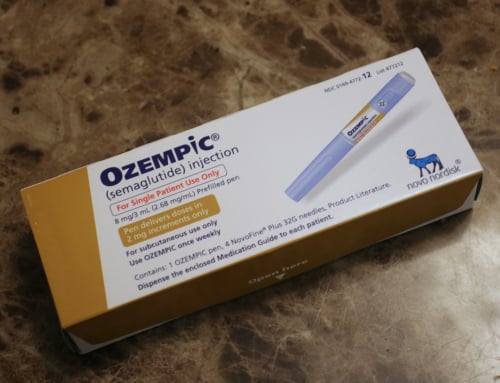
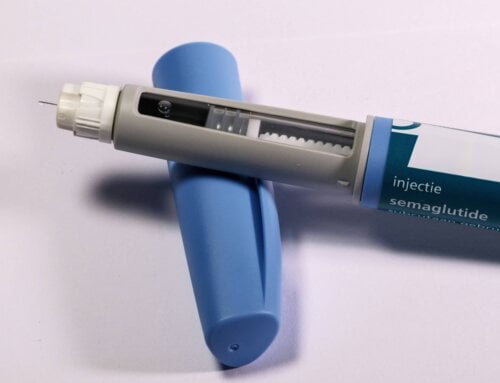
2. Should patients taking a GLP-1agonist, such as Ozempic or Mounjaro for diabetes, take a multivitamin or any other vitamins?
Many patients with diabetes are now being prescribed GLP-1agonists to help better control their diabetes and weight. They help regulate your blood sugar after meals since they stimulate insulin secretion. They reduce cardiovascular events like heart attacks and strokes.
They improve kidney function which is a common complication of diabetes. Ozempic and Mounjaro offer sustainable weight loss quicker and more efficiently than other methods. “Taking a multi-vitamin is now being promoted for older adults taking these injectable medications.”
Taking GLP-1 agonists can also decrease your appetite and food intake. B vitamins contribute to your overall health. B vitamins support cell health, eyesight, energy levels, brain function, digestion and cardiovascular health.
Remember, food sources such as fresh or frozen fruits and vegetables remain the best source of vitamins, if they are not prepared in syrups or sauces. Most of the time, if you are eating enough of these foods, you will not become vitamin deficient. Vitamin B is found in animal products such as beef, pork, fish, poultry, eggs and dairy.
When taking GLP-1 diabetes medications, you may not eat enough food, make wise choices or get the proper nutrients. People with diabetes who take Metformin may also be low in B vitamins. Taking Metformin makes it more difficult to absorb B vitamins “in up to 50% of patients.”
How do I know if I am low in B vitamins?
A simple blood test ordered by your physician can diagnose low B vitamins. Never start taking multivitamins or any supplements without first consulting your health care provider.
Which symptoms do you experience if you have low B vitamin levels, especially B12?
You may feel tired, forgetful, weak, develop brain fog and experience tingling and numbness, like diabetes neuropathy if you are low in Vitamin B12. “Prolonged B12 deficiency may also damage your nerves.” Vitamin B12 deficiency is often seen with diabetes. You require 2.4 micrograms of B12 per day as an adult.
How can you replace vitamin B if you are not eating enough due to side-effects of GLP-1s?
After speaking to your MD, you may only decide to take B vitamins instead of a multivitamin. You can get B vitamins in a pill or liquid form. If you have GI absorption problems, your physician may recommend B12 shots. “Taking too much vitamin B may raise blood sugars.”
Which other vitamins may you also be low in due to taking GLP-1s?
Talk to your health care provider about your levels of vitamin D and magnesium. This is easily tested with a blood test. These are frequently low in people with diabetes. Women are more at risk for micronutrient deficiencies than men. Vitamin D maintains general health and is necessary for muscle and bone development. Vitamin D is “a fat- soluble vitamin” and may be toxic if taken in high quantities.” Levels over 100ng/ml are considered too high, with levels over 150ng/ml are toxic. Optimal vitamin D levels for adults are 30-60ng/ml.
What symptoms do you experience with high vitamin D levels?
Too much vitamin D intake can cause hypercalcemia or high levels of calcium in the blood. A blood test can diagnose hypercalcemia.
Symptoms include:
- Stomach discomfort – nausea, poor appetite, constipation, diarrhea
- Cognitive affects – fatigue, confusion, hallucinations, dizziness
- Heart issues – high blood pressure, abnormal heart beats
- Kidney problems – kidney stones, dehydration
How to take your vitamins properly
If you and your physician decide it is beneficial for you to take a multivitamin or individual vitamin D, B vitamins or magnesium, make sure to take them after eating food, with a full glass of water. Check to see if these vitamins interact with any of your prescription medications. Look for a vitamin with a symbol USP (US Pharmacopeia) on the label since vitamins are not studied or approved by the FDA.
USP assures you that the vitamin:
- It contains the actual ingredients on the label.
- It does not contain harmful levels of specified contaminants.
- It will break down and release into your body within a specified amount of time.
- It maintains GMP (Good Manufacturing Practices) with sanitary and well- controlled procedures.
3. What is sepsis? How does having diabetes affect your risk of developing sepsis?
Sepsis is a “condition in which the immune system overreacts to an infection.” It occurs when chemicals are released into the bloodstream to fight an infection and trigger inflammatory responses throughout the body. Sepsis causes atypical blood clotting. The mortality rate is high at 30-40%.
About 1.7 million Americans end up “becoming septic” every year. Sepsis can occur because of any infection such as GI (stomach), GU (urinary), skin or respiratory. The response can be life-threatening, critical, lead to organ failure, or even death.
New research presented at the annual meeting of The European Association for the study of Diabetes states “there is an association between type 2 diabetes and sepsis, especially in both men and women under the age of 60.”
The highest risk of developing sepsis was seen in “those with diabetes and 41-50 years of age; it is up to 14% higher than the average 41–50-year-old person without diabetes.” 1 in 10 Americans have diabetes and about 95% have type 2 diabetes.
The overall rate of developing sepsis from an infection is 2-6 times higher when you have diabetes. Diabetes is already a pro-inflammatory disease which raises the chance of developing a more serious infection. Pro-inflammatory means a higher incidence of inflammation.
Earlier studies have shown a big correlation between diabetes and sepsis, but this latest study has been the most convincing.
Why does diabetes raise your chances of becoming septic?
Diabetes weakens your immune system, making it more difficult to fight off even a mild infection. High blood sugars lower the ability of your WBC (white blood cells) to fight off infections.
What else raises your risk of developing sepsis?
- Having COPD
- Having chronic kidney disease
- Being treated for HIV
- Being treated for cancer
- Being in the hospital for a long period of time
- Being admitted to the ICU (intensive care unit)
- Having devices in your body such as breathing tubes, feeding tubes, central lines, IV lines, catheters
What are the common symptoms of sepsis?
- High fever
- Chills or shivering
- Excessive sweating
- An elevated heart rate
- Decreased alertness
- Skin changes like rash, small red spots or skin discoloration
- Confusion and disorientation
- Shallow breathing
- Severe local or systemic pain or discomfort
- Decrease in blood pressure
- Difficulty staying awake
What measures can you take to help prevent sepsis when you have diabetes?
- Stop smoking. This is the highest risk factor related to becoming septic.
- Keep blood glucose numbers under control. High blood sugars affect your immune system in a negative way. This raises your risk of getting a urinary tract infection (UTI), skin infections or pneumonia which all can lead to sepsis.
- Prevent macrovascular complications (large vessels) such as heart attacks or strokes. Being medically compromised increases your risk of getting a severe infection and sepsis.
- Prevent microvascular complications in the small vessels such as retinopathy in the eyes, neuropathy in the nerves (especially the feet) and nephropathy in the kidneys.
- If you do develop any infection when you have diabetes, get prompt treatment which will lower your chance of developing sepsis.
- When prescribed antibiotics, take the full dose even when feeling better.
- Wash your hands frequently. Use sanitizer if soap and water are not available.
- Get your respiratory vaccines. Know which ones must be repeated annually. This may include RSV, COVID-19, flu or pneumonia vaccines.
What else raises your risk of developing sepsis when you have diabetes?
- Being older.
- Using insulin.
- Having insulin resistance (inability to use your own insulin).
- Obesity or being overweight.
- Having high lipids, LDL levels and triglycerides.
- Having a higher resting heart rate.
Further data needs to be analyzed but taking steps to reduce common infections when having diabetes can decrease your chances of developing sepsis. Sepsis can be life threatening. Do not put off getting medical treatment.
When it comes to diabetes, keep reading, keep learning and remember to ask questions. You will be able to make informed decisions about your own diabetes care with the help of your health care provider.
References:
- https://www.health.com/why-am-i-so-tired-8620572
- https://www.medicinenet.com/symptoms_of_serious_diseases_and_health_problems/article.htm
- https://www.everydayhealth.com/diet-nutrition/the-best-time-of-day-to-take-dietary-supplements/
- https://www.drugs.com/news/sepsis-risk-doubled-type-2-diabetes-126752.html
- https://www.usnews.com/news/health-news/articles/2025-09-19/sepsis-risk-doubled-with-type-2-diabetes
- https://www.newsweek.com/diabetes-type-2-sepsis-double-risk-study-2130575
- https://www.medscape.com/viewarticle/popular-diabetes-drugs-linked-fall-risk-t2d-2025a1000a18
- https://pmc.ncbi.nlm.nih.gov/articles/PMC11914064/
- https://www.cdc.gov/steadi/media/pdfs/STEADI-FactSheet-MedsLinkedtoFalls-508.pdf
- https://www.healthline.com/health/diabetes/b12-what-you-need-to-know
- https://pmc.ncbi.nlm.nih.gov/articles/PMC7915263/










Leave A Comment