
Key Takeaways
- Semaglutides like Ozempic and Wegovy, as well as tirzepatides like Mounjaro and Zepbound, have become popular medications for managing both weight and diabetes.
- Ozempic is a GLP-1 receptor agonist, which means it mimics the function of GLP-1.
- GLP-1 is a naturally occurring gut hormone that plays an important role in regulating appetite, digestion, and blood sugar.
- GLP-1 receptor agonists can support weight loss, stimulate insulin production, suppress the release of glucagon, slow digestion, boost the feeling of satiety, and reduce the risk of cardiac disease.
Ozempic has garnered a great deal of mainstream attention as a medication for supporting weight loss, but it’s often overlooked as a potential addition to a diabetes management plan.
In this guide, we’re going to explain how Ozempic and other GLP-1 receptor agonists work so you and a health care professional can make an informed decision about whether or not it’s the right option for you.
What is Ozempic?
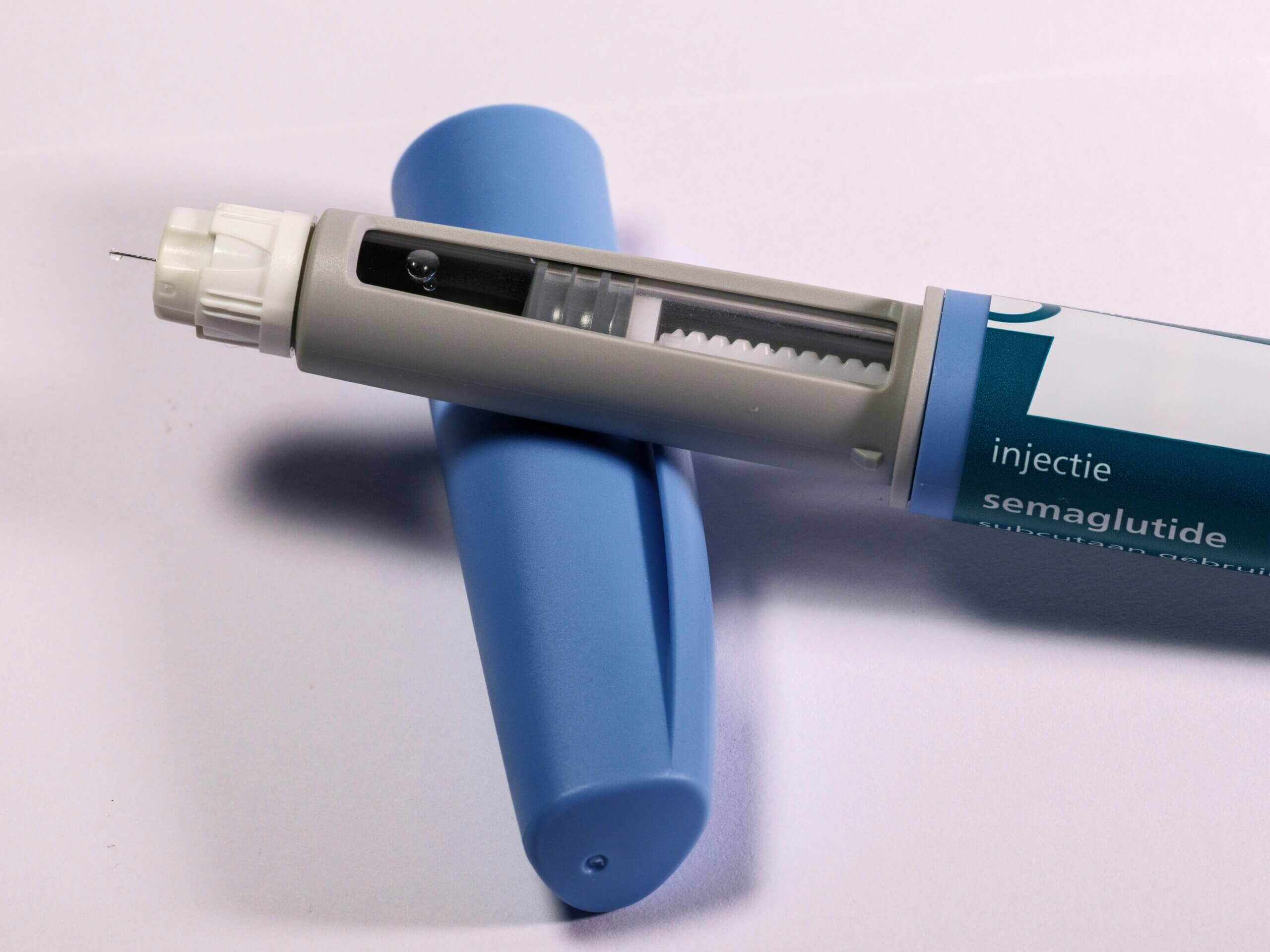
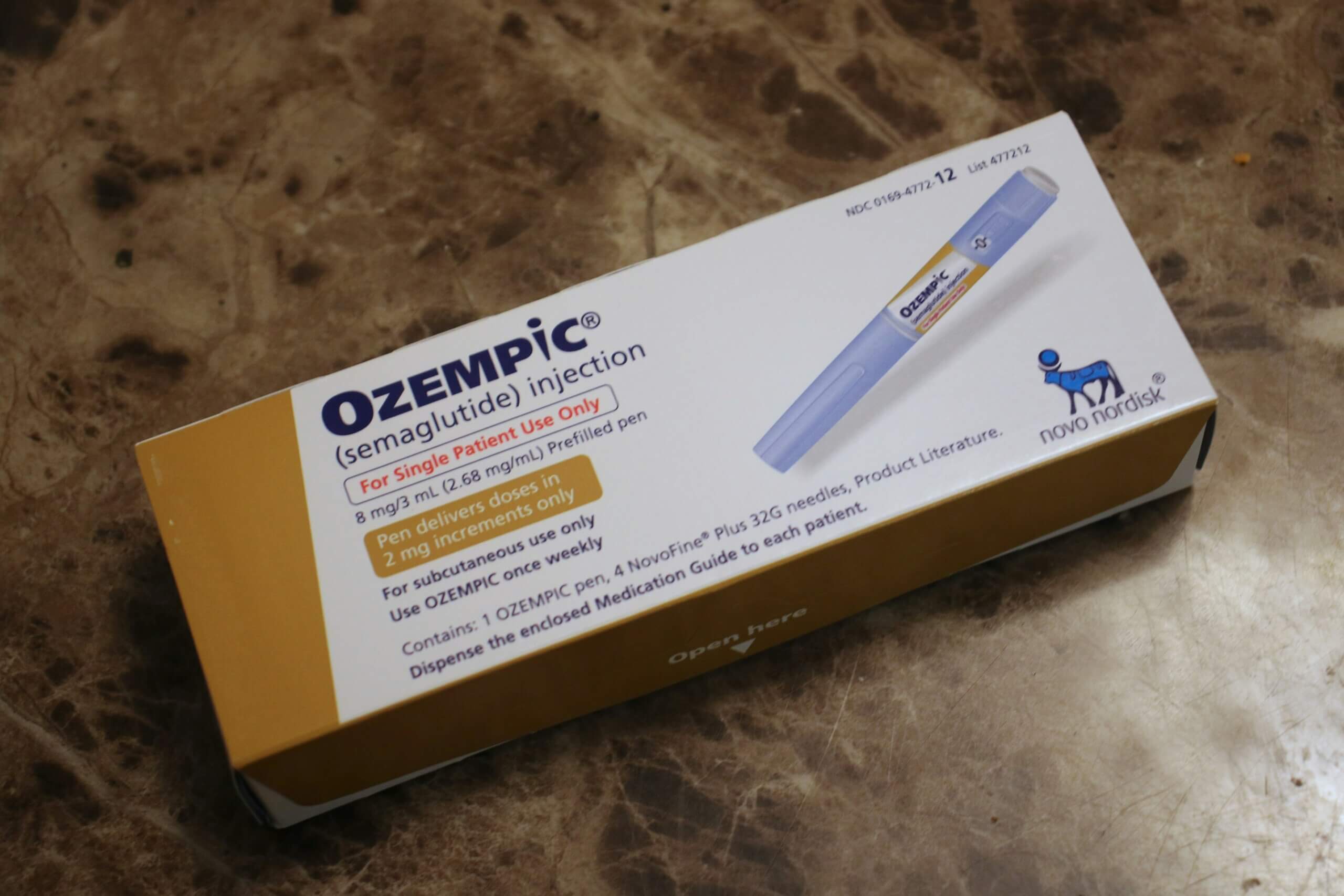
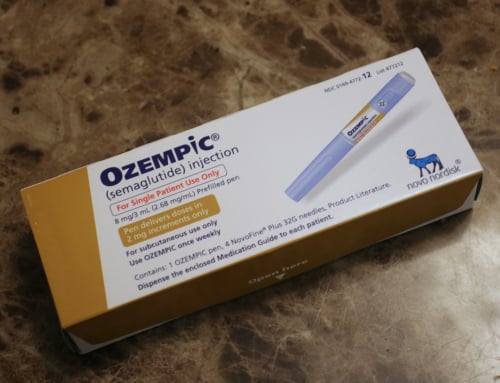
Ozempic is a brand name for a drug called semaglutide, which is a GLP-1 receptor agonist. A GLP-1 receptor agonist is a medication that mimics the function of GLP-1 (glucagon-like peptide-1), which is a naturally occurring gut hormone.
What Does GLP-1 Do?
GLP-1 and diabetes are directly related because GLP-1 plays a crucial role in regulating appetite, digestion, and blood sugar levels.
According to the Cleveland Clinic, GLP-1 receptor agonists like Ozempic can stimulate insulin release, suppress the release of glucagon, slow digestion, and increase how full you feel after eating.
Semaglutide vs. Tirzepatide
Ozempic (semaglutide) isn’t the only GLP-1 receptor agonist. Tirzepatide is another medication that is gaining a lot of attention. They both have similar use cases, but they’re not exactly the same.
- Semaglutide is a single-action medication that only mimics GLP-1.
- The most well-known semaglutide brands are Ozempic and Wegovy.
- Tirzepatide is a dual-action medication that mimics both GLP-1 and GIP (Glucose-dependent Insulinotropic Polypeptide).
- Scientific studies have shown that tirzepatide’s dual GLP-1 and GIP action makes it more potent than semaglutide’s single GLP-1 action.
- The most well-known tirzepatide brands are Mounjaro and Zepbound.
| Ozempic | Wegovy | Mounjaro | Zepbound | |
|---|---|---|---|---|
| Active Ingredient | Semaglutide | Semaglutide | Tirzepatide | Tirzepatide |
| Medication Class | Single Action Receptor Agonist (GLP-1) |
Single Action Receptor Agonist (GLP-1) |
Dual Action Receptor Agonist (GLP-1 and GIP) |
Dual Action Receptor Agonist (GLP-1 and GIP) |
| Approved Use(s) | Type 2 Diabetes/Heart Disease Prevention* |
Heart Disease Prevention**/ Weight Loss |
Type 2 Diabetes | Weight Loss** |
| Prescribed Use(s) | Type 2 Diabetes/Heart Disease Prevention*/Weight Loss |
Heart Disease Prevention**/ Weight Loss |
Type 2 Diabetes/Weight Loss |
Weight Loss** |
| Minimum Age | 18 | 12 | 18 | 18 |
*For adults with known heart disease and type 2 diabetes
**For adults who are obese or overweight and have at least one other weight-related condition
Check this WebMD article for a complete guide to all four medications, and talk to a health care professional for guidance on which is the right fit for you.
Other GLP-1 Drugs Used to Treat Diabetes
Anyone researching Ozempic and diabetes management will quickly discover it isn’t the only option in its class. Several other GLP-1 drugs are FDA-approved to treat type 2 diabetes, each with its own dosing schedule and form:
- Trulicity (dulaglutide): a once-weekly injectable GLP-1 receptor agonist.
- Victoza (liraglutide): a once-daily injectable GLP-1 receptor agonist, also sold in a higher dose for weight loss under the brand name Saxenda.
- Rybelsus (semaglutide): the same active ingredient found in Ozempic, but formulated as a once-daily oral tablet instead of an injection.
- Byetta and Bydureon (exenatide): among the earliest GLP-1 medications approved in the United States, available in twice-daily and once-weekly injectable forms.
Although all of these GLP-1 drugs share the same basic mechanism, they differ in how often they’re taken, how they’re administered, and how strongly they affect appetite and weight. A health care professional can help you compare your options to find the GLP-1 medication that best fits your lifestyle and diabetes management goals.
How GLP-1 Receptor Agonists Can Help With Diabetes
 In this guide, we’re providing a broad overview of how GLP-1 receptor agonists like Ozempic and others may be able to benefit your diabetes management plan. However, it’s very important to consult with a healthcare professional for personalized guidance.
With that important disclosure out of the way, here are the most common diabetes-related benefits associated with Ozempic and potentially other GLP-1 receptor agonists.
1. Increasing Insulin Secretion
Scientific research shows that semaglutide can stimulate insulin secretion from the pancreas, specifically when blood sugar levels are high, such as after eating a snack or meal. Because this action is glucose-dependent, it can help to prevent hypoglycemia.
While you should always have a hypoglycemia action plan in place and glucose products like shots, tablets, and gels on hand, taking prescribed GLP-1 receptor agonists can help to provide peace of mind, knowing the medication is supporting the release of insulin when levels are high.
2. Suppressing Glucagon Release
Glucagon is a hormone that can cause blood sugar levels to spike. Scientific studies have shown that GLP-1 receptor agonists like Ozempic can bind to cells and receptors that produce glucagon and signal them to cease production when insulin levels are high.
In addition to directly suppressing glucagon production, the body naturally releases less glucagon when insulin levels are high. Ozempic’s ability to increase insulin secretion from the pancreas in turn reduces glucagon production, helping to maintain blood sugar homeostasis.
3. Slowing the Rate of Digestion
GLP-1 receptor agonists slow gastric emptying and the motility of the small intestine. In other words, they reduce how quickly the body digests food, which helps to prevent blood sugar spikes.
Additionally, because the body isn’t digesting food and eliminating waste as quickly, you feel more satiated after consuming food. This helps to prevent overeating, which is why these medications are effective for both weight loss and maintaining healthy blood glucose levels.
4. Signaling Satiety Centers in the Brain
In addition to making you feel satisfied after eating by slowing digestion, GLP-1 receptor agonists can also send signals to your brain that reduce cravings. They can influence neurotransmitters and release peptides that are directly related to appetite.
This is another major reason why Ozempic and other GLP-1 receptor agonists can be so effective for weight loss. They target the body and mind simultaneously, helping to reduce a primary cause of weight gain: a strong appetite that leads to overeating.
5. Reducing Glucose Stored and Released by the Liver
GLP-1 receptor agonists can help prevent the liver from producing and releasing excessive amounts of sugar (glucose).
This action is directly linked to increased insulin secretion and suppression of glucagon. The liver doesn’t store and release excessive amounts of glucose when blood glucose levels are in a healthy range.
Furthermore, some scientific studies suggest that GLP-1 receptor agonists also signal the liver to stop producing and releasing glucose independently of insulin and glucagon.
6. Mitigating the Risk of Heart Disease
People who have diabetes have twice the risk of heart disease. GLP-1 receptor agonists can mitigate that risk in a number of ways, including supporting healthier blood pressure and weight loss.
Ozempic Can Affect Insulin and Other Medications
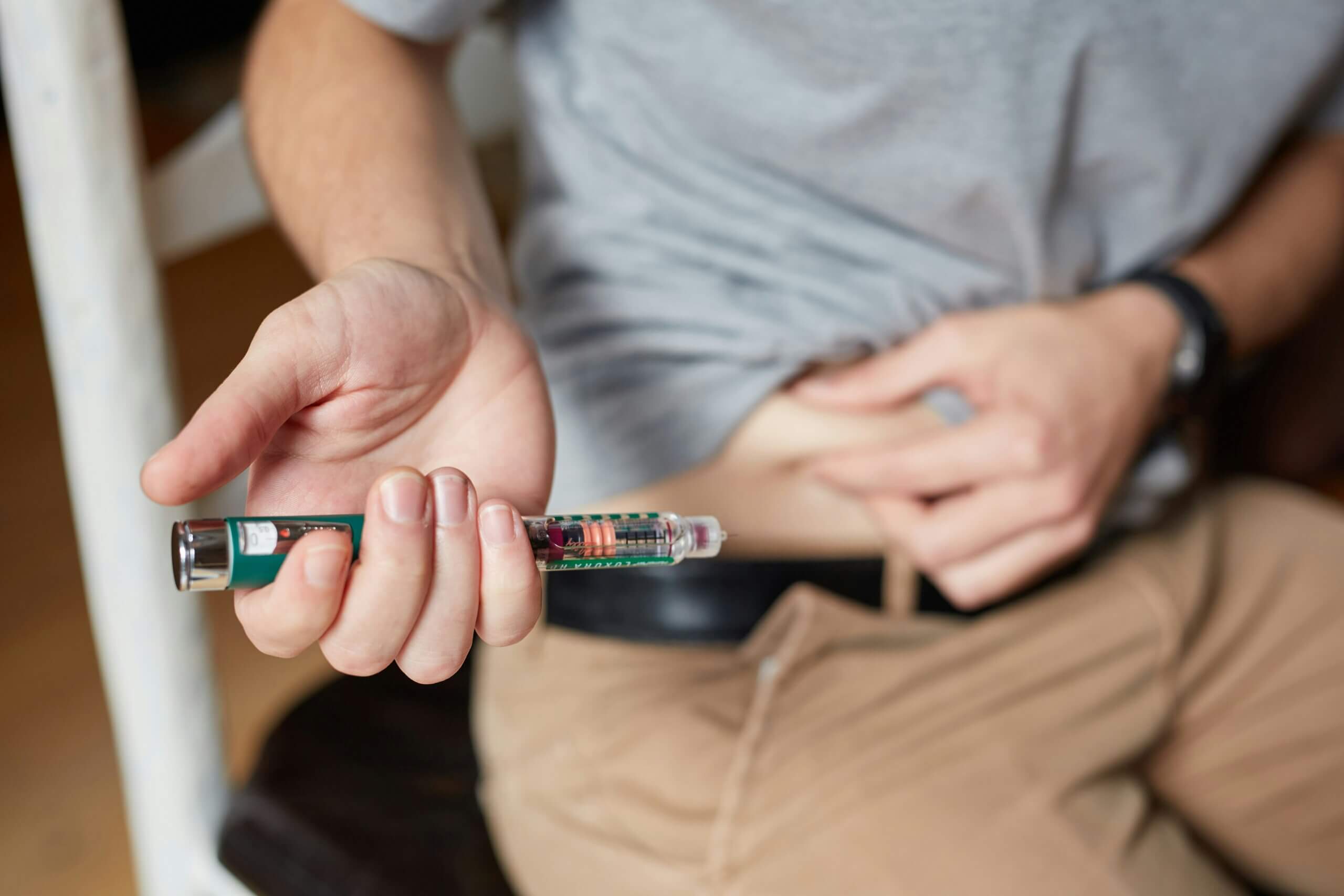 Although taking GLP-1 receptor agonists may be beneficial for people who have diabetes, it’s very important that you only take them if a qualified health care professional recommends and prescribes them.
Furthermore, if you start taking GLP-1 receptor agonists, you may need to change your insulin dose because your body may start producing more insulin. Although some Ozempic users have been able to reduce or discontinue their insulin intake, results vary widely.
Common Side Effects of Ozempic
Like any medication, Ozempic and other GLP-1 receptor agonists can cause side effects. Because these drugs work largely by slowing digestion, gastrointestinal symptoms are the most commonly reported:
- Nausea, which tends to be strongest after the first dose or a dose increase and typically eases over time
- Vomiting or diarrhea
- Constipation
- Stomach pain or indigestion
- Decreased appetite
Most of these side effects are mild to moderate and improve as your body adjusts, which is why health care professionals typically start patients on a low dose of Ozempic and increase it gradually.
Less commonly, GLP-1 medications carry warnings for more serious risks, including pancreatitis, gallbladder problems, and possible thyroid tumors. People with a personal or family history of medullary thyroid carcinoma are generally advised not to take Ozempic. If you experience severe abdominal pain, signs of an allergic reaction, or any side effect that doesn’t improve, contact your health care professional promptly.
Frequently Asked Questions
How Does Ozempic Work for Diabetes?
Ozempic works for diabetes by mimicking GLP-1, a natural gut hormone. It prompts the pancreas to release insulin when blood sugar is high, suppresses glucagon, and slows digestion — actions that work together to lower blood sugar while reducing the risk of hypoglycemia.
How Does Ozempic Help Diabetes Over the Long Term?
Beyond day-to-day blood sugar control, Ozempic helps diabetes management by reducing the risk of major cardiovascular events, such as heart attack and stroke, in adults with type 2 diabetes and known heart disease. That’s a meaningful benefit, since diabetes roughly doubles a person’s risk of heart disease.
How Does Ozempic Work for Type 2 Diabetes Specifically?
Because its insulin-boosting effect is glucose-dependent, Ozempic works for type 2 diabetes by only ramping up insulin production when blood sugar is already elevated. This glucose-dependent action is part of why it carries a lower risk of causing dangerously low blood sugar compared with some older diabetes medications.
What Does Ozempic Do for Diabetics Who Are Also Managing Their Weight?
For diabetics who are also working on weight management, Ozempic does for diabetics what it does for blood sugar: it slows digestion and signals satiety centers in the brain, often leading to reduced appetite and gradual weight loss. That weight loss can, in turn, make blood sugar easier to control.
Consult With a Health Care Professional
 GLP-1 receptor agonists aren’t a cure for diabetes. Although they may be able to prevent blood sugar spikes and reduce the risk of hypoglycemia, monitoring your levels with diabetes testing kits and using insulin supplies to take your medication may still be required.
GLP-1 receptor agonists can be a powerful tool for diabetes management, but only under close medical supervision. Talk to a health care professional for personalized guidance.
Save on High-Quality Diabetes Supplies
Here at ADW Diabetes, we talk to a lot of people who have diabetes. Some of them have had success with GLP-1 receptor agonists like Ozempic, but many of them still turn to us for their usual diabetic supplies.
If you need to update your diabetes management plan to align with a new Ozempic prescription, or if you’re simply looking for the best deals on familiar favorites, you’re in the right place for discount diabetic supplies from reputable medical supply brands.
Whether you’re searching for the least expensive glucose test strips on the market or shopping for a state-of-the-art insulin pump for sale, you can count on ADW Diabetes for affordable prices, superior customer service, and speedy deliveries.
Add your must-have supplies to our Diabetic Coverage® Auto-Ship Program for convenient scheduled deliveries. Download the ADW Diabetes App for easy, secure mobile shopping anywhere!











Leave A Comment