
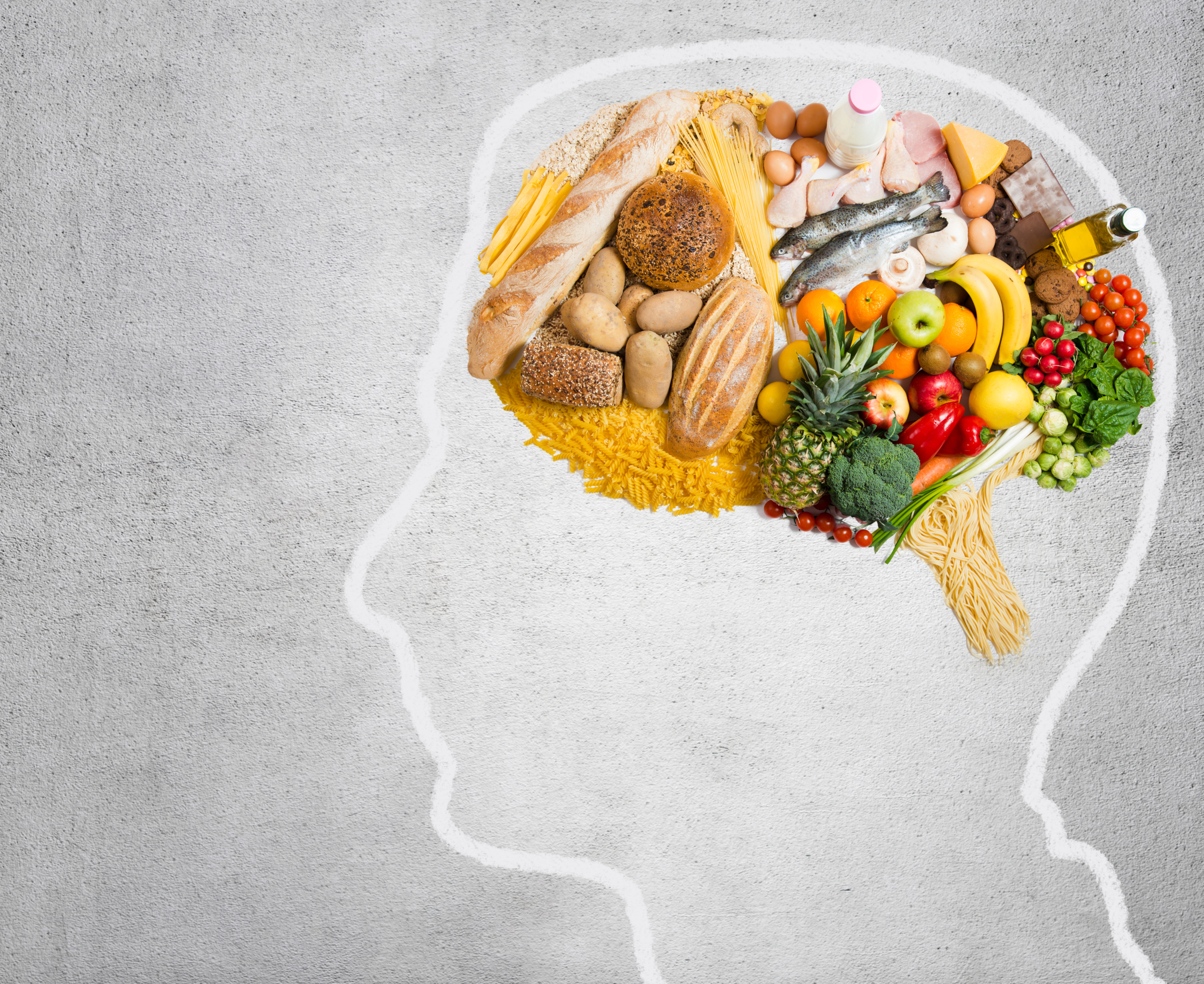
March is National Nutrition month, a perfect time to review and update information about your diabetes eating plan. A good eating program remains one of the pillars of proper diabetes care and management. “A balanced combination at each meal of lean proteins, high fiber carbohydrates and healthy fats can help you maintain stable blood sugars and prevent dangerous blood sugar spikes.”
During National Nutrition month, focus on your own nutritional needs and “commit to trying a new fruit or vegetable each week.” Eat the colors of the rainbow. Branch out from apples and bananas. Include kiwi, starfruit, red bananas, snake fruit, purple sweet potatoes, watermelon radishes or white asparagus.
These unusual kinds of produce will open you up to a whole new world of delicious flavors and textures, as well as adding important nutrients and vitamins to your meals.
Let’s look at some useful nutritional tips to help you focus on an improved eating plan for your diabetes during nutrition month.
1. Why is meal planning and meal preparation helpful when you have diabetes?
- Planning what to eat ahead of time makes decision making and meal preparation much easier and healthier for you in the long run. A constructed, well thought out eating plan “will definitely help with your blood sugar control.” It can also prevent cellular damage, stabilize your weight, prevent cravings and over-eating. It will lower your risk of developing other chronic diseases.
- There is “no one specific, ideal or magic diabetes meal plan.”
- Do not go hungry. Never skip a meal. Even when your blood sugar is elevated, you need to eat but do make wise choices. Starving yourself, followed by bingeing is dangerous for you and your diabetes.
- Stay hydrated with plain or sparkling water. Thirst is the last indicator of requiring fluids, so sip water throughout the day. Calorie-free beverage options are always the best. Get your calories from “foods not fluids.”
- Foods with fiber are especially important when you have diabetes. Eat about 8-10 grams of fiber per meal or about a total of 30 grams per day. If you don’t usually consume much fiber, introduce it into your eating plan slowly otherwise you will experience stomach aches and gas. Add adequate calorie-free drinks as you increase fiber into your diet as this will help prevent constipation.
2. Why is eating fiber important when you have diabetes?
Fiber is found in plant-based foods, and it is considered a carbohydrate. There are 2 types of fiber, and both offer different benefits.
Insoluble Fiber: does not dissolve and supports bowel regularity
Soluble Fiber: is gummy, sticky and decreases cholesterol absorption
Fiber Benefits:
- Fiber helps to promote healthy weight.
- Fiber helps to manage blood sugar elevations.
- Fiber manages cholesterol levels.
- Fiber lowers the risk of cardiovascular disease which is especially important when you have diabetes.
- Fiber lowers your risk of constipation and diverticulosis (bulging pouches in your colon).
- The more processed the food is, the lower the fiber content.
- The more “whole” the food, the more available fiber.
- Consume more calorie-free fluids when eating a high fiber diet.
- Foods to include. Lentils help keep blood sugar stable and offer protein too. Beans are resistant to digestion and contain protein. Fresh air-popped popcorn only. Avoid theater and microwave popcorn because they are loaded in salt, fat, empty added calories and preservatives. Add dried herbs and a dash of EVOO (extra virgin olive oil) for more flavor. Eat fresh or frozen green peas, oatmeal or barley as well as broccoli and berries. Remember fiber is a carbohydrate and must be counted in your food plan when you take insulin.
Some other thoughts:
- Cook at home instead of eating out. There is usually an excessive amount of salt, fat and sugar added to restaurant food which makes it more appealing and addictive.
- Keep nutritious and whole foods, especially fruits and vegetables, available in your home always.
- Use “in season and local produce” when possible, for the best prices and greatest taste.
- If you are shopping and serving meals to a large family, do comparison shop at warehouses and big box stores as well as local food/farm stands or Farmer’s markets. Get the best prices based on the quality and quantity you are purchasing.
- Think about building the “whole meal” before actual preparation begins.
- Use the “plate method.” This includes a lean protein on ¼ of the plate, a whole grain or starch vegetable on ¼ of the plate and a green, yellow, orange, red or free non-starchy vegetables on ½ the plate. This builds an excellent combination of foods for a wholesome and complete meal. Lean protein is built from amino acids which are building blocks and “repair your muscle tissue.” Protein helps you avoid hunger by staying full longer. Protein keeps your muscle mass protected.
- Small to moderate servings of food should be eaten at each meal. Always “avoid feeling stuffed or even full.” Eating proper food portion sizes is critical for meal planning with diabetes.
- Wash, clean and cut food before the final meal preparation. Have it ready in separate containers stored in the fridge. Even pre-cook foods when suitable and time allows. An example would be to roast a chicken the day before, slice up the cooked chicken and refrigerate prior to using it in several casserole dishes.
- Grow your own herbs in a kitchen window garden or outdoor garden. Get a spice rack and add dried herbs to your food to enhance flavors without adding calories. Avoid spice blends that include salt. Dried herbs require smaller amounts “to flavor food” compared to fresh herbs.
- Meal preparation should not take more than 30 minutes. This helps you see an endpoint. It may or may not include actual cooking time.
- Consider making enough for 3-4 meals at a time. You can store the food in airtight glass containers in the refrigerator for up to 3 days. You can also freeze the extra meals into individual serving size containers to be used later.
How long can cooked meals remain safe in the freezer?
It is essential, for health reasons, to know how long cooked food can remain frozen. It depends on the ingredients and food preparation methods.
A good “rule of thumb” is:
- Cooked beef, pork and lamb: 2-3 months
- Cooked chicken or turkey: 4-6 months
- Cooked fish: 2-3 months
- Pasta dishes: 1-2 months
- Soups, stews and casseroles: 2-3 months
- Veggies, rice and grain dishes: 2-8 months
Remember that freezing puts “bacteria in a dormant state” but when food is thawed, the dormant bacteria become active again. Using proper airtight containers and knowing accurate time that the food is stored is critical for safety of frozen meals. Always date meals with a permanent marker so there is no confusion.
Be Mindful, Stay Mindful
When sitting down to eat any meal, be mindful. What does that really mean? Focus only on your food. Enjoy the flavor, texture and aroma of your meal. Make it feel special like a celebration. Set the table. Do not sit in front of any screens, your computer or smartphone.
Make eating a pleasurable experience. Stay in the moment. Research shows “being in front of any screen increases consumption of food.” You can use a screen or talk on the phone during meal preparation or meal clean-up.
3. Other Factors
- Meals should be eaten consistently every 4-5 hours to help prevent large blood sugar swings.
- Choose simple recipes with common ingredients. This will also help prevent food waste.
- Let everyone in your home lend a hand during food preparation when possible. Teach and explain to them why you are making certain and specific food choices. Show them what portion sizes look like for you. Do not let guilt or shame from family members or friends become part of the kitchen culture at mealtimes. Help them help you. Always discuss food issues and plan ahead.
- When possible, pick a specific day to do your food shopping and always carry a grocery list either on paper or on your phone. Impulsive shopping is expensive, disruptive and dangerous. It makes it difficult to stay on course.
- If shopping becomes too strenuous for you, consider grocery delivery services, which have grown in popularity since COVID. It does increase the total price, but it may be worth it depending on your personal situation. You can be very specific about the items on your list. This can also help you with your time management.
- Eat something healthy before you leave the house to ward off hunger while you are grocery shopping. Multiple studies have shown “that food shopping without an actual plan” can lead to random purchases, poor food selection and more snacking while still in the store.”
- When snacking is needed, be prepared with healthy snacks that are ready to go. Examples would be hummus spread, homemade guacamole, tahini spread, roasted chickpeas, black bean salad, Edamame, chia seed pudding, string cheese, no bake energy bites, cut up raw or steamed vegetables, fresh fruit slices, whole grain crackers, low-fat hard cheese slices, hard boiled eggs, trail mix with unsalted nuts and dried fruit, nut butters or unsalted plain nuts.
- Pack nutritious treats when traveling to avoid “impulse snacking” on the road. Avoid the gas station which is full of sugary and salty snacks. Have a small cooler with freezer packs always ready to go.
4. What about diabetes and added sugars?
“Eating a lot of sugar causes your body to age seven times faster.” Sugar is the “icing on the cake” that makes you instantly older than your stated age. The more sugar you eat, the quicker aging will occur. According to The Dept. Of Health and Human Services, “No more than 10% of calories should come from added sugar.”
The American Heart Association recommends an even smaller number. Think about foods having at least “3 grams of fiber per serving and no more than 7 grams or less of added sugar.” Do not forget that added sugar accumulates very quickly.
There are some obvious sources of foods with added sugars as well as sneaky hidden sources of added sugars.
- Remember there “are naturally occurring sugars” in fruits, vegetables, whole grains and dairy. These foods are essential to a healthy diet especially when you have diabetes. Do not avoid them.
- Added sugars are “compounds that humans put into foods.” Added sugars cause “insulin resistance.” Examples include adding table sugar to plain coffee or tea. Black coffee and tea offer many antioxidants with no added calories. An espresso or low-fat Cappuccino would be a better choice. Specialty coffee and tea drinks are now made with tons of added sugars. These sugars include flavored syrup, added creams, sweetened milks, brown sugar, granulated sugar, molasses, maple syrup and whipped creams. Added sugars automatically add calories. Some specialty coffee drinks have over 25 grams of added sugar while larger sizes of specialty coffee drinks can have up to 70 grams of added sugar. Instead, think about adding spices to black coffee such as cinnamon, nutmeg, cloves, ginger or turmeric. These will create a yummy flavor without sugar and may also aid in digestion and reduce systemic inflammation.
- Processed foods have added sugars to increase taste, satisfy cravings and prolong shelf life. These are not “whole foods.” Processed foods with added sugars accelerate aging and lead to NASH or fatty liver disease, liver scarring and central fat accumulation.
- Added sugars usually appear as corn syrup, molasses, honey or fructose.
- “Fructose” is the most common added sugar and may be more harmful than other added sugars since it is primarily metabolized by the liver and converted to fat. Fat accumulation leads to weight gain, insulin resistance, causes cognitive decline, kidney disease, gum disease and tooth loss, aging skin and loss of collagen. Weight gain also leads to higher cholesterol, higher blood sugars, elevated blood pressure and heart disease.
5. What to watch out for with added sugars
No one is perfect and you may slip from time to time by eating and drinking these foods and beverages. Try to make a concentrated effort to avoid them when possible.
- Avoid flavored yogurts completely. Many people think any yogurt is “healthy.” These come in custard form, with added sweetened syrupy fruits along with candy additions like chocolate chips or peppermint sticks. Instead, buy 2% fat Greek plain yogurt and add fresh berries, wheat germ, a dash of vanilla extract, cinnamon and unsalted nuts. This will provide protein, good fats, fiber, probiotics and a low sugar content.
- Avoid plant-based milks that are “flavored and sweetened.”
- Avoid processed meat sandwiches.
- Avoid sports drinks, energy drinks, fruit drinks, even fruit juice with any added sugars.
- Avoid cookies, pastries, donuts, candy, pies, and ice cream which are the “obvious foods filled with added sugar.
- Avoid pre-made granola, instant flavored oatmeal, most cold breakfast cereals with added sugar, cereal bars, boxed and bagged snacks, most protein bars, chips, prepared BBQ sauces, condiments, canned soups, prepared spaghetti sauces, bottled salad dressings and certain frozen packaged meals.
6. Useful Appliances and Kitchen Supplies
Remove the clutter in your kitchen and eliminate the excess. Stick to the basic kitchen essentials to simplify your food planning and preparation journey.
Which do you prefer? Which do you use?
- You can choose to cook in a regular oven, toaster oven, microwave, regular toaster, air fryer, crock-pot, cast iron Dutch oven, cast iron frying pan, stainless steel pots and pans or ceramic pots and pans. Each of these can be a healthy option for preparing your meals.
- These appliances give you the option of baking, broiling, boiling, steaming or roasting, all excellent ways to prepare your meals. Skip frying.
- Other possible tools to have in the kitchen include a steamer, salad spinner, stick blender, regular blender, food processor and a pressure cooker.
- Supplies to assist in your cooking experience are a cutting board, can opener, skewers (either bamboo or metal), whisk, tongs, colander, measuring cups and spoons, grater, potholders, silicone oven mitt, glass airtight portion containers for freezer and refrigerator, instant read thermometer, pepper grinder, spice rack filled with an assortment of dried spices.
- Stainless steel mixing bowls, glass mixing bowls, sharp kitchen knives, kitchen shears and a stainless-steel utensil set.
- Reusable bags, plastic bags in different sizes, Tupperware, aluminum wrap, plastic wrap, parchment paper, wax paper.
Suggestions of “foods to have on hand” in your pantry or freezer for easy and quick meal planning and food prep
The trick to bettering blood sugar is your own kitchen. Keep a well-stocked, organized pantry and put food expiration date stickers on your items.
Included should be:
- Canned seafoods like tuna, salmon, sardines, baby shrimp, and anchovies.
- Bags of brown rice, wild rice, Basmati rice and quinoa. Buy the long cooking kinds of rice instant of instant and then cool before reheating and eating. This will reduce the resistance starch and help prevent a rise in blood sugars.
- Cans of black beans, lentils, red beans, cannellini beans and garbanzo beans.
- Olives and chopped artichoke hearts.
- Canned or boxed tomatoes.
- Frozen vegetables in “no added sauce”.
- Frozen fruits in “no added syrup”.
- Unsalted or low sodium chicken and beef broth.
- Whole grain, lentil or chickpea pasta.
- Frozen edamame.
- Unsalted nuts.
- Unsalted seeds.
- Rolled oats.
- Frozen whole grain bread.
- Frozen sour dough bread.
- Hard boiled eggs.
- Low fat cheese slices, rounds or squares.
- Almond flour.
- Wheat germ.
- Unsalted seeds like pumpkin, sunflower, Chia, hemp.
- Canned fruits and veggies. No added salt or syrup used.
7. Meal delivery may be an option
Some of these nutrition suggestions will make it easier for you to manage your diabetes from day to day. Some of you may need added assistance in ordering through a delivery meal plan service.
“Eating well for diabetes” remains one of the main hallmarks for diabetes control, along with taking your diabetes medications on time, having an exercise plan, having a high quality of consistent sleep, stress reduction and keeping your MD follow-up visits.
If it is difficult to constantly manage food shopping, selection and preparation on your own, consider a direct meal service. You can research having a local “meal delivery plan” that may be easier for you, is reasonably priced and still offers delicious meal selections.
There are multiple nationwide companies that produce “cardiac and diabetes friendly meals.”
The top ones are:
- Factor. “Diabetic friendly heat and serve meals.” Low in carbs and rotates weekly options.
- Home Chef. Weekly selection of low carb and diabetic friendly meals.
- Hello Fresh. Easy to cook meals with good variety for those with diabetes. Low carb options available.
- Bistro MD. Specific meals for weight control and chronic diseases. Offers customized meals.
8. Health promoting public policies
Hopefully, more food companies will get on board and offer improved nutritional choices such as better low-sodium selections, less artificial sweeteners, less added sugars and less food processing.
9. Healthy Fats play a positive role in your diabetes
Everyone, even those with diabetes, needs a certain amount of healthy fats for your body to function properly. Fat is digested slowly and minimally impacts blood sugars when eaten in the right portion size. Healthy fats slow digestion and absorption of carbohydrates.
They help keep blood sugar stable and prevent vast fluctuations. Healthy fats reduce the risk of heart disease, lower inflammation and support gut health. Healthy fats include both monounsaturated and polyunsaturated.
- Healthy fats are found in unsalted nuts, nut butters without added ingredients and seeds like Chia, sunflower, flax, hemp and pumpkin. Fatty fish which supply Omega-3 fatty acids such as salmon, bluefin tuna or mackerel should be part of your meal plan 1-2 times per week.
- Crushed, unsalted nuts can be used as an alternative to breadcrumbs to coat fish or chicken. Then bake or pan fry. Do not deep-fry.
- Bake with nut flours such as almond, instead of using grain flour.
- Although considered a carbohydrate and not a fat, panko breadcrumbs may offer more benefits than regular breadcrumbs when you have diabetes. They are made from white bread without crusts. Panko crumbs are lower in calories, fat and sodium, and are light and crispier than regular breadcrumbs. Obviously, watch portion size usage while baking food instead of deep frying. Try to find the whole wheat panko breadcrumbs for added fiber. You can even add oats to the panko breadcrumbs for more fiber.
- Eat avocadoes and olives.
- Use EVOO (extra virgin olive oil), avocado, safflower, sesame, canola or grapeseed oil for cooking or in salad dressings.
10. Watch out for Saturated fats and Trans-fats
This would include the fat in meat, cream, butter, bacon, sausage and ice cream. These saturated fats are more likely to clog your arteries and “increase heart disease by 2-4 times.”
Avoid fried foods (trans fats) “which interferes with insulin signaling and prevents glucose from entering the cells causing high blood sugars. Frying foods also creates AGEs (advanced glycation end products) which raise insulin resistance and systemic inflammation.
Balanced nutrition supports a healthy metabolism, which converts food into fuel efficiently. Good nutrition reduces the risk of developing chronic diseases including type 2 diabetes and heart disease. A well-organized, nutritious and simple whole food eating plan will encourage many health-related benefits and possible weight loss.
When you have a well-planned eating program, “you are less likely to skip meals or overeat late at night.” You will reduce the risk of diabetes complications and feel better! Look into diabetes management education classes which can help you learn even more nutritional tips to manage your diabetes!
References:
- https://hopkinsdiabetesinfo.org/meal-planning-101/
- https://www.health.com/choices-to-make-to-shape-health-in-70s-80s-11899033
- https://www.deliveryrank.com/best-meal-delivery-services-for-a-diabetic-diet?
- https://www.health.com/nutrition/longevity-diet
- https://www.mayoclinic.org/diseases-conditions/diabetes/in-depth/diabetes-diet/art-20044295
- https://www.cdc.gov/diabetes/healthy-eating/diabetes-meal-planning.html
- https://www.eatright.org
- https://www.webmd.com/diabetes/tips-eat-well
- https://www.everydayhealth.com/hs/type-2-diabetes-live-better-guide/fiber-rich-foods-pictures/
- https://www.eatright.org/health/essential-nutrients/carbohydrates/easy-ways-to-boost-fiber-in-your-daily-diet
- https://www.eatingwell.com/top-sources-of-added-sugar-11876580
- https://www.ncoa.org/article/why-its-important-to-eat-healthy-when-you-have-diabetes/
- https://completegardening.com/20-unbelievable-fruits-and-vegetables-you-didnt-know-existed/
- https://cookingupdate.com/how-long-can-i-keep-cooked-food-in-the-freezer/
- https://www.healthline.com/nutrition/best-snacks-for-diabetes
- https://canadahealthjournal.ca/specialty-coffee-drinks-and-sugar/
- https://diabetesmagic.com/can-diabetics-eat-panko-bread-crumbs/












Leave A Comment