
Over 20 billion dollars was invested in longevity research in 2022. Longevity means, “How long you actually live past the average age.” Aging is a universal and natural process that causes cell damage over time. It is associated with increased development of “age-related diseases” but still is not considered a disease.
Luckily, more scientists are becoming involved in solid research which will help you increase your lifespan along with an enhanced quality of life. They are sharing specific facts and making the “aging well” information widely available. Living longer is not the only answer.
Living more years in good health not poor health is the answer. “It is more about the quality of your life, improving your daily existence, feeling well, living happily and healthfully, than just extending your actual life span.” You want to live ‘well’ longer, not just live longer.
Aging is normal. In the present time, aging is becoming more treatable, just like diabetes.
What is natural aging?
Aging trends are natural but not everyone experiences them in the same way. Most of us eventually experience:
- Cellular, tissue and organ changes.
- Cells are less able to divide.
- DNA is damaged.
- Waste accumulates in cells.
- Tissues become stiff.
- Muscles, bones and skin decline.
- Hormonal changes occur as less hormones are available.
- Vision and hearing decrease.
- Balance changes.
- Major organ function declines.
- There is an increased risk of depression and anxiety.
- You have slower reaction times.
What can you do to optimize the aging process
Get your diabetes, high blood pressure and high cholesterol under control. Chronic diseases do not have to be a natural part of aging. If you do develop them, work with your physician to get them controlled for healthier aging.
Food Choices
It is no surprise that what you eat and how much you eat will influence your diabetes control as well as your ability to live well longer. There is no one perfect food designed for aging well. There are many delicious foods you should include. One of the best fruits to eat, even with diabetes, is cantaloupe.
It has a high level of fiber and a medium glycemic index. Because of all these benefits, it is a fruit worth eating. It has 90% water content, which makes it super hydrating. Eaten in a half a cup portion size, it should not raise blood sugars even though it is fruit and a carbohydrate.
The orange pigment is full of antioxidants such as beta carotene, which your body converts to vitamin A. It also contains vitamin C, which supports your immune system. Cantaloupe has electrolytes which assist your heart to function normally.
Avocados rank high on the list too! They are full of monounsaturated fats, fiber, polyphenols, Omega 3s, vitamins B, C, E and K. Avocados are excellent for the brain, eye and heart health, as well as not elevating your blood sugar. Cooking with extra virgin olive oil (EVOO), or using it as a salad dressing, ranks high in benefits for living a healthy, long life.
It contains oleic acid for skin and brain health, antioxidants, phytosterols and assorted vitamins. It is a main component of the Mediterranean Diet, which is a food plan often suggested for healthy aging and diabetes control. The MIND Diet and the DASH Diet are often recommended. See which plan is best for your needs.
Brussel sprouts, either roasted or pan fried in olive oil and garlic, contain folate, vitamins A, C and K, and are diabetes friendly and healthful. They are full of quercetin and kaempferol, which are high powered antioxidants.
Blueberries support healthy aging since they contain anthocyanins for brain and overall health as well as aiding in collagen production, which we tend to lose as we age. Eating different berries tends to affect our health in a positive way. Nuts, including cashew and Brazil nuts have copper, magnesium, selenium, Omega 3s and Omega 6s.
Add lots of various types of seeds and beans to your soups, stews and salads. Eat ample fiber from fruits, vegetables, beans and whole grains. Drink plenty of plain water. Avoid refined carbs, added sugars including flavored yogurts, sweetened cereals, chips, snacks, soda or energy drinks and processed or ultra-processed foods.
Remember as you age, your sense of taste and smell is reduced and “the human sense of enjoying food disappears.” This is due to fewer taste buds as well as taking certain medications. It may be caused by drinking alcohol and smoking cigarettes. To keep food appealing, flavor foods with whole or ground spices and fresh or dried herbs. Avoid adding sugar and salt to your cooked dishes.
Exercise
Make sure you are medically evaluated before starting any exercise routine. You already know that exercising, both aerobics as well as resistance training, is very important for your diabetes control. It is also crucial for positive and healthful aging.
A more recent concept is “you must take rest periods and avoid too much high intensity exercise, especially as you age.” Cortisol is produced when you overtrain and that can lead to high blood sugars and aging faster. Walk, swim, dance and bike daily for 30 minutes, and up to 150 minutes per week. You can also break up each session into smaller time frames. Add weight training, using light weights for several sets, 2-3 times a week.
Life-long Weight Control
Weight gain, especially as you age, influences life span in a negative manner by causing systemic inflammation, heart disease, insulin resistance, type 2 diabetes, stroke risk and cancer. Adding more adipose tissue, or fat, causes loss of lean muscle mass, lower energy levels and accelerates your aging.
Do not look at the scale alone to track your progress. Try to stay near the weight you were in your 20s. Check for visceral belly fat which is the most dangerous kind of fat. Gaining, losing and regaining weight is a health risk. Do what you can to avoid gaining too much weight as you age.
Cold Plunge Pools Followed by a Hot Sauna
These often talked about tools are “a viable trend in the quest for longevity”. Many fitness facilities are including these services in their packages. Always check with your health care provider prior to trying anything new with temperature extremes. Make sure your heart can tolerate it and that you do not have any underlying conditions worsened by extreme temperatures.
If eligible, you can simply create this concept at home. Use your shower to mimic the cold water or hot steam effects. Stand directly under the shower, running the coldest water possible for 3-5 minutes. Move to the side of the shower and out of the water flow. Then, switch the water temperature to scalding hot water to enjoy a steam sauna for 3-5 minutes. Be careful that you do not get burned. If you have a bathtub, you can substitute it for a cold shower plunge by adding ice cubes to the bathtub.
Spend Time in Nature
Being in an outdoor, peaceful environment with fresh air promotes your immune system, your mood and your cognitive function. Take walks outdoors, go to parks, sit on a park bench, head to the beach, take up birdwatching, pick berries or apples, join a hiking club, boating group, or fishing group, or take up gardening.
Mental Health Techniques
Physical health can’t succeed without complementary mental healthcare. You must manage stress and achieve “peace of mind”. Utilize coping skills such as deep breathing, meditation, volunteering, take a new class, learn a new hobby, have some daily fun, join clubs, and continue to frequently socialize.
Daily social interaction is very important for positive mental health. Avoid loneliness, which is not the same as being alone.
Verbal Fluency
Verbal fluency reflects your overall brain function. It is the “ability to readily generate words or ideas and express them verbally.” You can easily retrieve words from your own vocabulary. It concerns your memory, word retrieval and processing speed.
Practice word games, read, have conversations and don’t resort to calling objects just “things.” Work on remembering and capturing the actual word. Use practice and intention.
“Safe Time in the Sun”
Sunshine is needed for your body to really thrive. Understand, it is best to go outside in the early morning and late afternoon during the summer heat, especially when you are in the direct sun. Soak in the sun exposure for 10-15 minutes. Sunlight promotes vitamin D which is important for bone health and your mood.
Talk to your health care provider about adding a calcium supplement as well. Avoid getting sunburned and wear sunglasses. After your direct sun exposure, apply sunscreen with at least SPF-30 and wear a hat.
Sense of Purpose
Never stop your personal growth and find what intrigues and interests you. A sense of purpose is important for longevity. Give and show gratitude.
Medical Wearables/Health Apps
These are not the same as medical devices, nor do they replace your physician. “The wearable device industry will reach over 37 billion dollars by 2028.” These devices may give you important information which could lead to healthier aging.
Wearables lead to better personal decision making and the changing of behaviors because they collect and store relevant medical data.” What started as a “step tracker” or a counter of how many steps you have walked, has now evolved into pulse oximetry, heart rate, respirations, sleep metrics, skin temperature, blood sugar readings, heart rhythms, blood pressure readings, and body composition.
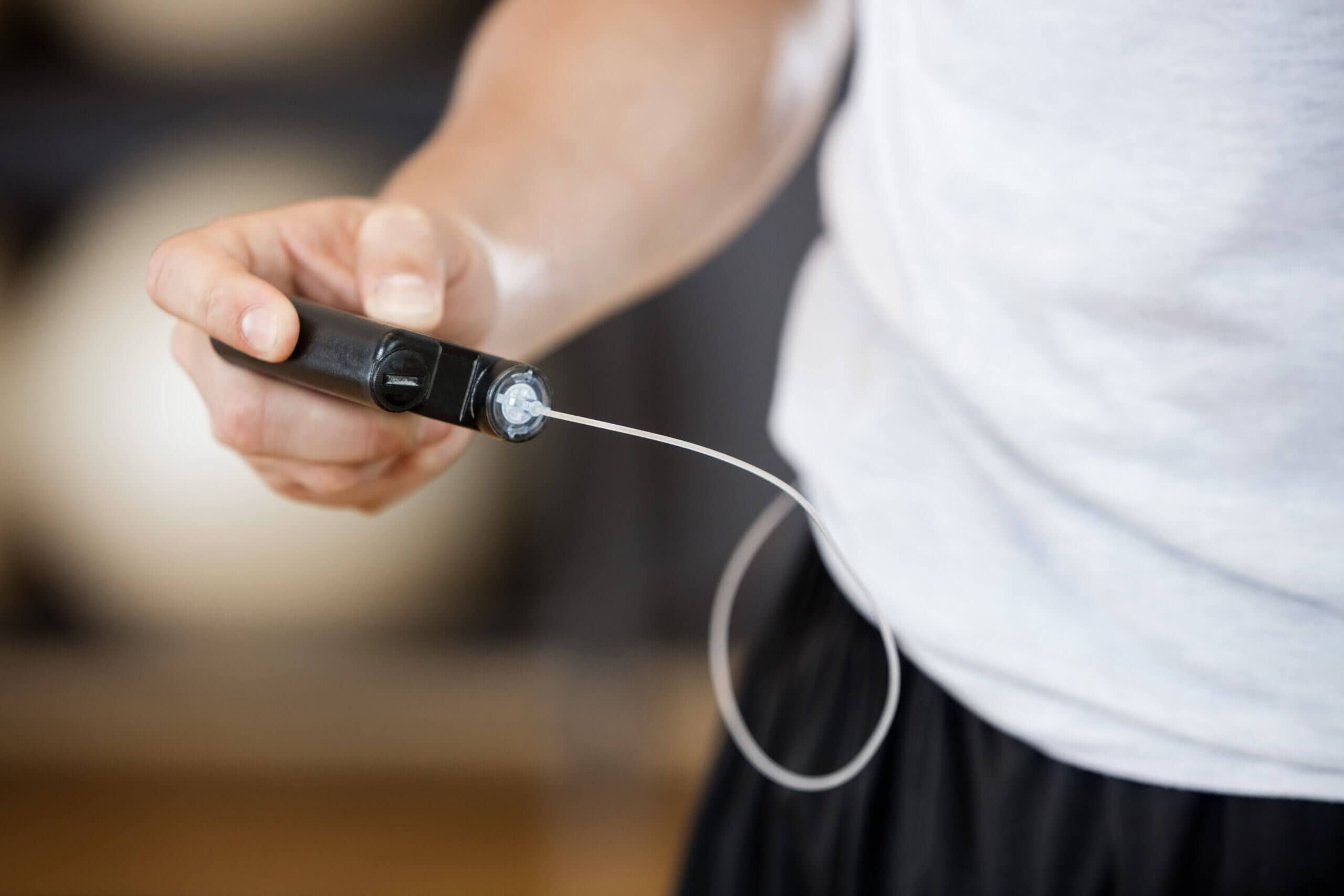
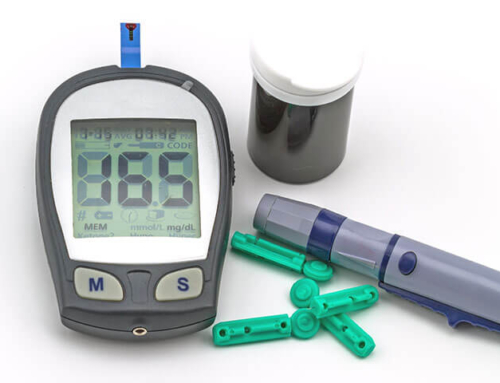
Medical wearables can give you important information you are usually unaware of. You may gain insight into how your body really is working and how your lifestyle affects your health. This offers many people incentives to make changes. There are CGM (Continuous glucose monitors) available not just for diabetes.
There are BP monitors, biosensors and EKG readers available. Find one that is easy to operate and offers information which you can use. Be sure to share your results with your physician. There are multiple health APPS you can use for free to be proactive with your health.
Home Testing Kits
There are urine testing kits, blood testing kits, stool testing kits, vitamin level kits and genetic kits. Talk to your health care provider to see if any of these kits would be beneficial for you.
There are blood tests to check insulin levels “which may be high at least 13 years before developing diabetes.” Knowing this information may help you avoid diabetes later in life. Keep the data so you can track trends over the years.
Do Not Smoke and Do Not Drink Alcohol or At Least Drink Less
Results show “no improvements in longevity at any level of drinking.” Your body is more sensitive to alcohol as you age. Alcohol may cause hypertension, high blood sugar, and weight gain, all of which are negative factors for aging well. Alcohol is bad for bone health and may be a cause of dementia and interrupted sleep. “No level of alcohol is considered safe.”<?
Quality and Quantity of Sleep
Try to get 7-9 hours of restful sleep. Poor sleep has negative health consequences especially for longevity. Treat sleep apnea and insomnia. Find a consistent and comfortable sleep routine.
Intermittent Fasting
“Calorie restriction, over a lifetime has shown beneficial results towards healthy longevity.” This can be difficult while taking certain diabetes medications, especially insulin, so consult with your health care team before attempting intermittent fasting.
“Going for longer periods without food may give the pancreas a break and allow insulin levels to drop.” Eating all your meals in less than 8 hours in a 24-hour period “has shown beneficial results.” 15 recent studies have shown improved insulin sensitivity in pre-diabetes and diabetes.
Fasting for hours may not be feasible for everyone. This needs to be individualized, especially when you have diabetes.
Genetics and your environment still play a critical role in your lifespan. Good health habits do impact and influence your life. See if you can comfortably work on some of these suggestions to help you live a much healthier life over a longer time period.









Leave A Comment