

During the late spring, early summer season, many of the professional Diabetes Medical meetings present their latest research and thoughts to current members of their organizations. Included are the ADCES meeting, the ADA meeting, the ATDC meeting, the Diabetes and Endocrinology World Conference, the International Conference on Cardiology and Diabetes and the International Conference on Diabetes and Endocrinology.
Sharing this up-to-date information with you in a simplified manner is important. You can hopefully incorporate it into your own lives and improve your diabetes care. Let’s look at some of the factors being shared and discussed at these diabetes professional meetings.
What is the 30-30-30 rule? Is it new information?
The 30-30-30 rule is a structured morning protocol designed to support weight, blood sugar control and general health.” It originated over a decade ago by Tim Ferris in a book called “The 4-hour Body.” Renewed interest has developed over the last year to help you improve your health.
Guidelines:
- Eat 30 grams of protein within the first 30 minutes after waking. “High protein meals have been shown to suppress ghrelin levels which increases feelings of satiety or fullness.” What does that do? The concept of eating 30 grams of protein in the morning is that it makes you less hungry, helps maintain your muscle mass, increases your metabolism, helps burn fat instead of muscle, stabilizes your blood sugar and helps reduce mid-morning snack cravings. It may combat insulin resistance. Sample breakfast meals with high amounts of protein may include tofu/egg scramble with avocado and spinach, cottage cheese with Chia seeds, walnuts, blueberries and pomegranate seeds, quinoa with eggs, peppers, tomatoes and cheese, high-protein whole grain bread with peanut or almond nut butter, plain Greek low-fat yogurt with hemp seeds, pumpkin seeds and mango, Swiss cheese omelet with arugula salad or a protein shake made with protein powder, unsweetened almond milk, seeds and cut up fruit.
- Do 30 minutes of aerobic exercise such as steady state walking, elliptical, dancing, biking or swimming within the morning hours. What does that do? It maintains energy balance and helps you use stored fat for energy and gets you into an exercise routine.
- Eat nutrient rich protein and fiber foods throughout the day. “Eating a diet that is full of fiber like fruit, veggies and whole grains helps keep your gut microbiome balanced.”
Is this the best or only plan being discussed?
No. We already know there is “no single dietary plan” for diabetes and that it should be individualized per patient. More frequently recommended for diabetes is the DASH diet or the Mediterranean diet. The 30-30-30 plan may be beneficial for you or may not work for your personal schedule.
How does this compare with your present plan?
If you currently get up, chug a cup of coffee with sweetener and creamer and then sit for the next 8 hours, it would certainly be an improvement. If you know you can actually follow it because you are able to eat as soon as you get up, do not mind certain restrictions, you do not have kidney disease where too much protein is a concern, and are ok with a routine, then this plan as a part of your “total program” may work for you.
Always check with your physician prior to making any dramatic changes. Listen to your body. Remember, this plan is not based on scientific studies. It is based on the author’s self-experimentation. There is “no large-scale peer-reviewed data.”
Why did it take so long to create GLP-1 pills? So many people hate shots
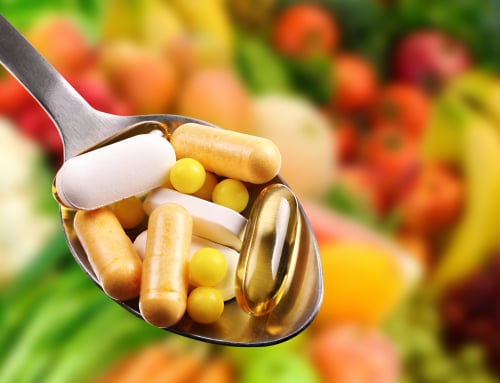
Currently, there are 2 approved GLP-1 pills, Wegovy and Foundayo, that are approved for weight loss only but not diabetes treatment. They mimic the GLP-1 natural hormone in a “needle free option.” People find it easier to travel with pills compared to injections. Injections also need to be kept cool, which may be inconvenient for some.
Both GLP-1 Pills:
- Help you reduce your thoughts about food.
- Slow digestion and keep you full longer.
- Control blood sugars.
- Enhance insulin secretion.
- Act on your brain, stomach and blood sugar.
Peptides like GLP-1s are usually broken down and destroyed by stomach acids and digestive enzymes. This is like insulin. The GLP-1 pills can now get around the gut’s natural defenses because of a “permeation enhancement” called SNAC. SNAC raises the PH, meaning less total stomach acid and prevents the pill from breaking down too quickly.
The pill must be taken in a higher dose than the injection since the absorption is somewhat challenging. The daily dose for the GLP-1 pill is 25mg compared to the weekly injection dose of 2.4 mg. The body absorbs less in the pill form but still retains enough to be effective. The GLP-1 pill version must be taken at a specific time on a routine.
The injection can be taken once a week on the same day but at any time during that day. The pill requires a “strict fasting window” of 30 minutes prior to eating or drinking. If you eat before the 30 minutes, the pill may be digested too early and wasted.
Foundayo is the newer version of a GLP-1 pill that was FDA approved for “obesity or being overweight with a weight related health issue on April 1, 2026.” It is a “small molecule” which means it is more stable and does not require a SNAC to prevent it from breaking down in your stomach acid.
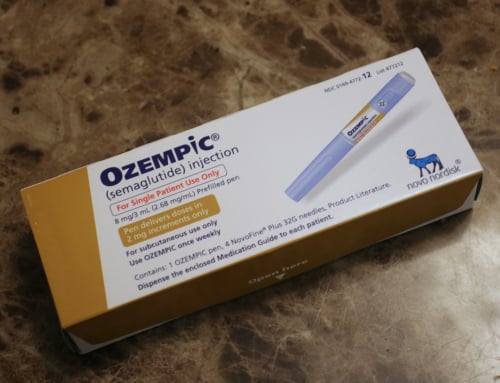
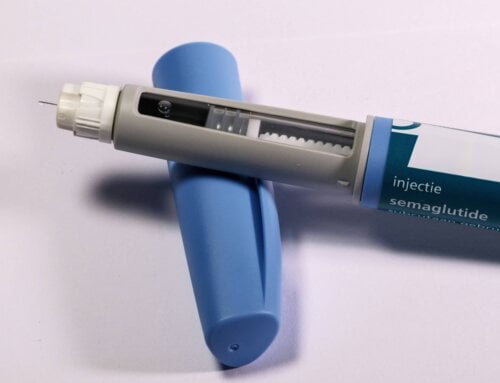
Ozempic and Mounjaro are specifically taken for diabetes and only available in the injection form. “GLP1s are currently leading to about 20% total weight loss.” Remember, a 10% body weight loss can increase your metabolic health, lower blood pressure, decrease glucose, lower fatty liver disease and improve sleep apnea.
These are “win-win situations” for all people with or without diabetes. The unpleasant side-effects are the same for the GLP-1 shots or pills. Included may be nausea, vomiting, diarrhea, constipation and abdominal pain. Most of these side-effects are temporary and quite manageable.
The bigger possible complications from these GLP-1s may include gallbladder problems, thyroid tumors, pancreatitis and excessive muscle loss. Talk to your physician if you have any symptoms. You may need to reduce your dosage for a short time.
What is the new senior Medicare rule for covering weight loss drugs?
According to the CDC “Obesity in seniors 65 years and older is between 30-40% and rising.” The amount has doubled since the 1980s. Obesity in seniors raises the risk of heart disease, stroke, hypertension and certain cancers. It also raises the risk of physical disabilities and reduces overall quality of life.
Starting on July 1, 2026, “Medicare will temporarily cover weight loss medications with a 50-dollar co-payment per 30-day supply.” This is a bridge program which will run from July 1, 2026, through December 31,2027. You need to speak to your physician to see if this may benefit you.
The guidelines must be documented by your physician prior to medication authorization. One specific criterion is a “BMI at or greater than 35%.” The other criteria can be found on the Medicare.gov website.
Included in the GLP-1 discounts will be the Wegovy pill, Zepbound multi-pak injection or the Foundayo pill. The 50-dollar co-payment will not count towards your Part D out of pocket maximum for medications. Ozempic and Mounjaro will continue to be covered for Medicare patients with diabetes only.
Discuss the sunscreen ingredient coming to the US in late 2026?
Proper skin health is an important factor for everyone, not just specific to people with diabetes. People with diabetes tend to get more skin infections and rashes than the average person, especially when blood sugars are considered out of control. Severe sunburn can be a critical problem for someone with diabetes.
Until now, the US chemical sunscreens, oxybenzone, avobenzone and homosalate, only blocked UVB rays. UVB rays cause sunburn but UVA rays cause skin aging. UVA and UVB rays both cause skin cancer. Chemical sunscreens are easier to apply, easier to remove, are harder on the environment and not yet proven safe.
They work like a sponge and “absorb UVB rays.” It takes about 20 minutes for them to activate once applied. Try to apply before you go outside. Mineral sunscreens such as zinc oxide and titanium dioxide block both UVA and UVB rays. They generally are preferred for more sensitive skin, are both reef and sea life friendly, and act more like a physical barrier.
That is why they contain heavy white flecks and are usually greasy and difficult to apply. Bemotrizinol, or BEMT, has been approved in Europe, Australia and Asia for years, but was unavailable in America.
BEMT was approved on June 9, 2026, by the FDA. Approval has been slow since America categorizes sunscreen as “a drug” while other countries categorize it as a “cosmetic.” It is much easier to approve a cosmetic compared to a medication.
Bemotrizinol “protects against UVA and UVB rays and acts like a chemical filter.” It is lightweight, easy to apply, not absorbed easily, and does not contain heavy white particles like mineral sunscreens. It will be the first new FDA sunscreen product in the US approved in the last 20 years.
The US has been “historically slow” in approval on new sunscreen active ingredients. BEMT will probably be available late in 2026 and exclusively made by a Swiss/Dutch company for the first 18 months. It will be called Parsol Shield.
After the initial 18-month period, BEMT will be made and offered by multiple local sunscreen companies. According to the most reliable information “lotions tend to be easier to use and used in correct amounts when compared to applying sun sprays and sun sticks.”
Which algorithm for management of adults with type 2 diabetes was introduced at this year’s AACE (American Association of Clinical Endocrinology)?
Diabetes management guidelines are updated at each yearly professional diabetes meeting. The most important principles and updates from this year’s AACE meeting include:
- Lifestyle modification is the foundation for all diabetes therapy.
- Achieve diabetes goals as soon as possible.
- A team approach is needed for a true comprehensive plan and is needed to manage all health needs of the patient.
- Use a comprehensive approach for weight loss.
- Choose pharmacologic agents guided by blood glucose targets which should be individualized based on age and other current health conditions.
- Choose your therapies based on ease, access, and availability to your specific patient.
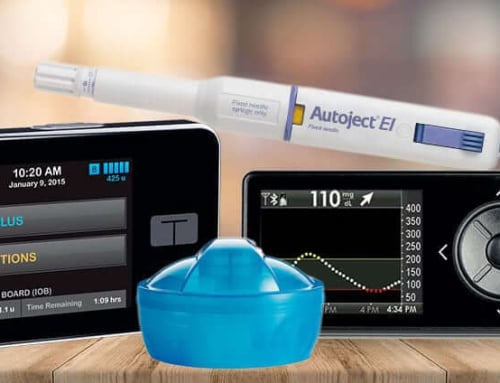
- Use a CGM device whenever possible.
- A1C goals should remain individualized.
- Try to get and maintain an optimal A1C as close to normal as possible but always try to keep the patient safe from hypoglycemia or low blood sugar. 6.5% or less if feasible, less than 8% for 3 months prior to an elective surgery.
This new list should apply to “everyone who requires diabetes management.” If you are not currently being followed and monitored by an endocrinologist or a medical team including a cardiologist, dermatologist, ophthalmologist, podiatrist, pharmacist, Certified Diabetes Care and Education Specialist (CBDCE) and a dietitian, you may want to follow up. The entire medical team can help you better manage your diabetes and your complete health.
Heat and your Health in 2026
Excessive heat, fires, floods and tornadoes have become even more of an emergency in global health during 2026. There were record-breaking temperatures in the US and European continents. Warmer oceans, drier soil, droughts followed by floods, forest fires, landslides, sink holes and EL NINO conditions magnify the problems.
Nights never have a chance to cool down, making the heat a constant problem. Aging and having a chronic illness, such as diabetes, makes the situation even more dangerous. Be aware of your hydration levels and use plain non-caloric beverages unless you are perspiring heavily.
Consider electrolyte replacement sticks added to your water or already made sugar-free drinks. How about your actual time outdoors? Is it in the shade or direct sunlight? Look for air quality measures and environmental pollution levels, which is another health risk.
Wear SPF clothing, long sleeves and long pants, sunscreen, sunglasses, a hat and comfortable shoes with socks. Have waterproof shoes available in case there is a sudden storm. Treat with bug spray when possible. Tick season has flourished this summer causing a big problem with Lyme disease. These minor adjustments may help you better control your diabetes even in times of weather crisis and emergencies.
Wearable Health Monitoring has really gone mainstream
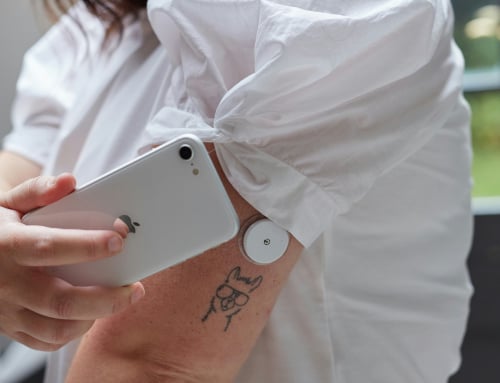
Oura rings, Fit bits, Apple watches, and Dexcom CGM have gone mainstream and are no longer just for elite athletes. We can receive care from the comfort of our own homes in a simplified manner.
AI is significantly enhancing wearable health technology, offering better patient monitoring directly from the patient to the physician, more personalized care, gut health monitoring and proactive health management. These wearables along with AI technology can help motivate users to make healthier choices and achieve superior outcomes.
There is always something new to learn and something new to try. Stay on the cutting edge by reading accurate information when you can, which may help you better manage and control your diabetes!
References:
- https://www.aarp.org/health/healthy-living/wearable-technology/
- https://www.today.com/health/skin-beauty/new-sunscreen-ingredient-bemt-bemotrizinol-approval-fda-rcna349274
- https://www.everydayhealth.com/weight-management/how-the-new-oral-glp-1-weight-loss-medications-work/
- https://www.communityhealth.mayoclinic.org/featured-stories/weight-loss-drugs
- https://www.health.harvard.edu/healthy-aging-and-longevity/how-does-ozempic-work-understanding-glp-1s-for-diabetes-weight-loss-and-beyond
- https://www.healio.com/news/endocrinology/20250607/for-older-adults-with-diabetes-personalize-therapy-to-improve-health-span
- https://www.definitivehc.com/sites/default/files/resources/pdfs/2026-healthcare-trends.pdf
- https://www.everydayhealth.com/skin-care/fda-approves-first-new-sunscreen-ingredient-in-decades/
- https://www.mcpress.mayoclinic.org/nutrition-fitness/what-is-the-30-30-30-diet-and-does-it-work
- https://www.prevention.com/weight-loss/diets/a6380152/30-30-30-diet-rule/
- https://www.msn.com/en-us/health/other/explainer-who-qualifies-for-medicares-new-50-weight-loss-drug-program-and-what-are-the-concerns/ar-AA26Y1qp
- https://www.consmer.reports.org/health/sunscreens/best-sunscreens-of-the-year
- https://www.cosmopolitan.com/style-beauty/beauty/a71187285/difference-between-chemical-mineral-sunscreen/







Leave A Comment