
There really is “no such thing as an ideal weight” for anyone or everyone, whether they have diabetes or not. Finding a healthy weight for you is more than just an easy calculation or number on a digital scale. There are multiple ways to figure out if your weight is in a healthy zone.
With diabetes, it’s even more important to achieve and maintain a healthy weight. This can help you lower your blood sugar, your blood pressure and your insulin resistance. There are even new insights into how obesity raises the risk of certain kinds of cancer.
Currently, “obesity related cancers” account for 4 out of 10 cancers in the United States. New research shows that cancers caused by obesity relate to “hyperplasia or additional cells being produced”. More cells increase the risk of copying errors that could eventually lead to cancer.
Creating more cells can lead to the development of solid tumors. The obesity related cancer types include breast, colorectal, liver, kidney and pancreatic. The original thought was that the “size of each cell grew when you gained weight. Not more cells accumulated because of weight gain”.
The good news is that “organ size and cell numbers do decrease with weight loss.” This study also shows “the importance of being and maintaining a healthy weight during childhood, middle age and older age”. Each phase or stage is influential in your weight journey throughout life.
Currently, the average male in the United States is almost 200 pounds and 5’9″ tall. The average female is the US is about 170 pounds and 5’3″ tall. These numbers for both men and women have grown tremendously in the last five decades.
Americans have gained “an average of 24 pounds for both sexes from 1960-2002.” Today, in 2026, the average weights for both sexes are even higher.
There are all kinds of plans for quick weight loss, which may entice you initially, but may not be the best answer, especially with diabetes. There is intermittent fasting, shake diet plans, keto diets, pre-packaged food diet plans, liquid diet plans and diet pill plans.
These plans create “cycles of promises.” Generally, weight loss is never achieved for long periods of time.
Does your mental attitude ever come into play with your weight?
Your specific relationship with food can easily start out in early childhood. Was eating sweets part of a reward or treat system for you? Did you go to bed hungry when you had bad behavior? During the holidays was food the connection between all your family?
Was money an obstacle to getting nutritious fresh food selections and complete meals? Was there anyone home to shop and prepare your meals? There is a “strong emotional connection to food” for many people. Old habits are difficult to break.
Food may hold deeper unconscious roots for you. Overeating may offer comfort. Deprivation can trigger indulgence and cycle into overeating. Unfortunately, food is promoted in the US on food cooking shows, travel food shows, food advertisements, social media and more.
Food can have an emotional and powerful draw which has no connection to your actual hunger or nutritional needs.
Are the current recommended Charts and Graphs Accurate?
There are charts and graphs which decide what “your ideal body weight” should be based on your height. Unfortunately, these may give you an inaccurate assumption.
Your ideal weight is influenced by multiple factors including your genetics, age, level of activity, height, bone size, natural body structure and size, what you eat, when you eat and your overall environment. Not one single number is a “magical number” on the scale simply based on your height.
What is considered more important than a Number on the Scale?
Talk with your health care provider and figure out what is a healthy weight for you. Make sure it encompasses your individual lifestyle, prior health conditions, body size and long-term health goals.
Understand that a healthy weight is for you and is not an ideal weight for anyone else or everyone. Set long-term and short-term goals with your physician or dietitian to eventually achieve that number.
Reasonable and workable references to use:
BMI
Body mass index is not a perfect formula because it does not tell the whole story. But it can be used as a guide. It is based on population averages. It is a “well-known metric” to assess if your weight is on track or target.
Based on your height and weight, you can calculate the number. You can find the BMI tool on The National Heart, Lung and Blood Institute site. The positive side is there is “not one ideal number.” BMI is measured in a range.
Below is the list of BMI ranges:
- Underweight – Below 18.5%
- Normal weight – 18.5-24.9%
- Overweight – 25.0%-29.9%
- Obese – 30% or over
- Class 1 obesity – 30.0%-34.9%
- Class 2 obesity – 35.0%-39.9%
- Class 3 obesity – 40.0% or higher (considered severe obesity)
BMI is not the perfect screening tool and is considered “incomplete” as far as when it is applied to a specific individual but does offer some basic information.
What are some of the flaws of using the BMI?
- You can’t tell if it measures fat mass or lean mass.
- You can’t estimate the distribution of the fat.
- It underestimates the risk of obesity for Asian people.
- It doesn’t track any markers of good health such as strength, function or important metabolic markers.
- It overestimates body fat in people who are extremely muscular.
- It can’t differentiate between race, ethnicity, sex or age.
- It underestimates body fat in older adults.
- It can’t really be accurate as to “how healthy you really are.”
What are other measurement tools that your health care provider may use?
Waist Circumference
This is an easy and inexpensive way to acquire more information about your health than just knowing your weight. Again, it is only one indicator and is most accurate when used along with a scale weight and BMI. A simple tape measure is used to check your belly fat.
It is measured midpoint between your lowest rib and the top of your hipbone, in line with your belly button. A higher amount of belly fat is associated with more health risks including heart disease and type 2 diabetes. Abdominal fat is “visceral fat” which surrounds the internal organs and raises chronic disease risk.
Visceral fat releases fatty acids which cause inflammation in the body and raises blood pressure, blood sugar, cholesterol levels and triglycerides. This fat wraps around the liver, pancreas, spleen and gallbladder.
The more visceral fat you have, the higher your insulin resistance (when you have insulin, but it does not work correctly). Your liver, muscles and pancreas do not respond to your insulin. You can’t take glucose from your bloodstream to enter your cells. You just keep making more insulin, which is not healthy.
The specific numbers which are considered a dangerous waist circumference is:
- 35 inches or over in women
- 40 inches or over in men
Waist to Hip Ratio (WHR)
The WHR is calculated by “dividing your waist circumference by your hip circumference.” The rule of thumb is your waist should be smaller than your hips. It offers more accuracy by seeing where the body fat is distributed. Fat distributed on your hips is safer for your health compared to belly fat.
WHR Values:
- WHR below .90 is considered normal for men. Anything higher than 1.0 creates a higher risk of health problems.
- WHR below .85 is considered normal for women. Anything higher than 1.0 creates a higher risk of health problems.
Dexa/DXA Scans (Dual-energy X-ray Absorptiometry)
Dexa scans are imaging tests which can measure fat mass, lean muscle mass, complete body composition as well as bone density. These scans are a low dose x-ray beam which takes 10-15 minutes to perform, is painless and non-invasive. You lie still while the scanner does the work.
Most females who are in menopause get a DEXA scan to identify bone density scores. Other facilities offer DEXA/DXA scans to give you information about your body composition. You and your physician can specifically request this scan.
This test can help you learn “how many calories your body burns at rest.” Over time, you can track your fat/lean mass progress and have a tailored plan personalized for you.
Complete Physical and Blood Work
With assistance from your health care provider, you can achieve the “correct weight” just for you. They will assess your blood pressure, blood sugar and cholesterol with simple blood work. The physician will use other health metrics to come up with a personalized plan. You are the one that needs to follow through with the recommended advice.
Which specific health risks are associated with being overweight or obese?
Generally, the more you weigh, the greater the health risk becomes.
Included would be:
- Diabetes
- Metabolic Syndrome – insulin resistance
- Cardiovascular disease
- High blood pressure
- Fatty liver disease
- Kidney disease / kidney failure
- Breathing disorders / shortness of breath
- Cancer
- Gall bladder disease
- Joint issues / joint replacements / osteoarthritis
- Sleep apnea
Finding ways to lose weight and keep it off can be physically and mentally stressful. It can be very challenging.
Here are some simple suggestions to help begin your weight loss journey, along with guidance from your health professionals:
- Eat dinner earlier. “Eating dinner late has a huge impact on weight gain. Studies have documented “eating later causes you to have higher BMIs, less insulin sensitivity, more insulin resistance and higher triglycerides.” Eating late causes more obstacles to losing weight and keeping it off. Meal timing can improve your weight and overall health.
- Eat balanced meals. Eating balanced meals can help you eliminate cravings. Craving can start and create a downward spiral. A balanced meal includes high fiber vegetables, fresh, leafy greens, lean protein, whole grains, healthy fats, zero-calorie beverages and fruit in moderation such as blueberries, strawberries, raspberries, blackberries, melons and kiwis.
- No more nighttime highly processed snacking. A small reasonable snack is ok when you have diabetes, especially if you take insulin. Do not eat a bedtime snack just because it is a habit. Consider eating a cheese stick with 2 whole grain crackers. Avoid chips, pastries, ice cream, cookies, bars and smoothies. High carbohydrate, processed, high-fat snacks have no place in your meal planning either day or night. Late night eating is linked to “increased body fat and higher blood sugars.” Avoid a trip to your kitchen after dinnertime clean-up.
- Walking. “Evening walking about 20-30 minutes after dinner helps burn calories, improves digestion, and lowers your blood sugar”. If the walk is completed 2 hours before bedtime, it can even help you to sleep more soundly.
- Down/unwind time. Do not spend your final hour checking and responding to emails, watching nightly news reports, engaging in social media or viewing action-packed, high-energy TV programs. Cut blue screen light. You require quiet time before bed. You need adequate and restful sleep to support “balanced eating and reduced cravings.”
- Hit the bed earlier. It is a known fact that sleeping 6 or less hours per evening “messes with your metabolism.” Achieve 7-9 hours of sleep per night, depending on your personal needs.
Are there health problems associated with being underweight?
While less of a problem in the American culture, there are people who are underweight and mal-nourished. This can lead to multiple health issues. Being underweight has its own risks.
Common risks include:
- Frailty
- Weak bones / osteoporosis
- Hair loss
- Brittle nails
- Dry skin
- Weakened immune system / slower wound healing
- Anemia
- Getting frequent colds, viruses and bacterial infections
- Low heart rate / low blood pressure
- Being cold all the time
Which diseases are associated with being underweight/mal-nourished?
- Eating disorders – Anorexia, bulimia
- Depression / Anxiety
- Thyroid issues
- Cancer
- Skin disorders
Does aging influence your weight?
Aging has an impact on your weight. This is because of shifts in your hormones (both in men and women), changes in muscle mass, changes in height and shifts in fat distribution. Your weight in high school or college may not be similar to your weight at 65-75, but it may not need to be.
Weight and what to focus on as you age:
- Focus more on your present and future health.
- Maintain your metabolic stability.
- Focus on your ability to function daily.
- Support your bone and mineral health.
- Protect and maintain your independence.
- Maintain your muscle mass.
- Work and maintain your balance.
How can you and your physician achieve a healthy weight just for you?
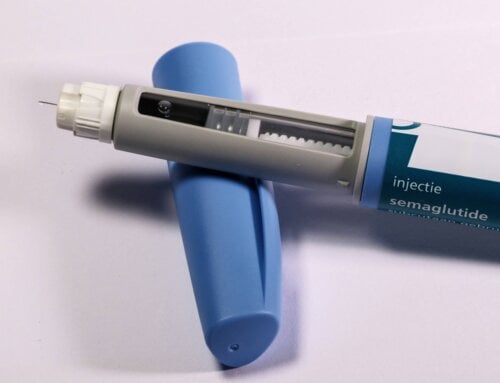
The focus should remain on healthy eating, regular movement, sleeping, reducing your stress and taking your medication correctly. If that does not work, we currently have many choices of weight loss drugs for those with or without diabetes. GLP-1s and GIPs now come in both weekly injections and daily pills.
These medications are “highly effective” and offer many other health benefits other than weight loss, especially when you have diabetes and cardiovascular disease.
They decrease appetite, slow gastric emptying, increase insulin secretion, decrease sugar made in the liver, assist in reducing your heart disease risk, besides helping you lose weight.
Remember being overweight and obese is a “real disease” and is not just caused by overeating. It is a chronic relapsing illness. Stay more aware of the biological measurements, not just a number on your scale.
Focus on long-term goals, functional day to day health and comfort in your own body. Set reasonable and manageable goals with your provider and set a “doable path.” It’s not about perfection, but about progress.
Things you can do:
- Know your baseline.
- Document information in a notebook.
- Understand why you are doing certain things.
- Keep an eye on your progress or lack of progress.
- Do not compare yourself to anyone.
- Acquire gradual behavior changes.
- Work on strength and balance.
- Use daily functional fitness. Carry your groceries. Balance on one leg. Get up and down from a chair without using your hands. Use a vacuum cleaner. Open windows.
- Do not obsess about calories.
- Watch portion sizes.
- Do not weigh yourself daily.
- Make wise eating choices.
Focus on non-scale victories. Feeling stronger, controlling your blood pressure, controlling blood sugar, having more restful sleep, having more energy and being more alert are more important than a number on the scale. Do not fall into a number. Get a healthy mindset and really enjoy good self-care.
References:
- https://www.loseit.com/articles/the-average-height-and-weight-by-age
- https://my.clevelandclinic.org/health/diseases/10783-metabolic-syndrome
- https://www.eatingwell.com/things-to-do-after-5-pm-for-weight-loss-11981083
- https://www.healio.com/news/hematology-oncology/20260324/major-implications-study-uncovers-new-mechanism-for-obesitycancer-link
- https://www.eatingwell.com/myths-about-weight-loss-to-stop-believing-11727247
- https://www.mayoclinic.org/diseases-conditions/obesity/in-depth/bmi-calculator/itt-20084938
- https://www.verywellfit.com/what-is-waist-circumference-3495558
- https://www.webmd.com/fitness-exercise/what-is-waist-to-hip-ratio
- https://biologyinsights.com/how-accurate-is-a-dexa-scan-for-bone-and-body-fat/
- https://www.psychologytoday.com/us/blog/more-than-a-feeling/202302/the-psychology-behind-weight-loss-and-emotions?










Leave A Comment