

Lactose intolerance and diabetes – are they connected?
Many individuals with type 2 diabetes report experiencing “Lactose intolerance.” Worldwide, 70% of adults have a level of lactose intolerance. Both diabetes and lactose intolerance can happen at the same time and may require dietary restrictions. Both issues can affect what you eat, how you eat and your gut health.
The National Institutes of Health (NIH) states “there is a need for more rigorous research to establish a connection between lactose intolerance and diabetes.” As this point, the relationship is not definitive. They are two separate conditions, since one does not cause the other. That said, many people do have both conditions simultaneously and it is important to formulate a dietary plan to help control each one.
What is lactose intolerance?
Lactose is a natural sugar found in milk and milk products such as cheese, yogurt and ice cream. Lactose intolerance is when your body does not make an enzyme, called lactase, in the small intestine that prevents the breakdown of lactose. By the time the lactose gets to the colon, it remains undigested.
This results in lactose intolerance. Lactose intolerance is not the same as a food allergy to dairy. “A food allergy is a reaction to a specific food.” Lactose intolerance is the inability to digest foods containing lactose.
What are symptoms of lactose intolerance?
- Symptoms can be either mild or severe
- Bloating
- Gas and stomach pains
- Stomach cramps
- Gurgling and rumbling sounds coming from your stomach
- Nausea or vomiting
- Diarrhea
Who generally suffers from lactose intolerance?
Lactose intolerance is more common in women and “often found in families from genetics.” North Americans, South Americans, Latinos, Asians and Africans have this common food intolerance much more than Europeans. It is less common in infants and small children and usually develops during teenage years or adulthood.
When do you usually notice the effect from lactose?
The effects usually begin 30 minutes to 2 hours after consuming milk or milk products.
Why is it important to eat dairy products especially when you have diabetes?
Dairy products are the main source of calcium in the American diet. Dairy is an important source of protein, calcium, magnesium, potassium, probiotics, amino acids and vitamin D. These essential nutrients are needed to support overall general health. These nutrients are crucial when you have diabetes.
Vitamin D helps your body maintain adequate calcium levels. Dairy products are important for strong teeth and bones, as well as to maintain muscle mass as we age. “Protein and fat, even low fat, can help modify the rise in your blood sugar and make you satiated for a longer time.”
Regular intake of dairy foods, particularly low-fat dairy and yogurt, are associated with a lower risk of type 2 diabetes and improved blood sugar control.
What are the preferred sources of dairy if you are lactose intolerant?
- Hard cheeses have less lactose and less sugar. Aged cheeses also contain less lactose. Eat Cheddar, Gouda, Swiss, Blue cheese, Colby and Parmesan, in moderation, due to fat and calorie content.
- Coconut yogurt.
- Yogurt with “live cultures” of probiotics. Probiotics make lactose easier to digest.
- Canned soft fish with bones such as salmon, sardines and tuna.
- Plant-based milks like Soy, Oat, Almond, Coconut or Rice milk.
- Green leafy vegetables – Kale, Swiss chard, broccoli, arugula, collard greens.
- Lactose-free milk and cheese products.
- Goat cheese and milk.
- Feta cheese and sheep milk products.
- Nuts and seeds – Almonds, chia seeds, poppy seeds, chia seeds, pumpkin seeds, sesame seeds.
- It is better to eat dairy foods in small servings at each meal. That way you take in small amounts of calcium throughout the day compared to eating one large serving per day. This helps with calcium absorption.
- An excellent source of food contains 20% or higher calcium content. A good source of food contains 10-19% content.
- You may benefit by adding lactose supplements immediately prior to eating dairy products.
What are some available lactose supplements?
Lactase enzyme supplements are the most common supplements used to break down lactose. They come in tablets, capsules and drops. Some lactase supplements include pro-biotics “that continuously produce lactase in the intestine.” Lactase supplements are taken before the first bite or sip of lactose containing foods.
Avoid most soft and creamy cheeses which are higher in lactose. Ricotta, cream cheese, Mozzarella, Camembert and cottage cheese should be eaten in limited quantities or eliminated completely.
How can you be tested for lactose intolerance?
Your health care provider may order a hydrogen breath test, or you may purchase one OTC. “Undigested lactose is measured in your breath before and after a lactose beverage.” The more undigested lactose, the higher the amount of hydrogen in your breath, the more lactose intolerant you are.
A glucose blood test may be used to test lactose intolerance. This can be seen after your blood sugar does not rise after drinking a glass of milk.
Some people may make a “self-diagnosis”. If you have symptoms after having milk or milk products, you can start by removing all dairy products from your diet. Then, when your stomach returns to normal, slowly reintroduce each dairy product one by one to see which ones affect you.
It is best to work with a health care provider, especially a registered dietitian or Certified Diabetes Care and Education Specialist (CBDCE) to help you avoid lactose intolerance.
Does the fat content of dairy products influence the lactose amount?
The fat content of dairy products is separate from the amount of lactose. Generally, with diabetes, the suggestion is to “choose low fat or 2% fat foods to reduce calorie content, help with weight loss and reduce cholesterol levels.”
Remember, long term avoidance of foods containing lactose may lead to calcium and vitamin D deficiency resulting in osteopenia, osteoporosis or periodontal/gum disease.
Did Wegovy finally get FDA approval as a pill? Is it currently on the market?
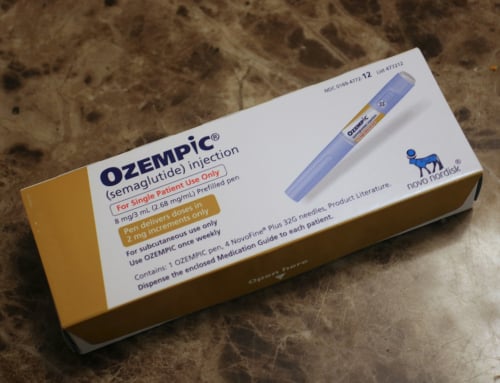
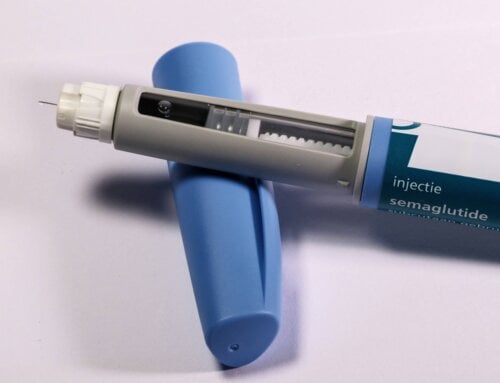
Wegovy is a medication specifically used for weight loss. It is like Ozempic, which is made by the same company for people with diabetes. They are both considered GLP-1s (semaglutide medication) and are used in conjunction with an exercise program and a proper eating plan to help manage weight.
They both are offered in an “injection form only” and are higher in cost when purchased out of pocket. Taking “the Wegovy pill” may lead to a reduction in developing type 2 diabetes. Those who were switched from a Wegovy injection to a pill “were able to maintain their weight loss.”
Other benefits of the pill include a reduction in the risk of cardiovascular events and improved kidney and liver function profiles. The Wegovy pill is given once a day in a 25mg dose and costs “149.00 a month” when purchased out of pocket. It is taken with 4oz of water on an empty stomach, 30 minutes prior to eating or drinking.
You should also wait at least 30 minutes before taking any other oral medication or supplement after taking the Wegovy pill.
Is there a pill form of GLP-1 specifically for those people with diabetes?
Rybelsus is a GLP-1 pill already FDA approved and available for people who have diabetes. It also lowers the risk of cardiovascular problems such as a stroke or heart attack.
Both pills may cause some side-effects such as nausea, feeling full longer due to slowed gastric emptying, headaches, fatigue, upset stomach, diarrhea, constipation and a possible increased risk of thyroid tumors or pancreatitis.
Both pills require you to “swallow them whole” and drink enough fluids to stay hydrated. Check with your health care provider to see if these medications are right for you.
What are statins?
Statins are oral medications “that block the enzyme that makes cholesterol in your liver.” Examples of the most common types include Lipitor, Zocor or Crestor. They are the first “go to drug” when bad cholesterol or LDL is high. Statins also stabilize plaque formation on the artery walls as well as reduce the risk of clot formation.
It is often recommended to take a CoQ10 supplement with a statin. CoQ10 is an antioxidant made in the body to naturally protect your heart, brain and muscles. It is also found in oily fish, eggs and nuts. Some studies suggest that “adding a CoQ10 supplement may help reduce muscle aches and pains” when taking a statin, but more studies are needed.
What is statin intolerance?
Since heart attacks and strokes are 2-3 times more common, and the leading cause of death when you have diabetes, most people with diabetes take statins. Statins are prescribed to lower LDL levels or the bad cholesterol (plaque) which builds up on the artery walls.
Statin intolerance is “when your body can’t tolerate statins due to causing severe muscle aches, spasms, muscle cramps or elevated liver enzyme levels.” Rhabdomyolysis is “the destruction of muscle cells”. It is dangerous and therefore should be evaluated by a physician.
Muscle weakness, fatigue or muscle inflammation may also be present with statin intolerance. Usually, 2 different statins in smaller doses are offered before discontinuation due to intolerance. Sometimes offering a different statin in a smaller dose may help.
A statin intolerance is “when the negative side-effects outweigh the benefits of the drug”. 20% of patients on statins end up with statin intolerance.
What are common risk factors associated with statin intolerance?
- Being female
- Asian decent
- Excessive alcohol intake
- Excessive exercise
- Eating grapefruit, grapefruit products or drinking grapefruit juice
- Preexisting kidney, liver or neuromuscular dysfunction
- Existing family history of statin intolerance
How can you diagnose statin intolerance?
A full history and physical examination should be performed by your physician. Blood tests are done looking for high levels of creatine kinase or liver enzyme elevation. A muscle biopsy may be performed if the answer remains unclear. A muscle strength test as well as genetic tests may be taken to see if you are prone to statin intolerance.
Common side-effects of statins
Side effects are different than true statin intolerance. Side-effects include headaches, heartburn, excessive gas, hoarseness and a stuffy nose. They are usually tolerated and lessened as you continue taking statins.
What happens if you are prone to a statin intolerance?
Luckily, there are several other medications offered for high LDL cholesterol which may not cause problems. Lifestyle changes with an exercise routine and a Mediterranean diet are started. Weight loss is always helpful.
Zetia, BDA and PCSK9 inhibitors
These are other medications to replace statins.
Zetia is a cholesterol lowering medication that reduces the amount of cholesterol your body absorbs. It can be taken with a fenofibrate or with a statin.
BDA (bempedoic acid) is an oral prescription tablet taken daily to lower LDL levels.
PCSK9 inhibitors enhance the breakdown of LDL levels. Repatha is a PCSK9 which is currently offered as an injection. A pill form is waiting for FDA approval. These medications are more effective in lowering cholesterol with fewer side effects.
Remember, skipping your statin medication significantly raises your risk for heart attack and stroke, especially when you have diabetes. Never stop taking your prescription drugs without consulting your health care provider. Always report unusual symptoms.
What are other causes of muscle spasms and muscle cramps? Are they more common with diabetes?
Studies show “up to 75% of people with diabetes experience more muscle cramps and spasms than people without diabetes”. They can be moderate to severe and usually occur during sleep. The spasms mainly target the calves, feet and thighs. Another reason for the cramps and spasms in those with diabetes is due to peripheral vascular disease.
This is when not enough oxygen is reaching the muscles due to decreased blood flow in narrowed vessels. Neuropathy or nerve damage with diabetes can lead to muscle spasms. Water pills or diuretics that treat high blood pressure can cause electrolyte imbalances leading to cramps and spasms.
When you have diabetes, one of the most important pillars of treatment is exercise. With exercise you can experience muscle spasms and cramps related to muscle fatigue, muscle strain and dehydration.
“A muscle cramp or spasm is when a muscle spontaneously contracts or an involuntary contraction of a muscle occurs”. Sometimes, deep spasms can be manually stretched and massaged to break the spasm and relax the muscle.
Other reasons for muscle spasms and cramps
- Poor conditioning or lack of conditioning
- Exercising in extreme heat
- Starting a new activity
- Lack of stretching
- Not drinking enough fluids
- Severe muscle fatigue
- Altered neuromuscular control
Certain muscle groups are most affected by spasms and cramping. They include the calf muscles, hamstrings, quadriceps, hands, feet, arms, ribcage and the abdomen.
What does a muscle spasm feel like?
A muscle spasm can feel like a slight twitch, form a rock-hard area and can last from a few seconds to several minutes. The spasm may relax and then return several times before it completely disappears.
What can you do to prevent or treat muscle spasms?
Stretch the affected area to break the spasm cycle. You can use a heating pad to relax the muscle or ice to numb the pain and sensation. Think about adding dietary supplements such as vitamin D and vitamin B12, which are often low with diabetes. Manage blood sugars as best as possible.
Stretch before and after exercise. Invest in a foam roller to stretch the large muscle groups such as the hamstrings and quadriceps. Think about joining a physical therapy (PT) program to learn which exercises will help you the most.
Stay hydrated. Eat foods high in magnesium and potassium such as Swiss chard, kale, spinach, white beans, acorn squash, avocados and quinoa to correct any electrolyte disturbances.
Root canals and diabetes
Your mouth is full of bacteria and an infection inside the tooth can eventually enter the bloodstream. Diabetes increases the risk of infections in your gums and teeth. Out of control blood sugars weaken the immune system, impairing fast and proper healing and may cause dry mouth which increases tooth decay.
Why would you need a root canal?
A root canal is required when “the pulp of a tooth becomes infected.” It can be from a cracked or broken tooth, gum disease or from severe cavities, all more common with diabetes. Having a root canal when needed can protect your long-term health and diabetes control.
Diabetes impact on success of root canals
- Delayed healing
- Higher infection rate
- Blood sugar fluctuations
- Gum sensitivity
- Dry mouth
What can you do to reduce the impact of diabetes when you need a root canal?
Try to get blood sugars controlled prior to a root canal. Stop smoking. Stay hydrated with plain water which will assist in healing. Eat a balanced diet. Eliminate any sugary beverages. Skip refined foods. Take antibiotics and diabetes medication as prescribed.
Consider fluoride toothpaste and a mouth rinse. Try to schedule dental appointments early in the day or when your blood sugars are best controlled. Floss daily. Keep all dental appointments as suggested.
People with diabetes often have other challenges in everyday life other than maintaining blood sugar. Learn what you can do to make these situations easier for you to handle. Stay informed.
References:
- https://www.health.com/fitness/cardio-workout-at-home
- https://www.thediabetescouncil.com/the-dairy-connection-type-2-diabetes-and-lactose/
- https://www.wegovy.com/obesity/what-to-pay-for-wegovy.html
- https://www.healthline.com/health/high-cholesterol/statin-intolerance-what-are-the-signs
- https://www.everydayhealth.com/dental-oral-health/root-canals-may-lower-risk-of-heart-disease-diabetes/?
- https://www.verywellhealth.com/what-causes-muscle-spasms-and-cramps-3120487
- https://www.verywellhealth.com/lactose-intolerance-test-11684401
- https://pmc.ncbi.nlm.nih.gov/articles/PMC10591058/
- https://www.sciencedirect.com/science/article/pii/S2666990024000089
- https://www.thediabeticfriend.org/diabetes-and-lactose-intolerance/
- https://medlineplus.gov/lab-tests/lactose-tolerance-tests/
- https://www.medpagetoday.com/endocrinology/obesity/119154?
- https://www.healio.com/news/endocrinology/20251218/oral-glp1-enabled-people-who-switched-from-injectables-to-maintain-weight-loss
- https://www.webmd.com/cholesterol-management/what-is-statin-intolerance
- https://bestsmilesdentist.com/diabetes-and-root-canals-what-you-need-to-know
- https://health.clevelandclinic.org/statins-and-diabetes











Leave A Comment