
Key Takeaways
- GLP-1 has an ongoing effect on your system, even after you stop taking the medication.
- Learning how to manage these effects as you escalate or taper off your prescription is essential to preventing weight gain.
- As you start taking GLP-1 medication, carefully follow your prescribed escalation schedule, avoid high-fat and spicy foods, and eat slowly.
- Before you end your GLP-1 usage, start eating smaller meals and ensure you’re staying hydrated.
- Always consult with your physician before making any changes to your medication or when experiencing side effects.
Learning About GLP-1 Side Effects
Many medical professionals discuss GLP-1 side effects with their patients before providing a prescription. Since they’re a dose-dependent result of how the medication works, they’re predictable and manageable if you use the right strategies.
If you’re planning on starting or stopping your GLP-1 drugs, it’s time to take a look at what you can expect. Follow along as we discuss GLP-1 side effects after stopping, how long GLP-1 side effects last, and the GLP-1 long-term side effects.
Starting Semaglutide Medications
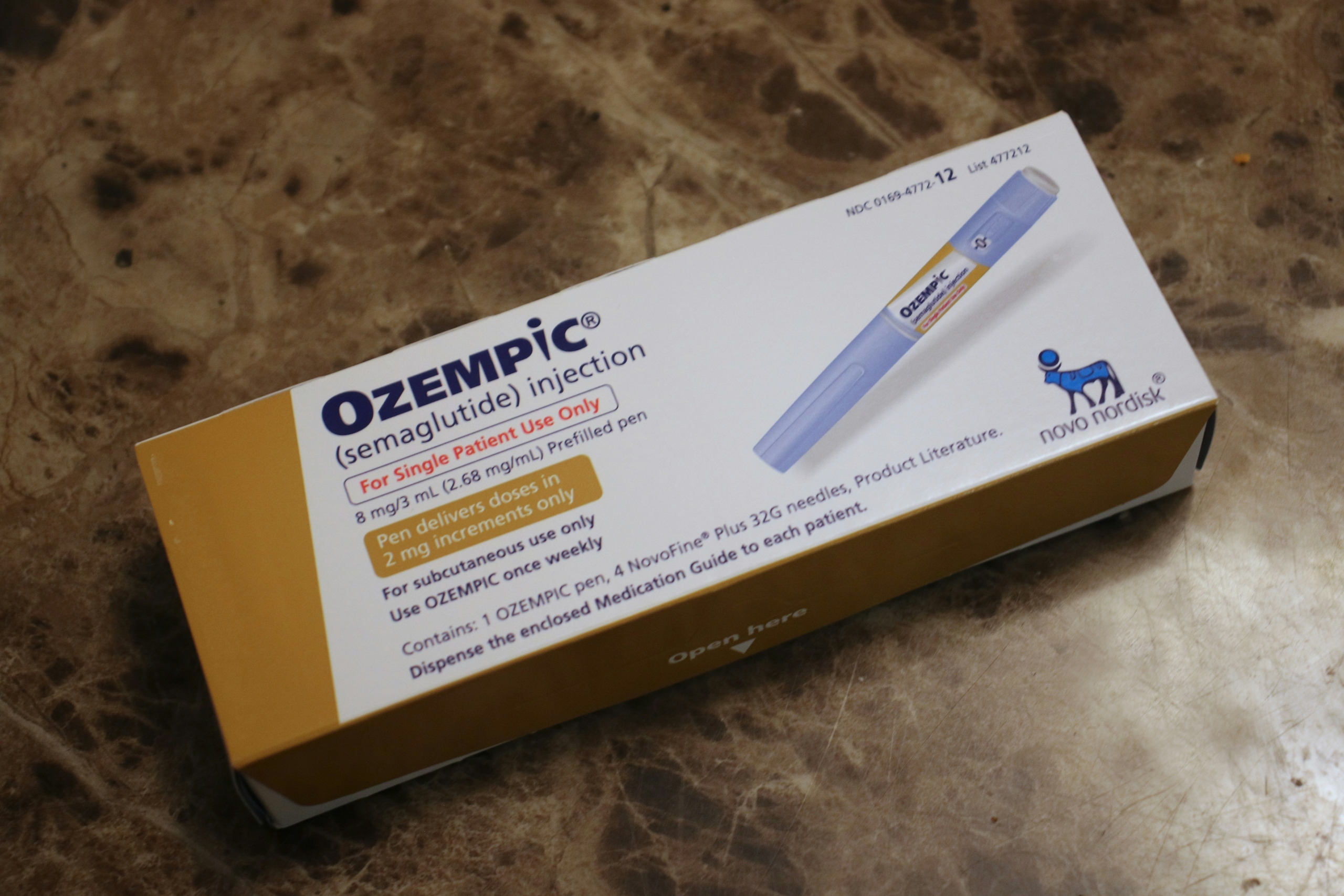
Every single semaglutide medication is designed to start with a low dose and slowly escalate to meet your needs. Escalation schedules may vary based on doctor recommendations, and rushing escalation will result in more side effects. Common GLP-1 side effects during escalation include:
- Nausea
- Diarrhea
- Vomiting
- Constipation
There are some rare GLP-1 side effects, like pancreatitis and gallstones, but we won’t be discussing them here. Managing other Mounjaro or Ozempic side effects varies by your experience, so we’ll offer a few strategies for each concern below.
How to Manage Common Symptoms
Managing GLP-1 side effects usually starts with reducing the digestive workload and avoiding overly rapid dose increases. A prescriber should guide medication changes.
- Eat smaller portions. Eat slowly, stop at the first sign of fullness, and avoid forcing yourself to finish a full meal when your appetite is low.
- Limit heavy meals. High-fat, fried, spicy, or very large meals often worsen nausea, reflux, and uncomfortable fullness.
- Hydrate steadily. Take frequent small sips when nausea makes drinking difficult. Persistent vomiting or diarrhea requires medical attention.
- Address constipation gradually. Increase fluids, movement, and dietary fiber carefully because a sudden fiber increase can worsen bloating.
- Do not accelerate titration. A clinician may delay an increase, return to a previously tolerated dose, or evaluate another cause of symptoms.
Do not stop or change a prescription independently because of side effects. Keeping a short record of dose dates, meals, symptoms, bowel movements, and glucose readings can reveal useful patterns. Readers comparing different GLP-1 drugs should remember that tolerability varies by product and dose.
Nausea & Vomiting
GLP-1s activate receptors in your brainstem that trigger nausea and vomiting independently of what’s going on in your stomach. To address these concerns, focus on what and how you eat:
- Eat smaller meals.
- Avoid fried, spicy, and high-fat foods, as they slow gastric emptying.
- Eat slowly and stop when you feel comfortably full.
- Choose cold or room temperature foods. Hot foods with strong odors can trigger nausea.
- Use ginger tea when feeling nauseous.
Diarrhea
Because GLP-1 side effects alter nutrient transit time, diarrhea is a common, relatively mild symptom. The best tactics here include:
- Staying hydrated
- Replenishing electrolytes
- Avoiding high-fiber foods
You want to replace any nutrients lost to diarrhea while avoiding foods and supplements that exacerbate the situation by accelerating gut transit times.
Constipation
Even though it seems opposite to diarrhea, constipation is just as common a side effect. You’re slowing gastric emptying with GLP-1 side effects and changing your colonic response time. First-line interventions include:
- Hydration
- Dietary fiber
- Osmotic laxatives as needed such as MiraLAX
During GLP-1 Use
After the initial GLP-1 side effects, you may still experience some unwanted changes to your body, including:
- Loss of Lean Muscle Mass: Add weight training 2-3 times per week, increase your protein intake to 1.2 grams per kilo of body weight per day, and avoid decreasing your calorie intake beyond what the medication already does.
- Application Site Reactions: If you’re experiencing redness, itching, or bruising, you can rotate treatment sites between the abdomen and upper thigh, upper buttocks and side of the upper arm. Allowing the medication to reach room temperature before treatment may also help with skin reactions.
Stopping GLP-1 Medications
GLP-1 side effects after stopping are a blend of the same side effects you experienced during escalation and a few new ones, including:
- Nausea & Diarrhea: Your body is adjusting yet again to a different gut transit time. You’ll experience similar gastrointestinal distress as before. Use the same strategies for increased hydration and slow, thoughtful eating to manage these concerns.
- Increased Appetite: Focusing on nutrient-dense meals, such as eggs, fish, nuts and seeds, can help you feel fuller for longer. Add more fiber and protein to your diet as needed to help manage hunger. You should also consult with your doctor about how slowly you can taper off the medication.
- Food Cravings: GLP-1 side effects after stopping may cause you to notice increased cravings. Stick with a regular schedule. Consistently eating 3 to 5 meals a day can help you resist cravings and avoid chaotic, inefficient eating habits.
- Rebound Weight Gain: Focusing on eating regularly scheduled meals rich in nutrients can help you manage your eating as you taper the medication. If you don’t allow the Ozempic side effects to control your eating habits, you’re far more likely to maintain healthy weight loss.
GLP-1 Side Effect FAQ
How long does it take for GLP-1s to work?
GLP-1 side effects vary from person to person. However, you can expect a reduced appetite within 1 to 2 weeks. Weight loss can begin around weeks three to four and become noticeable within two months. You may also notice improvements in your blood sugar within three months.
Should you refrigerate GLP-1s in between doses?
You should always refrigerate your GLP-1 medication until first use. However, the length of time out of the refrigerator depends on the kind of GLP-1. Never freeze your GLP-1 medications.
How does Ozempic work for diabetes?
GLP-1 medications mimic your natural GLP-1 hormones to help regulate blood sugar levels. When your blood sugar is high, Ozempic and other GLP-1 medications can cause side effects such as increased insulin secretion, slowed digestion, and reduced appetite.
Taking Ozempic and controlling diabetes both require physician oversight. Consult with your doctor before starting any new regimens.
Moving Forward
At ADW Diabetes, our goal is to ensure you’re as informed as possible when it comes to any GLP-1 side effects, diabetes supplies, and A1C test kits. If you’re interested in more information regarding the GLP-1 side effects after stopping or how to use GLP-1s for diabetes management, our team is here to help.
Reach out today to discuss insulin supplies and more.
Medical Disclaimer: The information in this article is for educational purposes only. This article is not a substitute for medical advice or treatment. Please consult your healthcare provider before making any changes to your medication.








Leave A Comment