
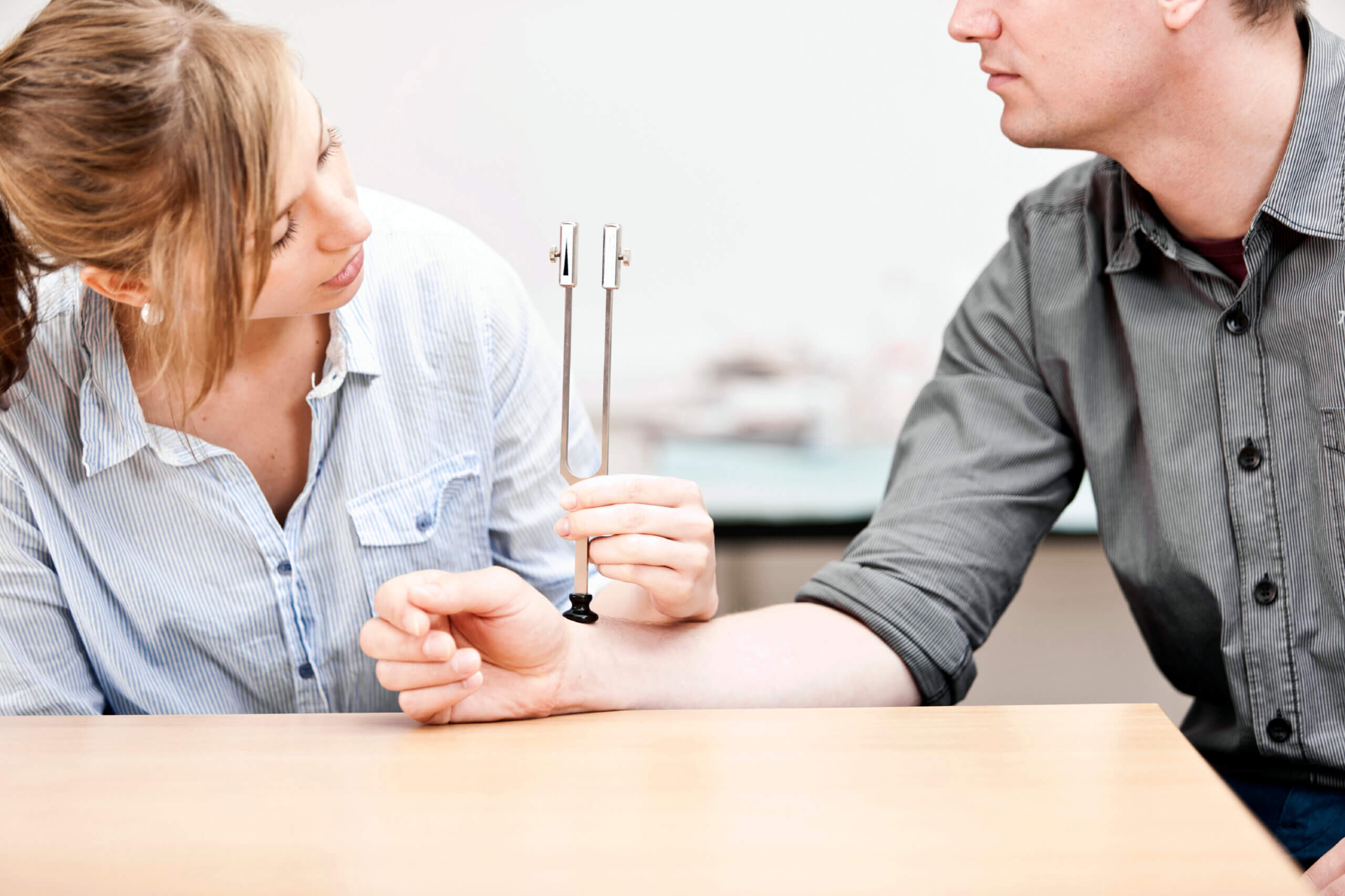
Chronic pain is a “type of pain that persists longer than 3-6 months and appears almost daily.” It could be either musculoskeletal in the muscles, bone and soft tissue, or inflammatory such as an autoimmune disease or neuropathic which is nerve pain, often seen with diabetes.
Pain is complex and often not dealt with. Chronic pain becomes worse as we age “26% of people aged 45-64 experience chronic pain and 31% of people aged 65 and older live with chronic pain.” Pain is complex and can take a huge toll on your quality of life and limit your day-to-day living.
If pain is left untreated for too long, it can spiral out of control and make life almost “unbearable.” Unfortunately, the opioid abuse epidemic ended up being the “leading cause of death in those 50-70.”
Opioids give you short term pain relief for immediate, intense pain, like surgery or a procedure. Opioids should not be given for long term chronic pain, which then becomes addictive. Other measures of pain management should be explored.
Pain management should help you have a more livable and tolerable life but may not eliminate your pain. It should help you have a better quality of life. Chronic pain management involves a “multipronged approach.” This could include painkillers, massage, acupuncture, surgery, physical therapy, anti-inflammatories, implantable devices or nerve blocks.
Body aches occur when your muscles, tendons, joints and other connective tissues burn, tingle or hurt. Every joint and muscle feels tight or tense with an ache. The ache may be sharp or dull. This sensation can be short term or become chronic. With body aches, you may experience chills, shivers, fatigue and fever.
Pain could also be accompanied by throbbing, swelling, stiffness or muscle cramping. The most common aches and pains that become chronic are headaches, neck pain, hand pain, knee and foot pain, back pain and neuropathic pain.
Too much exercise or exercising incorrectly can also lead to acute or chronic pain. Exercise is extremely important when you have diabetes, since it “uses sugar for the work and lowers insulin resistance.” Learning the correct way to exercise is important to prevent injuries and chronic aches and pains.
Do not overdo your exercise routine and make time for rest between workouts. Approximately 89% of US adults with diabetes are overweight or obese. According to the CDC,” Just being overweight or obese can add to joint pain if you are not exercising correctly.”
What is your most important goal when experiencing chronic pain and body aches?
The most important goal is to find the cause of your pain and come up with a reasonable and effective way to treat and deal with the pain. You may need a team of health care professionals to establish a working plan. Pain management has now become its own specialty, offering nerve blocks as well as other procedures.
What are some common causes of muscle aches and pains?
Muscle aches and pains can be complex and originate from multiple underlying problems. If pain persists for more than 2-3 days, you should have it evaluated. Do not always “self-treat” since it may be serious.
The FLU
The flu is a viral infection that affects your lungs, nose and throat. It can also cause a fever, body aches and muscular pains. Although the flu is more prevalent in the fall and winter months, it is possible to get the flu all year long. Body aches and pains are present with the flu since “your body is releasing chemicals to help fight off the infection.”
The immune system gets triggered and releases chemicals from the white blood cells (WBC) called cytokines. Cytokines can cause inflammation, leading to muscle aches, body aches and headaches. The body also produces prostaglandins (PGs) to help fight inflammation.
Aspirin, Ibuprofen and other non-steroidal (NSAIDS), pain relievers can shut down PGs and help relieve muscle and body aches.
COVID-19
Not everyone who gets COVID-19 suffers with body, muscle aches and pains, but it is very common. Certain variants, which keep evolving, can cause more muscle aches than others. Again, NSAIDS help relieve these pains. Your physician may want you to take Paxlovid if you are over 65 years of age and have had symptoms for less than 5 days.
Thyroid Problems
Hypothyroidism (low thyroid function) is a “disorder when your body is not producing enough thyroid hormone.” It is more common in both type 1 and type 2 diabetes and is considered an autoimmune disease. Thyroid levels may have an impact on your diabetes control.
When you do not have enough thyroid hormone “your body’s metabolism slows down leading to reduced energy production, muscle weakness and stiffness.” Hypothyroidism may cause muscle cramping, muscle pains, body aches and stiff joints.
Slower metabolism also leads to fluid retention causing joint swelling and pain. Taking prescription medication can easily restore your hormone levels to normal levels.
Reduced Blood Circulation
Claudication (pains in the legs), burning, aching and cramping can be caused by blockage in the leg arteries through plaque build-up. This condition is also known as atherosclerosis and is very common with diabetes. People with diabetes have more cardiovascular factors including leg claudication and artery blockages.
Diabetes narrows the blood vessels when blood sugars are high and out of control. Reduced blood flow causes aches and pain especially during exercise. There is less available oxygen. As peripheral artery disease progresses, it can even become painful at rest.
Women with diabetes are at “8.6 % increased risk and men are 3.5% increased risk for leg claudication.” By walking more or swimming, quitting smoking, reducing eating of saturated fats and taking prescription medication, you can reduce muscle aches and pains from claudication.
Surgical intervention may be done to open the vessels and stents may need to be placed to maintain the vessels in an open position.
Lupus
Lupus is a systemic, autoimmune disease that can affect multiple organs causing fatigue, joint, muscle and body aches and pain. Other symptoms include a butterfly facial rash, swelling, headaches and sensitivity to sunlight. “People with lupus are at an increased risk for diabetes since it raises insulin resistance.”
Using heating pads, taking warm baths and walking can relieve stiff and achy muscles and joints by returning blood flow. Usually, a rheumatologist treats lupus, along with your internist. Drugs called immunosuppressants are usually given to “relax the immune systems response.” Having adequate rest is important to reduce symptoms of lupus.
Osteoarthritis
Osteoarthritis is common in older people since bones and joints wear down with age and overuse. Arthritis is very common in the US with “one out of four American adults having it.” It affects the joints causing inflammation, The inflammation creates muscle aches, pain and stiffness.
Causes for osteoarthritis are obesity, genetics, aging, injury, inflammation or infections. According to The American Arthritis Foundation “people with diabetes are twice as likely to develop arthritis and debilitating joint pain and stiffness” if the condition is not adequately managed.
Another type of arthritis is rheumatoid arthritis which is an “autoimmune condition.” This is also more common with diabetes. Diabetic arthropathy from prolonged, elevated blood sugars can lead to changes in your joints and muscles, which mimic arthritis.
Arthritis can be managed with OTC and prescription medications, oral or injectable steroids, shoe inserts, sturdy arches and insoles, weight loss and proper low-impact exercise. Hyaluronic acid injections may help lubricate the joints. Surgery with joint replacement may be indicated if no medical management works.
Fibromyalgia, Chronic Fatigue Syndrome, Polymyalgia Rheumatica
These medical conditions are distinct but do have overlapping symptoms such as fatigue with chronic joint and muscle pain. All 3 medical conditions are more “common when you have diabetes. It is not a known fact if elevated blood sugars are the cause but research points in that direction.
Depending on the disease which should first be evaluated by your physician, treatment should follow. Medications such as steroids may be prescribed along with an adequate rest program, stress management, talk therapy, meditation, gentle exercise and a solid stretching routine. These conditions may improve and then flare up again.
Lyme Disease
First discovered in 1975, after a tick bite, Lyme disease can cause swelling in the joints and severe joint pain. Other symptoms include tingling, numbness and aching feet which are also very common to diabetic neuropathy. Lyme disease can be treated with antibiotics if recognized early on. It may become chronic if not medically treated.
Statin Medications, ACE-Inhibitors
A common type of medication to treat high cholesterol and used by many patients with diabetes are statins. The most common ones include Lipitor, Zocor, Crestor, Lescol, Pravachol, Livalo and Mevacor. Often patients suffer with muscle and joint pain and stiffness as a side effect.
The possible reason may be “statins deplete your own body’s production of CO-Q-10.” Co-Q-10 is an antioxidant that the body produces naturally. It is used for cell growth and maintenance. Co-Q-10 is found in meat, fish and nuts. Studies have mixed, concerning CO-Q-10. You may need to take a CO-Q-10 supplement.
Ask your health care provider to help with making that decision. There are heart and kidney medications commonly given to people with diabetes called ACE-inhibitors which may cause muscle aches, cramps, weakness and pain. This may happen since “ACE-inhibitors can raise potassium levels leading to these symptoms.”
Examples are Lotensin, Capoten, Vasotec, Monopril, Prinivil and Zestril. Tell your health care provider if you develop unusual muscle aches and pains, muscle stiffness, or involuntary muscle contractions and spasms after starting statin medications or ACE-inhibitors. They may discontinue or change these medications.
Lack of vitamin D
Many people have a lack of vitamin D which may cause chronic pain and aches in your muscles and joints. Vitamin D plays a role in calcium absorption and when you do not have enough vitamin D, low calcium levels may lead to muscle weakness, muscle cramps and pain.
Low vitamin D levels are easily detected by a simple blood test. Vitamin D can be absorbed through sunlight, eating fatty fish or taking a dietary supplement. Certain grains are fortified with vitamin D as well. Since vitamin D is fat soluble, you may get elevated levels if too much vitamin D is taken.
Stress and anxiety
Stress and anxiety can produce physical symptoms of muscles aches and pains including joint, stomach, chest, back, jaw pain, muscle tightness, as well as chronic headaches. Stress and body pains come on more slowly and tend to involve a specific body region like your head, neck, shoulders or back.
An acute illness comes on more quickly and usually includes generalized weakness, fatigue and pain. Your physician will rule out medical issues first. Stress and anxiety pain and aches can generally be treated with healthful eating, exercise, relaxation techniques, talk therapy or oral prescription anti-depressant/anti-anxiety medications.
Insomnia or Lack of Activity
Those who work out regularly and sleep well nightly “experience less chronic body aches and pains”. Poor sleep habits and lack of sleep can make you feel pain more intensely. Lack of sleep alters the way your body produces pain signals.
Your hormone production is disrupted with a lack of sleep and your body’s natural pain-relieving mechanisms do not function. Your physician can rule out sleep apnea or other medical reasons for poor sleep. Following a sleep routine may assist in better nightly sleep. A reasonable exercise program can also help you sleep better.
Dehydration
Summer heat and humidity, vomiting, fever, increased urination and diarrhea may dehydrate you. Dehydration can still be a risk factor for muscle aches and pain even during the wintertime. We tend to be less thirsty and drink less. indoor heating and too many layers of clothing may add to the problem.
Body aches and pain, along with muscle cramping, headaches, lack of energy and dizziness may occur with water and electrolyte loss. When muscles lack an adequate supply of water, it can impact your muscle contractions. Drinking enough water assists your body in removing inflammatory chemicals which irritate your muscles and joints.
You can experience dry mouth, less urination, more concentrated urine or extreme thirst when dehydrated. Drink plain, cool water to replenish hydration or an electrolyte-supplemented, sugar-free beverage. If you are not able to rehydrate by drinking, you may eventually need IV fluids.
Cold Weather
Cold weather may make joints stiff, constrict blood vessels and “thicken the viscosity of your synovial fluid”. Synovial fluid acts as a lubricant. When it is thicker, it causes the joints to rub against each other more creating more joint pain.
Cold weather causes more depression and anxiety preventing you from managing body pain and increasing your pain perception. Keep your head and neck covered and keep your feet warm and dry.
Iron Deficiency Anemia
Iron deficiency anemia is a medical condition “caused when your body does not have enough properly functioning red blood cells.” Your tissues do not get enough oxygen causing all over body pain, aches and discomfort. Other symptoms may include weakness, lightheadedness, pale skin and shortness of breath.
If your physician finds out the reason for your anemia, you may need to supplement with iron pills or eat foods rich in iron such as red meat, raisins and spinach.
Osteoporosis
Osteoporosis is the “thinning of your bones which decreases bone density.” It can result in bone fractures, bone breaks, loss of height, curvature of the spine as well as bone pain. Besides increasing your calcium intake through food or calcium supplements, your health care provider may recommend a bone building prescription medication.
Diabetes, Diabetic Neuropathy
Diabetes can cause changes in your musculoskeletal system that is made up of muscles, bones, joints, ligaments and tendons. This may produce muscle and body pain, aches, stiffness and less ability to move. “Diabetes can even speed up the “natural wear and tear of joints that happens with aging.”
Neuropathy damages nerves all over the body but especially in the limbs, hands and feet. Out of control and high blood sugars damage nerves. Neuropathy presents as nerve pain resulting in pins and needles, numbness, high sensitivity or a burning sensation.
Diabetes can thicken the skin on the hands, creating nodules and tightness. This can cause carpal tunnel, trigger finger or locking of the fingers. Diabetes nerve damage can also occur in the digestive system, the urinary system, the blood vessels, the eyes and the heart.
This is associated with low grade inflammation throughout the body. People with diabetes commonly get hypoglycemia, low blood sugar, which can trigger muscle cramping. Promptly speak to your health care provider if you have any of these symptoms.
Treatment usually includes medication to get your blood sugars under better control, steroids, anti-inflammatories or surgery depending on the situation. Follow an eating plan and an exercise routine. Watch and maintain your blood sugars with a CGM or meter.
Critical medical conditions that may trigger body aches and pains:
- Congestive heart failure (CHF)
- Lymphatic drainage problems
- Chronic kidney disease
- Cirrhosis of the liver
- Cancer
With all these medical problems, your body tends to retain excess fluid resulting in inflammation, swelling and possibly experiencing severe muscular aches and pain. Never treat these symptoms on your own. Seek emergency medical treatment immediately if:
- You have trouble breathing
- You have trouble swallowing, eating or drinking, or keeping food down
- Have a high fever
- Are short of breath
- Confusion
- Seizures
- A cough that produces green, yellow or gray sputum which lingers
- Projectile vomiting, especially with a stiff neck
- Fainting spells
- Extreme light sensitivity
- Chest pain
- Severe headaches
- A sharp pain in your calf muscle
- Muscle pain accompanied by a rash
- Red streaks on your skin
After medical diagnosis of your pain, here are some tips for care
There is not one single cause of aches and pains in your joints, muscles, bones or nerves. Once you and your health care provider establish the cause of your body aches and pains, you can come up with a proper treatment plan.
Aches and pains are caused by many conditions. Depending on the reason, part of your treatment plan may include:
- Rest
- Compression
- Elevation
- Biofeedback
- Chiropractic
- Massage therapy
- Acupressure or acupuncture
- Using a foam roller to stretch
- Using resistance bands
- Organized stretching
- Add a cool-down session after your exercise or walk
- Yoga
- Work on your posture
- Don’t sit for long periods of time
- Stay hydrated with water or sugar-free beverages
- Meditation
- Electrical stimulation used at physical therapy or chiropractic centers
- Pilates
- Soak in a warm tub if you have no open wounds
- Soak in a cold bath
- Dress appropriately for heat or cold
- Wear SPF clothing and natural fabrics in the heat
- Use ice packs or heating pads
- Reduce or eliminate alcohol beverages
- Use OTC aids such as creams, salves, roll-ons, capsules or rubs. Use lidocaine or menthol products
- Take NSAIDS as suggested by your health care provider to reduce inflammation and swelling
- Ask your health care provider about adding supplements like Turmeric, MSM, glucosamine/chondroitin, ginger, curcumin, Omega 3 fatty acids, collagen supplements, vitamin C, vitamin D or capsaicin. Make sure they do not interact with prescription medications.
- Eat eggs which contain leucine
- Drink 2 ounces of tart cherry juice
- Get magnesium and potassium from watermelon. Eat bananas for muscle cramps and cottage cheese or ricotta cheese for nerve function.
- Add electrolyte containing beverages, as needed.
- Control your blood sugar. Take medications as prescribed.
- Be aware of how many steps you take a day, especially when you have diabetes.
- Get fresh air
Chronic pain or simple muscle aches and pain can be serious. Find out what the diagnosis is, then try to treat it with some easy home remedies. If these do not work, always consult your health care provider. Follow up with medical care.
References:
- https://www.verywellhealth.com/what-is-the-medical-immunity-3955691
- https://www.healthline.com/health/cold-weather-and-joint-pain
- https://www.news-medical.net/health/Fibromyalgia-and-Diabetes.aspx
- https://pmc.ncbi.nlm.nih.gov/articles/PMC3937005/
- https://diabetesjournals.org/clinical/article/19/3/136/2452/
- https://www.medicinenet.com/why_is_my_whole_body_aching/article.htm
- https://www.verywellhealth.com/thyroid-disease-and-diabetes-3289616
- https://www.medicinenet.com/body_aches_causes/article.htm
- https://www.mayoclinic.org/diseases-conditions/multiple-sclerosis/symptoms-causes/syc-20350269
- https://www.everydayhealth.com/dehydration/why-dehydration-is-still-a-risk-during-the-wintertime/
- https://www.health.com/nutrition/muscle-recovery-foods
- https://www.healthline.com/health/type-2-diabetes-age-of-onset
- https://www.eatingwell.com/best-exercise-bob-harper-8744990
- https://www.medicalnewstoday.com/articles/319985
- https://www.healthline.com/nutrition/stretches-for-lower-back-pain
- https://www.businessinsider.com/guides/health/conditions-symptoms/body-aches-no-fever
- https://pmc.ncbi.nlm.nih.gov/articles/PMC1839979/
- https://www.mayoclinic.org/diseases-conditions/diabetic-neuropathy/symptoms-causes/syc-20371580









Leave A Comment