

January 2025, brought a usual artic blast into the Southeastern US causing the “coldest stretch of the year.” There was record breaking snowfall for parts of the South. The Southwest and Rockies are expected to receive heavy snowfall this coming week.
Extreme outdoor temperatures with brutally cold winters are becoming much more common. “Weather extremes can affect health, especially if you have a chronic illness including diabetes.” It is easy to stay indoors and sit on the couch while the ice accumulates and the wind blows outside.
Cold weather can affect blood flow negatively, causing a higher risk of hypertension, heart attacks and strokes. Heart disease is the leading cause of death when you have diabetes. Low outdoor temperatures can worsen symptoms of neuropathy or nerve damage from diabetes.
Cold weather can increase inflammation in the entire body. Systemic inflammation can raise your blood sugar. During the winter months, A1C levels rise more than during the summer months. We experience hormonal fluctuations due to the reduced hours of daylight while cortisol (stress hormone) levels go up as does insulin resistance, raising your blood sugars.
Your body conserves energy when it is cold which can affect insulin sensitivity. Shivering to stay warm requires energy which may lead to lower insulin needs. The wintry weather may narrow blood vessels and create a definite need to adjust insulin.
Chilly weather also leads to overeating, especially when you crave comfort foods such as fried foods, pizza, burgers, and fries as well as macaroni and cheese. You crave more calories from foods and beverages to help stay warm.
More salt and oil are usually added to heavy soups, casseroles, and stews. This can lead to higher total calories, fluid retention and an increase in your blood pressure. Rhinoviruses and influenza tend to remain infectious in colder and drier weather making it easier to get and more difficult to recover from.
During cold, winter months with low humidity, virus particles remain in the air giving them the ability to infect others longer. Respiratory illnesses can raise blood sugars making it more troublesome to maintain blood sugar control and your A1C level. There is also a risk of drier, cracked skin which is already quite common when you have diabetes.
What can you do to stay healthy with diabetes in the winter?
- Eat nutrient dense foods – According to the Department of Nutrition and Science at the University of Kentucky, “74% of Americans need to improve their diets.” Eating foods that are nutrient dense is important for your immune system to keep you healthy. Nutrient dense foods support your overall well-being by reducing body inflammation, promoting satiety, improving digestion and gut health, and reducing the risk of developing chronic diseases. “Nutrient dense foods are rich in nutrients relative to their calorie content.” They contain only a small portion of fat and sugar. They include foods that are high in protein, fiber, minerals, vitamins, and healthy fats. Included foods are salmon, sardines, kale (leafy greens), grass-fed beef, sweet potatoes, berries, eggs, pumpkin seeds, almonds, avocados and 100% cocoa powder. There is “no one perfect food” so variety is crucial. Try to rotate these foods and not eat the same ones daily.
- Get your vaccines – Talk to your health care provider about your own personal vaccine plan. “People with diabetes suffer from more respiratory illnesses” so being ready by the winter is a clever idea. Flu peaks in winter from December through March and a flu shot in October is recommended especially if you are “over 50 with a risk factor or over 60-65.” It takes about 2 weeks to get the full protection from the flu shot. Consider an RSV (respiratory syncytial virus) vaccine if you are over 65, a pneumonia vaccine, and a COVID booster. These are all “respiratory based illnesses” more prevalent during the winter season and are easier to catch when you have diabetes.
- Hand washing – Frequent hand washing is important year-round but especially during the winter when bacteria and viruses are plentiful. According to the CDC “Wash hands for at least 20 seconds using soap, friction and warm water.” Clean between your fingers and dry hands fully. Repeat often.
- Vitamin C – Vitamin C has been known to bolster the immune system for years. It has been studied for over a half of a century. Our immune system protects us from bacteria, viruses, fungi, parasites and even cancer. “Vitamin C is a potent antioxidant” and supports our immune system by enhancing various cellular functions. Vitamin C deficiency results in poor immunity with a higher chance of respiratory infections. “Supplementation with vitamin C appears to prevent and treat both respiratory and systemic infections.” Vitamin C is not produced or stored by humans. You must either take a supplement of Vitamin C or eat foods rich in Vitamin C, daily. Eat a cup of strawberries, an orange, a cup of chopped red peppers or a cup of broccoli to supply enough for “the recommended amount of vitamin C (75 mg for women and 90mg for men) per day. Ask your physician if you need a supplement when your diet lacks foods with Vitamin C. Vitamin C is a water-soluble vitamin and poses no risks if taken up to 1000-2000mg a day.” It is possible to develop kidney stones if more than this amount is consumed daily.
- Vitamin D – A new study found “micronutrient deficiency common in people with type 2 diabetes, especially vitamin D.” The study was published in BMJ-Nutrition, Prevention and Health. Over 52,000 type 2 diabetes patients were observed for micronutrient deficiencies. 45% of these participants had micronutrient deficiencies and deficiencies were higher in studied women. Vitamin D was deficient in 65% of these individuals, followed by low magnesium, low Vitamin B12 levels and low iron levels. Less exposure to sunlight during the wintertime, shorter days, snowy days, and cloudy days all cause lower levels of Vitamin D to be absorbed. Supplements alone are not sufficient. Low Vitamin D can affect “insulin sensitivity, mood and immunity levels.” Vitamin D has been known to “limit the severity of COVID and helps the immune system generate a bigger response to respiratory viruses.” Approximately “35% of all US adults have a Vitamin D deficiency.” It is more common with obesity and older age. Vitamin D deficiency is both preventable and treatable. Foods with considerable amounts of Vitamin D include egg yolks, dairy products, rainbow trout, fatty fish such as salmon, sardines, tuna, and mushrooms. Certain fortified foods that contain added Vitamin D include breakfast cereals, dairy, soy, almond, oat milk and yogurt. Vitamin D is fat soluble and stored in the fat tissue. Levels can get and stay too high.
- Root vegetables – There is an ample amount of Vitamin K in root vegetables which you need to boost immunity especially during the winter months. Think about eating radishes, Swiss chard, carrots, Brussel sprouts, cabbage, sweet potatoes, and rutabagas. Eating low-sodium, mixed vegetable soup is a perfect choice. You can substitute frozen vegetables, available year-round, if they are not dripping in sugary, high-calorie sauces.
- Spices and Herbs – Use your spice rack to bump up your immunity during the winter, not just on a specific ethnic dish but for all your dishes. Herbs and spices have phytochemicals which also supports insulin sensitivity. Think about adding ginger, cinnamon, turmeric, black cumin, black pepper, basil, cloves, rosemary or saffron to soups, roasts, stews, pan dinners or fresh salads and dressings especially during the winter. Dried spices last longer than fresh herbs but do not offer a fresh taste.
- Body Fuel – Fueling your body with the right variety of foods can be a major asset to keep you healthy during the winter season. The more diverse the food choices, the more the gut microbiome “ups your immunity function.” Try to get seven assorted colors on your plate by varying fruits and vegetables. Look for red/pink, orange, yellow, green, purple/blue and white/brown. Each color provides different benefits due to what they contain.
- Evaluate blood sugars more frequently – Because of changes in blood sugars due to the frigid winter weather, check your blood sugars more frequently or wear a CGM . You could easily miss highs or lows when you are not testing.
What else can you do during the winter months to help your diabetes?
- Stay warm/dress properly – Keep yourself warm both inside your home with throws, blankets, robes, sweatshirts, or sweaters and outside by being properly dressed. Wear gloves, a neck scarf, a hat with ear flaps, a winter coat or jacket, heavy mixed fiber socks and insulated waterproof boots. Consider a rain jacket or wind breaker if it is windy or wet outside.
- Moisturize – Drier air and colder temperatures can cause skin cracks and fissures leading to skin infections. This happens more frequently when you have diabetes. Use a white, unscented cream to moisturize skin after your shower or bathe. Include your face. Use an unscented hand cream after washing dishes or your hands. Wear rubber gloves while washing dishes, doing laundry or cleaning, when possible.
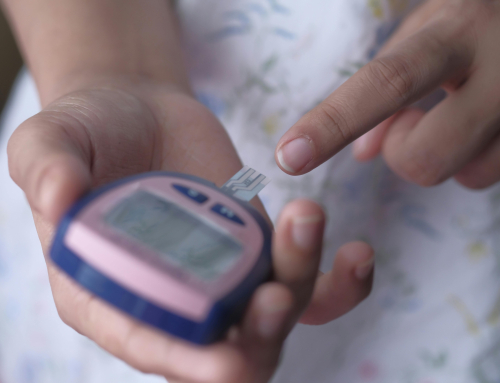
- Keep hands warm – When testing blood sugars with cold hands, you may get inaccurate results. Often the numbers will show up lower than they are. First, hold a mug with a warm liquid between your hands or wash with warm water to elevate the temperature in your hands and fingers.
- Drink calorie-free beverages – It is easier to become dehydrated without symptoms of thirst during the winter. You are generally “not as thirsty” in chilly weather. Dehydration can also lead to higher blood sugars which will make you feel poorly and cause complications. Heat that constantly runs in the house can dry you out quickly.
- Stay active inside – Even though the colder months make you feel like “sitting in front of the fireplace all snuggled up with a good book”, you need to stay active. Find indoor activities such as dance classes, aerobic classes, walk on an indoor track or treadmill, attend yoga classes, attend Silver Sneaker classes, swim laps at an indoor pool, taking swim aerobic classes or even learn indoor tennis or pickleball. You can take all kinds of online exercise classes as well. Climb the steps or march in place in your home during TV commercial breaks.
- Stay active outside – When you are adequately dressed in several warm layers, you can venture outside especially on a sunny day. Be careful since diabetic neuropathy decreases nerve sensations, especially in your feet. Exercise boosts your metabolism and body heat to help you stay warm. Exercise raises your insulin sensitivity making it easier to balance blood sugars. Exercise helps prevent boredom and deals with stress both mentally and physically. On a sunny day, you will even add a touch of vitamin D.
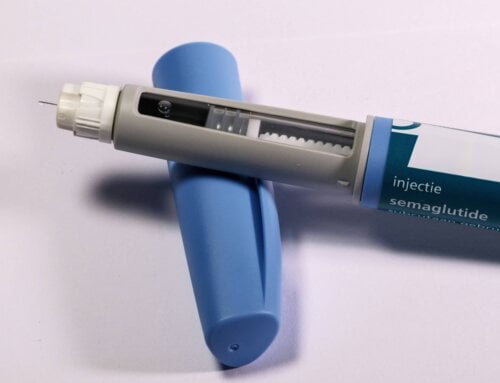
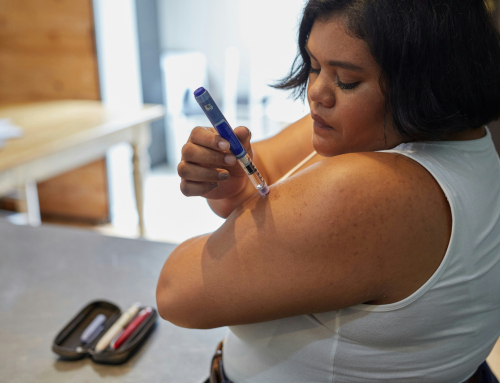
- Safely maintain your diabetes supplies and equipment – Do not allow your supplies to be exposed to extreme cold temperatures as they will not function accurately. Freezing weather can affect your meters, strips, CGM sensors as well as insulin pumps, insulin pens or insulin bottles. Never allow your insulin to freeze. Make sure none of your medication is exposed to wintry weather. Insulin should be maintained at a temperature between 36-46F. Oral medications should be maintained at a temperature between 68-77F. Glucose strips for meter testing should not be exposed or stored below a temperature of 45F. Do not let glucose gels, taken for hypoglycemia, freeze. Never leave supplies or diabetes medication in your car, carport, or garage overnight.
- House temperature – You should keep the indoor temperature between 68-70F to remain both safe and comfortable. Do not push the furnace temperature up too high, which could lead to dehydration as well as dry out your skin and mucous membranes.
- Frequent skin checks – Check the skin on your hands, fingers, feet, and toes more frequently. Evaluate the skin temperature and check the skin color. Be concerned and notify your health care provider if your skin turns pale, blue or white. Your extremities contain small blood vessels. With diabetes, you are more prone to “frostbite.” Frostbite is “a skin injury that occurs when skin freezes due to exposure to extremely cold temperatures.” It can affect any body part but is more common on your feet, hands, ears, ear lobes, nose, and lips. Frostbite can occur when the temperature falls to or below 31F and you remain unprotected outdoors. The pain from frostbite presents as tingling, burning, aching or a “pins and needles sensation.” Frostbite is a serious condition, and it can cause infections and blood clots along with loss of living tissue. Drinking alcohol and smoking cigarettes can increase your risk of frostbite. If you think you are experiencing frostbite, go immediately to the ER, call 911, or visit to an urgent care clinic. Time and treatment matter. Blood vessels narrow and the blood flow to your extremities slows down, impacting the flow to your vital organs. Low blood flow deprives oxygen to your tissues and creates damage, which may become permanent. Because you have diabetes, you are more at risk for blood vessel damage and circulation problems.
- Create an emergency kit – If there is a sudden and unexpected snow or ice storm, always be prepared. Hopefully, you will never run out of needed supplies. Create an emergency kit and update it every 6 months to make sure supplies have not expired. Include glucose gels or tablets for low blood sugars, as well as peanut butter or cheese filled pre-packaged crackers. Add a copy of your picture ID and a copy of your health insurance. Make a list of all your medications and doses as well as a copy of phone numbers of your health care team. Keep extra batteries for your meters or other supplies such as extra sensors for your CGMs or strips and lancets for your meters. Add packets of electrolytes from the pharmacy or grocery store (just add them to water) in case you get a GI bug or stomach upset, which includes vomiting or diarrhea. Include a digital thermometer.
- If you feel sick during the winter – If you are not feeling well, stay home. Sleep 7-8 hours nightly. Try to stay on a sleep schedule even when you are not feeling well. Sleep quality during the winter months may be affected due to a reduction of natural daylight and Circadian rhythms. Treat your symptoms with OTC products made especially for those with diabetes. They will contain less sugar and additives. Blood sugars can jump higher when you are ill. Check with your health care provider to see if you need to make any medication adjustments.
Diabetes needs to be treated and blood sugars need to be monitored all year long, especially during the colder, winter months. Know how to reduce diabetes complications during the winter.
References:
- https://pmc.ncbi.nlm.nih.gov/articles/PMC5707683/
- https://www.piedmont.org/living-real-change/change-in-temperature-can-affect-blood-sugar-levels
- https://www.cdc.gov/diabetes/articles/diabetes-care-emergencies.html
- https://www.healthline.com/health-news/best-foods-winter-immunity?
- https://pubmed.ncbi.nlm.nih.gov/31445598/
- https://www.verywellhealth.com/probiotics-plus-fiber-gut-health-8776590
- https://www.healthline.com/nutrition/how-to-eat-healthy-guide?
- https://www.diabetes.co.uk/diabetes-and-cold-weather.html
- https://weather.com/health/diabetes/news/2024-08-09-manage-diabetes-in-cold-weather-winter
- https://www.medicalnewstoday.com/articles/hidden-hunger-type-2-diabetes-deficiency-vitamins-minerals-may-be-culprit
- https://www.cdc.gov/diabetes/articles/managing-diabetes-cold-weather.html
- https://www.thestar.com/life/health-wellness/why-garlic-oregano-tumeric-rosemary-and-ginger-pack-a-healthy-wallop/article_3ff5b8ec-555c-508f-ba05-f7d9a86c76bd.html
- https://www.abbott.com/corpnewsroom/diabetes-care/5-ways-people-with-diabetes-can-keep-a-healthy-lifestyle-in-the-cold.html
- https://ldi.upenn.edu/our-work/research-updates/extreme-heat-and-cold-put-people-with-type-2-diabetes-at-risk-for-dangerous-health-conditions/
- https://continentalhospitals.com/blog/how-diabetes-patients-can-manage-winter-risks/
- https://type1support.ca/en/how-do-colder-temperatures-influence-blood-sugar-levels/
- https://www.chop.edu/health-resources/controlling-blood-sugar-during-winter
- https://www.nhs.uk/conditions/frostbite/#
- https://www.climate.gov/news-features/event-tracker/historic-january -2025-snowstorm-southern.us
- https://www.healthline.com/nutrition/11-most-nutrient-dense-foods-on-the-planet
- https://pmc.ncbi.nlm.nih.gov/articles/PMC10039694/
- https://www.baystatehealth.org/articles/diabetes-and-the-winter
- https://www.aafp.org/pubs/afp/issues/2020/0401/p440.html










Leave A Comment