

At ADW Diabetes, we try to keep you up to date on new and exciting information in the diabetes world. Our present administration has a goal to focus on Americans with chronic disease and “how to make our general population healthier.” By learning and being aware of what information is new and relevant, you can start your journey to more healthful living. Enjoy!
Common thread studies:
We have known for years that “exercise reduces cardiovascular risk, assists with weight management and improves blood sugar control.” The latest finding is people with pre-diabetes and type 2 diabetes “experience added benefits from exercise when it is done later in the day especially after meals.”
Exercise timing has been studied over the years and the most current information points to “a post meal exercise burst can help manage blood sugars better.” It is still believed that consistent exercise is the most important aspect of any program, but the timing of that exercise has now been studied and verified more accurately.
People with diabetes have a unique metabolic response because of their hormones causing insulin resistance. Exercise is extremely beneficial for those with diabetes. “A lifestyle of proper nutrition, medication (if needed) and pre-planned exercise is paramount for people with diabetes.”
A different, recent study published in The American Journal of Medicine revealed “exercise is most effective at reducing blood glucose and improving insulin sensitivity if done later in the day, especially after meals.” Exercise raises body temperature and blood flow which improves insulin resistance.
According to a recent UCLA-published study, even instituting 5-15 minutes a day, 3-5 times a week of cardio, strength training and flexibility made a significant difference in overall blood sugar levels.
The University of Rome published in the journal Nutrients in April 2024, “People without diabetes have peak or highest glucose levels 30-60 minutes after eating and people with diabetes have peak or highest glucose levels 60-120 minutes after eating”. Benefits for those with diabetes really escalate when you start to move 30 minutes after you eat.
A new study from The University of Grenada, which appears in Obesity “showed that the time of exercise later in the day influences blood sugar patterns and was consistent with both men and women.” Another study published in Diabetologia showed “afternoon or evening exercise for those with diabetes lowers insulin resistance.”
The American College of Sports Medicine “recommends 45 minutes of exercise 30 minutes after meals to improve overall blood sugar control.” The NIH (National Institutes of Health) recommends both aerobics and resistance training for those with diabetes to achieve even better control.
More studies will continue to be done and published. ADW Diabetes will keep you aware of the latest results.
Do Remember:
- Consult your physician before starting any new exercise program or routine.
- If you have diabetes complications such as retinopathy (eye issues), kidney, nerve or heart disease, always obtain medical clearance from your health care specialist monitoring each specific complication before starting exercise.
- Avoid exercise when you have type 1 diabetes experiencing ketones in your blood or urine, or when your blood sugar is already over 250mg/dl.
- Do not exercise when you do not feel well, have a fever or infection.
- Have type 2 diabetes and your blood sugar is 250mg/dl or over.
- Do not exercise if you have an open wound. Make sure it is treated.
- Avoid dehydration which increases blood sugar. Frequently hydrate with plain, cool water.
I’ve heard of Diabetic Hypoglycemia. What is False Hypoglycemia and Reactive Hypoglycemia? Is it also part of diabetes?
Regular hypoglycemia can be a common complication of diabetes, especially in type 1 diabetes or people with type 2 who inject insulin. Hypoglycemia can be serious, since it can lead to seizures, coma or even death if not treated. It is when “one with diabetes does not have enough sugar in the blood stream and the blood sugar drops below 70 mg/dl.”
Other conditions which may mimic hypoglycemia are hypotension or low blood pressure, anxiety or hyperthyroidism. Different people may feel the symptoms of real hypoglycemia at very different blood sugar readings.
Possible reasons for diabetic hypoglycemia:
- Skipping meals or snacks
- Waiting too long between meals
- Taking too much insulin
- Doing too much physical activity
- Drinking too much alcohol
- Not eating enough carbohydrates
Symptoms of diabetic hypoglycemia:
- Dizziness
- Shakiness
- Irritability
- Sweating
- Weakness
- Headaches
- Blurry vision
- Rapid heart rate
- Hunger
- Nausea
- Anxiety
- Difficulty concentrating
- Lip tingling or lip numbness
Generally, with diabetes, 70mg/dl or less is considered hypoglycemia. Hypoglycemia without diabetes is 60mg/dl or less. Treatment consists of consuming 15 grams of carbohydrates in the form of simple sugar such as glucose tablets, glucose gel, 4 ounces of 100% fruit juice or 4 ounces of regular soda. Wait 15 minutes, re-test and re-treat if necessary.
If hypoglycemia occurs outside of regular mealtimes, eat a snack with 15 grams of carbohydrate and a protein source. An example would include 2 whole grain crackers with a tablespoon of peanut butter or slice of cheese.
Without diabetes, the liver “will automatically release stored glucose into the body to help push up blood sugars back to normal” without experiencing symptoms.
What is Reactive Hypoglycemia?
Reactive hypoglycemia is also known as “post prandial hypoglycemia”. It is usually related to insulin resistance, which means you produce and have insulin, but it is not working correctly. This may indicate pre-diabetes or the beginnings of developing type 2 diabetes.
It occurs after eating since it “responds to food with dumping a large amount of insulin that causes a rapid drop in blood sugar”. It can affect those with or without diabetes and usually occurs 2-4 hours after eating. The reason for reactive hypoglycemia is not always clear.
It could be caused by a kidney disorder, advanced cardiac or liver disease or because of H-pylori (infection) gastritis. Reactive hypoglycemia may also be related to hormone disorders such as Addison’s disease or growth hormone deficiency. Bariatric surgery may be the cause.
Reactive hypoglycemia is more common if you are overweight which is seen frequently with type 2 diabetes. Even eating too many sugary foods, junk foods, processed foods or drinking too much alcohol or sugary sodas and fruit drinks may cause reactive hypoglycemia.
Symptoms are like diabetic hypoglycemia and include:
- Shaking
- Brain fog
- Rapid heartbeat
- Hunger
- Dizziness
- Sweating
- Severe headache
- Irritability/anxiety
- Feels like you have a “hangover”
Reactive hypoglycemia is often referred to as a “sugar crash.”
How is Reactive Hypoglycemia treated?
Always start with a medical evaluation to see if a direct cause can be found. Usually, a MMTT (mixed meal tolerance test) is performed, as well as an A1C (3-month blood glucose average).
Ways to prevent Reactive Hypoglycemia:
- Eat several small meals a day, waiting about 3-4 hours between meals.
- Get regular aerobic exercise.
- Always eat when you are drinking alcohol. Limit total alcohol intake. “Moderate drinking is considered 6-7 drinks a week. Heavy drinking is anything more.”
- Avoid eating sugary and processed foods and drinks.
- Eat more fiber and include a variety of protein.
What is False or Pseudo Hypoglycemia?
False or Pseudo Hypoglycemia is when “you experience the symptoms of low blood sugar, but your blood sugar is 70mg/dl or over, which is in the normal range.” It mimics an anxiety or panic attack with symptoms of shakes, sweats, nervousness or a feeling of impending doom.
It can happen to people with or without diabetes. It feels like flight or fight syndrome, but your blood sugar remains normal. Most people who suffer with this sensation “feel better after eating something, even though their blood sugars are not considered low.” Some people do not feel any better or different after eating.
The causes of False Hypoglycemia may be due to:
- Dehydration
- Vascular blood flow issues
- Underlying autoimmune disease such as Lupus, Grave’s disease or rheumatoid arthritis
- Taking new medications such as beta blockers
- Taking certain supplements
- Blood disorder such as leukemia
How do you know if it is False Hypoglycemia?
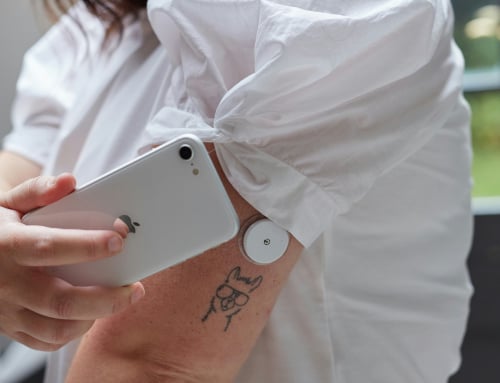
Talk to your health care provider about your symptoms and see what they say. Testing your blood sugars with a glucose meter or wearing a (CGM) can immediately show you” the numbers are in the normal range” even though you may feel funny or low. The treatment is similar to other types of hypoglycemia.
- Eat small, frequent meals
- Avoid simple sugars in foods or drinks
- Include high quality carbohydrates in small amounts in each meal
Why do older adults have more side-effects from OTC (over the counter) medications? Do people with diabetes have more side-effects from OTC medications?
There are almost 200,00 adverse OTC drug events associated with hospitalization every year, with older adults being the most vulnerable. Over 50% of adverse effects related to OTC medications affect the elderly population, most often when OTC medicines are taken for pain or sleep.
As we age, our body goes through various physical changes, and we each handle medications differently. We may require smaller doses, more time between doses or an actual change in OTC medicine. It may be related to reduced liver or kidney function. This increases the time the drugs remain in your body.
Remember OTC medicines can be taken without a prescription. That does not mean they are necessarily less potent or safer than your prescription drugs. Taking them along with your prescription meds can cause even more negative interactions.
When you plan to take OTC products, first consult with your pharmacist, then monitor your blood sugars, stay hydrated, watch dosage guidelines and look for products with single ingredients. Also look for products without sugar. This may prevent many complications and OTC side effects.
Remember:
OTC meds are generally considered safe but always consult with your physician, especially if you are elderly or have diabetes. Check to see if they interact with your prescription heart and diabetes meds. Diabetes medications may interact poorly with OTC meds. Always list and make your health care provider aware of all OTC meds you are taking, along with the dosage.
You may consider using a smartphone app where you can keep track of all your medications, both prescription and OTC. This will be safer for you by having all the information available in one place.
Here are some of the most common OTC medicines taken:
NSAIDS
These include OTC pain relievers such as Aleve, Advil, Aspirin and Motrin. Be especially careful or fully avoid them if you are on blood thinners, have uncontrolled diabetes or hypertension. They may cause “dizziness, drowsiness, confusion, constipation, bleeding, low blood pressure, or delirium”.
They are filtered by your kidneys which may already be more at risk for problems when you have diabetes. NSAIDS may also interfere with diabetes drugs which may cause either hyperglycemia or hypoglycemia.
Should you take Tylenol instead?
Tylenol should be avoided if you have any liver disease or if you drink alcohol. According to a study published in The Journal of Geriatrics “elderly people with diabetes who take Tylenol have a higher risk of stroke than elderly people without diabetes.” Consult your physician to discuss your best option for pain and fever relief.
Which are other common OTC medications?
Benadryl can be taken for allergies but should not be used “as a sleeping aid.” It may cause sleep disturbances and memory loss. Benadryl can also cause dry mouth and constipation. It should be avoided with diabetes. Zyrtec, Claritin, Flonase and Allegra are newer medications and tend to cause less side-effects, especially for those with diabetes.
Look for sugar-free products when taking decongestants and antihistamines as they tend to always contain sugar causing hyperglycemia. Talk with your health care provider or pharmacist.
Mucinex is often taken for chest congestion since it loosens mucus and makes it easier to cough it up. It works as an expectorant to clear the airways. It may cause heart-beat irregularities, dizziness, nausea and vomiting, confusion and trouble sleeping.
Watch which formulations you should take since the liquids tend to contain added sugar. Instead, look for Mucinex HBP or Mucinex sugar-free cough drops.
Antacids, Pepto-Bismol. This OTC medication coats the stomach from acid, but it can interfere with diabetes medications because it contains salicylate. Do not take it if you are on Metformin or insulin.
Other acid reducer OTC meds. These medications are one of the 10 most used OTC drugs in the world. PPIs (Proton pump inhibitors) include Prilosec, Nexium, Prevacid. These all reduce stomach acid production and symptoms of heartburn. PPIs are really intended for “short term use” but most people stay on them for years.
Since it interferes with calcium absorption this can cause bone destruction, bone loss and fractures. Side-effects also include diarrhea, changing the gut microbiome, developing C-diff and becoming low in magnesium. It increases the risk of developing pneumonia.
Some studies have suggested that “long term use of PPIs may cause diabetes” while others say, “PPIs offer people with diabetes better control.” Also, PPIs may interfere with Metformin, a popular medication taken for diabetes.
Always talk to your health care provider before taking or changing your medications. You may consider taking Tums, Rolaids or a H2 blocker like Pepcid, before starting a PPI.
OTC products such as saline nasal spray and nasal wash may be tolerated better than Nyquil, Dayquil or Sudafed. Always share with your physician before you start anything new, even OTC medication.
Why do people with diabetes often have a salty or metallic taste that lingers in their mouth?
Having diabetes can put you at greater risk for developing a salty or metallic taste. Up to 17% of US adults have a taste problem. At birth, we have about 10,000 taste buds but after age 50, we start to lose them. There are 5 basic tastes: sweet, sour, bitter, salty and “umami” or savory.
A change in taste can have a negative effect on your health, your weight and quality of life. When you can’t detect any taste, it is called ageusia. Hypogeusia is when your ability to taste is reduced. Having a distorted taste is called “dysgeusia.” Dysgeusia may also be a sign of diabetes, stroke or heart disease.
It can cause you to have change in your eating habits which could affect your diabetes control. It may make you eat more and gain weight or eat less and lose weight. People who have a taste disorder are more at risk for developing gum disease or dental cavities.
How are taste disorders diagnosed?
- Physical examination and detailed history
- Blood tests
- Taste threshold tests
- X-rays, CT scans or MRIs
There are multiple reasons why people with diabetes are more prone to taste distortion.
- Xerostomia. Dry mouth is more common as we age and in those with diabetes. “The salivary glands do not make enough saliva to keep your mouth moist.” Elevated blood sugars dry out your mouth. Dry mouth can cause you to have a constant salty, rancid or metallic taste.
- Electrolyte imbalance. When there is an imbalance of sodium and water in your system, your saliva becomes rich in “salty minerals” leading to a strange taste.
- Neuropathy. Nerve damage can occur any place in the body, even in the mouth, which may disrupt your taste. Neuropathy is a complication often seen in people with diabetes.
- Dehydration. High blood sugars can dehydrate you making your mouth sense a “salty and sticky” taste. Profuse sweating, certain illnesses including diarrhea and vomiting can also result in dehydration.
- Periodontal disease. Dental and gum issues are more common with diabetes, and this can alter your taste. Gingivitis causes damaged tissue which may be one reason for a change of taste. Blood in the mouth from brushing and flossing (due to periodontal disease) can lead to a salty, foul, rancid or metallic taste.
- Nutrient deficiencies. With or without diabetes, a dry metallic taste in the mouth may be caused by nutrient deficiencies. It could be due to a lack of vitamin B12, zinc, vitamin C or folic acid. To avoid these nutrient deficiencies, eat eggs, turkey, salmon, lentils, kale and chickpeas. These foods should not raise your blood sugar if eaten in portion size.
- Medications. Medication such as anti-depressants, chemotherapy, sedatives, OTC pain relievers, diuretics, antibiotics, antihistamines and certain diabetes medications can give you dry mouth and an “unpleasant taste.”
- Acid reflux. The lower valve or sphincter of the esophagus may be weak which allows stomach acid back into the esophagus. This creates a funny metallic/salty taste. Acid reflux is more common with type 2 diabetes since many patients are overweight or obese.
- Mouth breathers. Many people with diabetes have sleep apnea which can intensify mouth breathing, dry throat and a “funny taste in the mouth.”
- Eating salty foods.
- Postnasal drip. A postnasal drip from colds, allergies, a sinus infection or a chronic sinus problem can change your taste since there is mucus constantly draining in your mouth and throat.
- Colds, flu or COVID-19.
- Kidney disease or liver disease. These conditions are more common with diabetes.
- Burning mouth syndrome. Your mouth and tongue may have a “continuous burning sensation without an actual cause.” It is more common in older women and may be caused by hormone (estrogen) imbalances. It is also more common with diabetes, especially when blood sugar is high. This allows for more mouth infections which can change the taste in your mouth.
- Radiation therapy. To head or neck region for cancer treatment.
- Head injuries. Brain trauma can distort taste.
- Poor oral hygiene.
- Tobacco. Chewing or smoking tobacco.
- Neurological disorders. Parkinson’s ,MS or Alzheimer’s.
- Autoimmune disorders.
- Wearing dentures or other appliances in your mouth.
- Aging.
Things to do to help with changes in your taste:
- Quit smoking and drinking alcohol.
- Limit caffeine.
- Avoid greasy or spicy foods.
- Avoid sugary and salty foods.
- Suck on ice chips or sip cool water throughout the day to help with hydration.
- Chew sugar-free gum or suck sugar-free mints.
- Keep blood sugar under control.
- Avoid foods in combination such as casseroles or stews. The flavors will not be distinctive and may change the taste.
- Use saline nose spray to keep nasal passages moist.
- Put a humidifier in your bedroom to keep the air moist.
- Practice good oral hygiene. Use an electric toothbrush twice a day and floss. Consider an alcohol-free mouth rinse.
- Visit your dentist or periodontist as recommended.
- Foods that may mask a metallic taste are sour foods including pickles, foods made with vinegar and citrus foods.
- Get rid of metallic utensils and use plastic, wood, glass or ceramic in the kitchen.
- Use ceramic pots and pans instead of metal ones.
There are many new things to learn in the world of diabetes! We will keep you updated. Keep reading!
References:
- https://pmc.ncbi.nlm.nih.gov/articles/PMC10182965/
- https://www.eatingwell.com/when-to-exercise-for-optimal-glucose-control-after-meals-8634921
- https://www.colgate.com/en-us/oral-health/diabetes-and-other-endocrine-disorders/salty-taste-in-mouth-diabetes-complications-and-remedies
- https://www.nidcd.nih.gov/health/taste-disorders
- https://www.medicalnewstoday.com/articles/321202
- https://www.nlm.nih.gov/
- https://www.healthline.com/health-news/working-out-in-the-afternoon-or-evening-may-help-control-blood-sugar
- https://www.webmd.com/a-to-z-guides/reactive-hypoglycemia
- https://www.verywellhealth.com/what-to-know-about-reactive-hypoglycemia-1087744
- https://www.gestationaldiabetes.co.uk/false-hypos
- https://www.everydayhealth.com/wellness/salty-taste-in-mouth/
- https://diabetes-m.com/blog/news/over-the-counter-otc-medications-to-avoid/
- https://www.verywellhealth.com/otc-drug-saftey-older-adults-8422978
- https://www.mayoclinic.org/diseases-conditions/diabetic-hypoglycemia/symptoms-causes/syc-20371525
- https://gwhospital.com/about/blog/best-time-exercise-if-you-have-diabetes/








Leave A Comment