

It is well known that simple lifestyle changes can maintain your health and help manage your blood sugars. Blood sugar control equals fewer diabetes long-term complications and less overall health problems. Learn how to take better care of yourself with some simple steps. Find out these fast facts:
There are specific known blood tests that predict heart disease especially in women. Diabetes in combination with heart disease can be lethal.
A recent study published in The New England Journal of Medicine, with data taken from approximately 28,000 women, “showed blood testing for CRP, LDL cholesterol and Lp(a) may predict your risk of stroke, heart attack or other cardiovascular events.”
60 million women living in the United States have existing heart disease. This makes heart disease the leading cause of death in women, especially when they also have diabetes.
These 3 blood tests are called biomarkers.
What are biomarkers?
“Biomarker blood tests measure the levels of certain proteins, genes or other molecules in a blood sample to assess a person’s health.” Biomarkers can detect disease, predict risk and guide treatment. The earlier in a woman’s life that heart screening begins, including these biomarker blood tests, the fewer cases of heart disease will be diagnosed as a woman ages, even when they have diabetes.
The 3 Recommended Blood Tests:
1. CRP & hs-CRP
C-reactive protein is a protein produced by the liver in response to the body’s inflammation. There is a regular CRP blood test and a hs-CRP which is a highly sensitive CRP blood test.
What is inflammation?
Inflammation “is a normal part of your body’s healing response to injury.” It can be protective, but long-term and persistent inflammation damages our bodies on a cellular level. Chronic inflammation is common with:
- Cancer
- Heart disease
- Diabetes
- Kidney disease
- Autoimmune disease
- Neurodegenerative disease
- Alzheimer’s disease
- Crohn’s disease
Getting a high sensitivity or hs-CRP blood test can reveal a “proven measure of silent body inflammation or heart disease.” You normally have low levels of CRP in your blood but your liver releases more of it as your body’s inflammation increases.
Chronic bodily inflammation can also be caused by air pollution as well as smoking or breathing other toxins from the environment. A CRP can tell you how much inflammation you have but not the exact cause.
What is a high-sensitivity CRP test? A high sensitivity or hs-CRP is used specifically for inflammation related to heart disease. It can also detect inflammatory proteins at lower levels. “A study showed that elevated levels of CRP were linked to a 3 times greater risk of a heart attack.”
Women who had the highest levels of CRP, LDL cholesterol and Lp(a) had the greatest risk of a cardiac event. The hs-CRP is usually repeated twice for added accuracy.
Guidelines:
hs-CRP- < 1 mg/L = low risk of heart disease
hs-CRP-1mg/L -3mg/L= moderate risk of heart disease
hs-CRP->3mg/L =high risk of heart disease
What causes CRP levels to go up?
Acute inflammation is from a cut, an injury or an infection. This inflammation is a normal body response that helps you heal and is temporary. This is not considered chronic inflammation.
Chronic levels of inflammation go up because of factors such as obesity, high blood pressure, elevated cholesterol, smoking, genetics, inactivity or autoimmune diseases like Lupus or rheumatoid arthritis, or overuse of antibiotics or NSAIDS like Aleve, Advil or Ibuprofen.
Cell damage from these factors “causes your body to release chemicals that trigger an immune system response to repair the damage.”
What are symptoms of chronic inflammation?
- Insomnia
- Joint pain
- Fatigue
- Frequent infections
- Mood disorders including anxiety and depression
- Acid-reflux, constipation or diarrhea
Can you lower your risk of chronic inflammation?
Yes, by creating lifestyle changes such as exercising, reducing or eliminating alcohol, eliminating nicotine, and eating high fiber foods such as beans, legumes, flax seeds, chia seeds, nuts, salmon, avocados and all fruits especially with vitamin C.
Also eating red or purple grapes, drinking green tea, eating pre-biotic foods like onions, asparagus, leeks, garlic and sweet potatoes. Eating the probiotic foods kefir, yogurt or sauerkraut may also help. Maintain a healthy body weight, practicing stress management and establishing a good sleep schedule.
2. LDL
This is “low density lipoprotein” cholesterol and is a simple blood test giving you information about your risk of heart disease. LDL is a waxy fat-like substance found in all cells of your body.
Too much LDL causes plaque build-up that hardens and narrows the blood vessels and may block blood flow, causing atherosclerosis. The liver makes LDL and red meats like beef, lamb or pork and full-fat dairy foods raise it.
LDL is affected by smoking, poor diet choices including processed and ultra-processed foods, refined grains, empty added sugars, being overweight, low activity levels, poor quality and a short length of sleep, genetics, age/sex and medications like diuretics and older beta-blockers.
Inflammation can make LDL denser and stickier, leading to higher blood vessel damage and more heart disease risk.
Guidelines for LDL levels:
Optimal < 100mg/dl
Borderline high – 130-159 mg/dl
High – 160-189 mg/dl
Very high – 190mg/dl or above
3. LP(a)
Another biomarker blood test that should be done to check your heart disease risk, especially with diabetes, is LP(a). It is like LDL cholesterol but stickier and more accurate as a risk for heart disease. Lipoprotein(a) is a “genetically determined blood fat that leads to heart disease.”
There are no symptoms when it is high, and it is passed down through families. Lp(a) is “purely genetic” and it can’t be influenced or reduced by a proper diet or exercise. Statins do not help lower LP(a), but they do reduce overall cardiac risks. You still need to eat a healthy diet, take medications as recommended, monitor blood pressure and exercise.
New drugs are in the pipeline specially to target LP(a) levels. A normal LP(a) is 30 mg/dl or less. “A LP(a) of 50 mg/dl or more increases the risk of a heart attack, stroke, peripheral artery disease (PAD) or aortic stenosis. This test may or may not be covered by insurance. Check with your insurance plan before the blood test is drawn.
According to Dr. Paul Ridker, MD, MPH, “lowering a women’s biomarkers of CRP, LDL and LP(a) may prevent heart disease from occurring up to 30 years later.” If these values are not measured, then we don’t know what they are, and we can’t begin to treat them. Starting early prevention when we have knowledge is a key step especially for women with diabetes.
What can and should be done if these 3 tests are elevated?
- Statins are prescribed. Discuss side-effects with your physician or pharmacist.
- Review your family history of heart disease with your physician.
- Sleep apnea needs to be diagnosed if it exists so it can be treated.
- Inflammation lowering drugs like Colchicine, may be started. Discuss your personal situation with your health care provider.
- A dietitian with a strong knowledge of diabetes and heart disease should be recommended.
- Quit smoking.
- Eliminate or reduce alcohol.
- Lower and control blood pressure.
- Lower and control emotional stress.
- Begin an exercise routine.
- “New drugs” are in the works for LP(a) elevation which is unrelated to lifestyle changes.
- Imaging tests such as a coronary CT angiogram with dye may be recommended.
- Coronary calcium test may be ordered.
- EKG and echocardiogram may be ordered.
- Nuclear stress or regular exercise stress tests may be ordered.
Heart disease risks start early in life, and you should not wait until your 60s-70s for an evaluation or late treatment, especially with diabetes. Early detection and prevention should begin in your 30s-40s to help reduce severe complications of heart disease, the leading cause of death with diabetes.
Should I take a baby or low dose aspirin for heart health after a cardiac event such as a heart attack, stroke or placement of a heart stent?
First and most importantly never start taking any medication, even aspirin or baby aspirin, prior to consulting with your own health care provider. Aspirin can cause bleeding. It is “known that low dose OTC aspirin therapy can play a role in lowering heart attack or stroke” but it still may not be right for everyone.
What is low-dose or baby aspirin therapy?
It is recommended for many to take a baby aspirin 81mg or low-dose aspirin (not a full 325mg) to help reduce their risk of a stroke or heart attack, after having documented heart disease. Inflammation is implicated in the formation of diabetes, and this increases the risk of blood clots.
People with diabetes are 2-3 times as likely to experience a cardiovascular event like a heart attack or a stroke. High blood sugars lead to damage in the blood vessels and the nerves associated with them. People with diabetes are twice as likely to die from heart disease or a stroke compared to those without diabetes.
Heart disease is responsible for more than 2/3 of deaths in those with diabetes older than 65. “Currently, daily low dose aspirin is recommended for people with diabetes who have a history of heart disease. “Aspirin reduces the activity of platelets, part of the blood cell involved in clotting.”
The usual aspirin dose for a fever, headache, or muscle pain is 325-650mg or one or two full dose tablets or capsules. The low dose amount is 81 -162mg.
According to a study published in 2021 by The American College of Cardiology Scientific Sessions, “81mg of aspirin works fine and can lower the risk of internal bleeding as compared to a regular 325mg aspirin.” Baby aspirin can thin blood.
People with chronic diseases like diabetes have an elevated risk of forming blood clots. Blood clots cause embolisms, strokes and heart attacks. Low dose aspirin “helps prevent clots by stopping a chemical cyclooxygenase (Cox-1) that causes blood cells to clump together.” This reduces blood stickiness, and it becomes less likely to form a clot in your heart, brain, leg or lung.
Are there risks involved with taking even a baby aspirin?
- It may increase your risk of nosebleeds or bleeding from your gums.
- It may cause stomach ulcers. Aspirin can disrupt the mucus production in the stomach that protects the stomach lining from acid.
- There may be an increased bleeding risk after an injury or surgery. If you take a baby aspirin, you may need to stop it a week before surgery or a procedure. Consult with your surgeon or physician.
- Taking baby aspirin or regular strength aspirin may cause GI bleeding, brain bleeding, kidney damage or allergic reactions.
- Watch out for bleeding. Watch for coughing up blood, vomiting blood, blood in your stools, especially if you are on a combination of aspirin and other blood thinners.
Will I be recommended to take baby aspirin if I have diabetes?
This will depend on your physician’s recommendation and your own personal situation. The benefits must outweigh the risks. Guidelines vary by professional organization.
“It is usually recommended for those under 60 who have diabetes and another cardiac risk factor.” It is also recommended for older people with diabetes, who do not have an increased risk of bleeding. Usually a low-dose aspirin is recommended. Learn which drug interactions may occur if you do begin an aspirin regimen.
How To Handle The Sweet Seasons – Halloween, Thanksgiving, Christmas, New Year’s, Valentine’s Day, Easter
With the holiday season upon us starting with Halloween, followed by Thanksgiving, Christmas, Valentine’s Day and Easter, you are surrounded by candy, sweets, baked goods and a slew of many other temptations. You know candy and other sweets are considered a “treat” and not a necessity, especially when you have diabetes.
Although you can certainly have a “now and then treat” you do not want to celebrate with one daily. Your blood sugars and weight will both suffer.
Let’s examine some practical and easy strategies to get us through the holiday sweet season.
- Store your candy in the freezer or in the back of your pantry. Do not encourage easy access to the candy, so that you are constantly faced with temptation.
- Plan, plan, plan. A “treat” is just that and should not become a daily splurge. A “treat” is something special eaten at a specific time. Do not eat out of a habit, boredom or as a reward system. Truly eat it with enjoyment and thought and savor it. Eating a certain treat can conjure up memories of childhood, be part of a family tradition or annual celebration.
- Choose your “treat” wisely. Make sure you pick something you consider special and yummy. Do not waste it unless it will satisfy you. Try to make sure it is “healthier” than most empty sweet foods that you would eat as a “treat.”
- Do not overthink it.
- Stick to smaller or mini sized treats to help you prevent overeating.
- Make your own mini bags of treats if expenses are an issue (individual packing costs more).
- Always plan your treat around your meals and healthful food choices.
- Desserts or treats should not be eaten on a daily basis.
- Stay away from “pure sugar candies” when possible. They offer no nutritional value and enter your blood stream quickly. These candies make it difficult to stop the cycle of craving sugar, since they are pure sugar.
- “People with pre-diabetes or diabetes should generally keep their overall added sugar consumption low, usually under 10% of daily calories” according to the American Heart Association.
- Consider creating “your own treats” so you know all the ingredients.
Are there any better-quality choices?
Many candy choices contain lots of added sugar, additives, partially hydrogenated oils, artificial colorings, artificial flavorings, food color, or high fructose corn syrup. You may want to choose higher quality, nutritional products.
- Endangered Species dark chocolate bites. They are low in sugar at just 3 grams per serving, have fiber and a high level of cocoa. Research shows that “regularly eating a small amount of dark chocolate may help lower your risk of heart disease and stroke.” Remember to eat a serving size since even dark chocolate contains saturated fat which can be harmful to your heart, according to the American Heart Association. Also, once you start eating chocolate “you secrete increased levels of dopamine and serotonins, the feel good hormones that make you automatically crave more.” Endangered Species brand “contains no artificial flavors or ingredients.” There are no additives or fillers. The fruits such as blueberries, cherries, cranberries and raspberries are American grown as well as the nuts hazel nuts, peanuts and almonds. They come in grab and go sizes as well as large bars. Read the label for proper portion/serving size and stick to it. Remember the darker the chocolate, the higher the cocoa amount and the higher the cocoa amount, the more heavy metals it may contain.
- Second Nature Trail Mix’s and Medleys. The ingredients are high quality. Most blends are sodium free and there are no artificial ingredients added. They are mostly nut blends, dark chocolate chunks and high-quality pieces of dried fruit. Most are about a ¼ cup per serving size. Measure it out so you can visualize what a ¼ cup looks like. Pour it into the same cup or bowl each time so you can just estimate a reasonable amount.
- Charm Blow pops or Tootsie Roll pops. A great treat is a lollipop filled with something inside. Here you can choose between a tootsie roll or bubble gum. Each snack requires that you spend a long time eating it with a treat at the end. They are low in fat and one lollipop is considered a serving size with no pre-measuring needed. They are between 70-100 calories per serving.
- Self-made, hand dipped chocolate with fresh fruit like bananas, strawberries or pineapple chunks. It is easy to do. Melt high quality dark chocolate in the microwave and combine with fruit. It is a fun and festive thing to do during the holidays. Make bite size servings so you don’t overdo it. Keep them ready in the freezer. You can also dip them in seeds or chopped nuts for added protein and fiber.
- Homemade pumpkin chia pudding. Add 2 tablespoons of chia seeds to a cup of unflavored almond milk. Mix in 2 tablespoons of canned, no sugar added pumpkin, a pinch of pumpkin spice and a pinch of cinnamon. Store in the refrigerator for at least 2 hours or overnight. Put a dallop of plain Greek yogurt and some crushed almonds or walnuts on top before eating. Tastes like “fall.”
- Plain Greek yogurt parfait made with berries, pumpkin seeds and chopped peanuts. High in protein, high in fiber and healthy fats and a treat which will satiate you with natural sweetness from the fruit.
What are the 2024 updated stroke guidelines?
Stroke remains the 5th leading cause of death in the US annually. “16 % of adults over 65 with diabetes, die from a stroke. Diabetes patients have 2/3 times higher risk of stroke incident compared with non-diabetes patients.”
A stroke occurs due to a blockage in the blood supply to your brain or a rupture in your brain blood vessels. Stroke symptoms include numbness, weakness in your arm, leg or face, trouble speaking, vision problems, sudden dizziness or a severe, quick onset, and headache.
If any of these symptoms happen call 911 immediately. For the first time since 2014, The American Stroke Association updated its stroke guidelines. They clarified, “what needs to be done to lower stroke risk by 80%.”
- Screen patients for high blood pressure, elevated cholesterol, obesity and high blood sugar, routinely. Start earlier if there is a family history.
- Females have a set of added unique risk factors which are now being considered separately. These include taking oral hormonal birth control contraceptives, experiencing pregnancy complications, early onset menopause (late 30s and early 40s), hormone replacement therapy taken after menopause, hormone replacement therapy taken for more than 5 years, or a history of having PCOS (polycystic ovarian syndrome) or endometriosis. Add diabetes to this list and your stroke risk goes up even more.
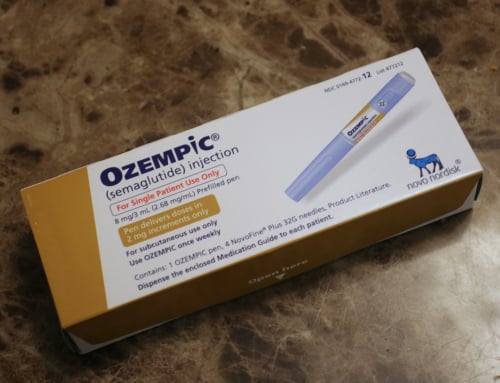
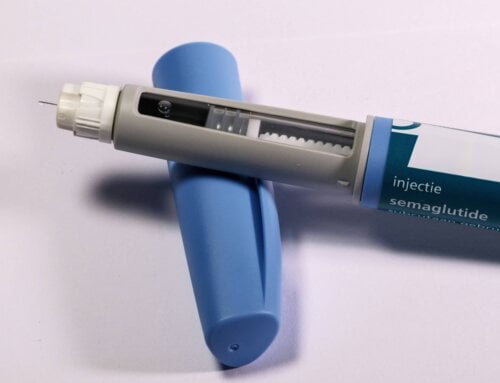
- GLP-1-agonists are suggested and being used more often now to help lower heart and stroke risks in those with diabetes who require weight loss or who have hypertension. Injections including Zepbound, Wegovy, Ozempic, Mounjaro or Trulicity are now considered “beneficial for cardiovascular health” with or without diabetes.
- “Evaluating your genetics, lifestyle, biological factors, lack of walkability in your community or no access to healthy food”, can play a role in your stroke risk.
- Emphasized in the newly updated guidelines, they call for a healthy, more plant-based diet, and eating whole foods. Try avoiding ultra-processed or processed foods, refined grains, added sugars and excess alcohol.
- Exercise is crucial to lowering stroke risk. Maintaining a healthy, reasonable weight with no excessive body fat percentage, getting enough quality sleep and reducing mental stress by using coping techniques can all aid in lowering the risk of stroke.
There are over “800,000 strokes in the US yearly” according to the CDC. These latest guidelines from The American Stroke Association coincide with The American Heart Associations “Life Essential 8” which also promotes preventative heart health. Education and public awareness are needed to help control this overwhelming and dangerous condition.
Changes can and need to be made by learning some fast facts to get you back on track to prevent future problems with your diabetes.
References:
- https://www.health.com/most-americans-unaware-heart-health-numbers-8606759
- https://www.drugs.com/paxlovid.html
- https://www.healthline.com/health/diabetes/aspirin-diabetes
- https://www.ajmc.com/view/baby-aspirin-is-enough-to-protect-the-heart-study-finds
- https://www.healthday.com/health-news/nutrition/six-in-10-americans-have-unhealthy-pro-inflammatory-diets
- https://www.heart.org/en/health-topics/cholesterol/genetics-conditions/lipoprotein-a
- https://www.lipid.org/sites/default/files/elevated_lipoprotein_a.pdf
- https://www.mayoclinic.org/tests-procedures/c-reactive-protein-test/about/pac-20385228
- https://medlineplus.gov/ldlthebadcholesterol.html
- https://pmc.ncbi.nlm.nih.gov/articles/PMC402536/
- https://www.secondnaturesnacks.com/
- https://www.businessinsider.com/unhealthiest-halloween-candy-2017-10
- https://www.everydayhealth.com/heart-health/low-dose-aspirin-therapy/
- https://www.uspreventiveservicestaskforce.org/uspstf/recommendation/aspirin-to-prevent-cardiovascular-disease-preventive-medication
- https://www.everydayhealth.com/diet-nutrition/diet/best-and-worst-candies-for-your-health/
- https://share.upmc.com/2021/08/desserts-for-people-with-diabetes/
- https://www.healthline.com/health/type-2-diabetes/dessert
- https://diatribe.org/lifestyle/halloween-diabetes-navigating-holiday-safely
- https://medlineplus.gov/ldlthebadcholesterol.html
- https://www.healthline.com/health-news/stroke-prevention-tips-american-stroke-association
- https://www.webmd.com/a-to-z-guides/c-reactive-protein-test
- https://www.webmd.com/dvt/dvt-treatment-tips-for-taking-heparin-and-warfarin-safely










Leave A Comment