
Key Takeaways
- Most fruits and vegetables rank low on the Glycemic Index food list.
- Some of the best fruits for diabetes-friendly diets include berries, grapefruit, apples, and pears.
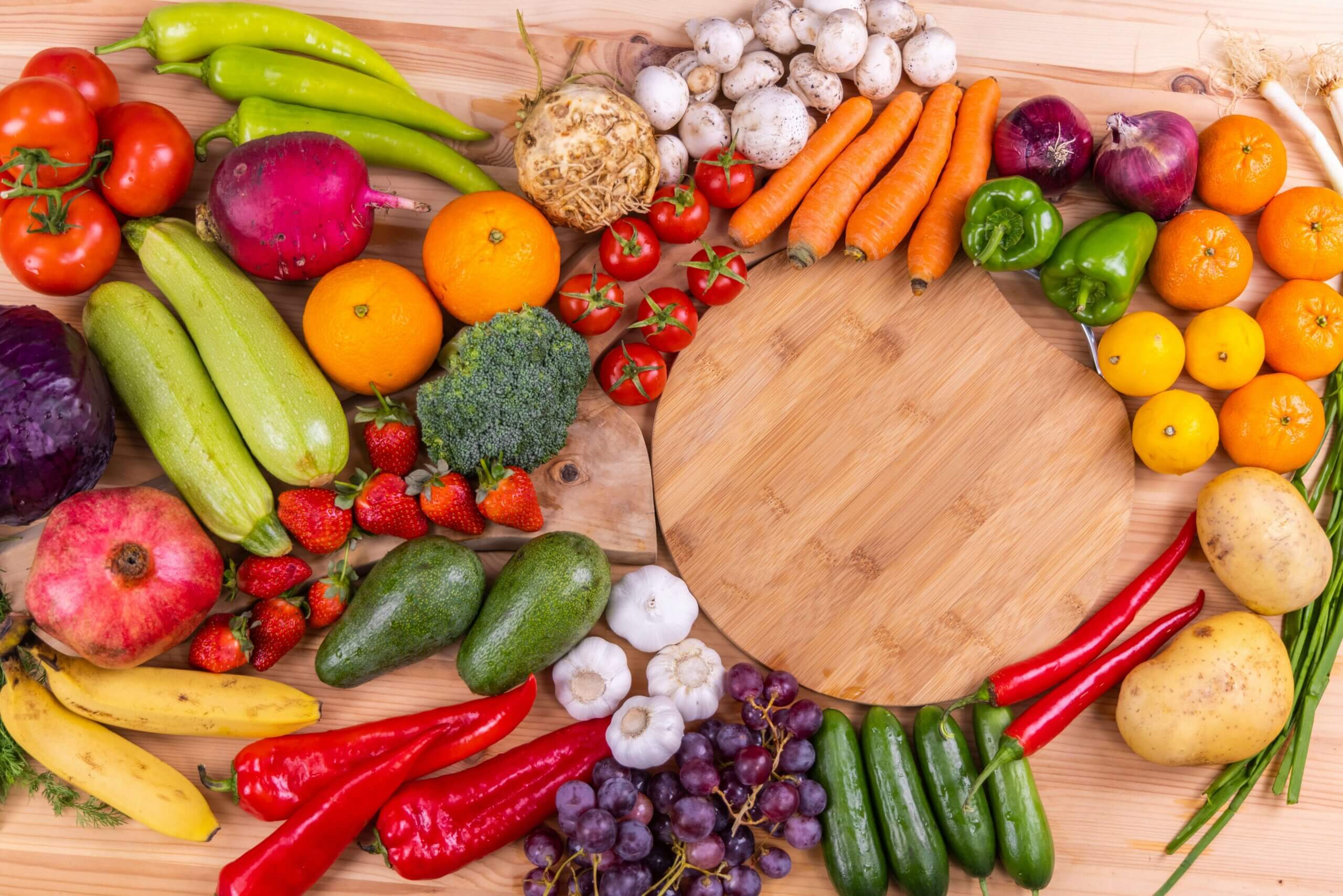
- Some of the best vegetables for diabetes-friendly diets include greens, green beans, broccoli, cauliflower, cucumbers, celery, mushrooms, and bell peppers.
Gardening fruits and vegetables is a wonderful way to enhance your diabetes-friendly diet and pick up a rewarding hobby at the same time. Plus, you’ll save time and money by having access to fresh food at home.
Choosing the right produce for your diet can be tricky. We’re here to help! In this blog, we’ll explain the benefits of low glycemic fruits and vegetables and recommend which ones to prioritize.
Here’s why you should consider developing a green thumb as part of your diabetes management plan!
Why Grow Low Glycemic Produce?
The Glycemic Index (GI) is a helpful resource that ranks foods from 0 to 100 based on how rapidly they affect blood sugar levels. Foods with low rankings have a minimal impact and should be incorporated into a diabetes-friendly diet; foods with higher rankings have a stronger impact and should be avoided.
Most fruits and vegetables are low on the Glycemic Index food list. And, not only do low glycemic fruits and vegetables not impact blood sugar levels as severely as other foods, but they’re also packed with essential vitamins and nutrients. Simply put, growing low glycemic produce is the perfect way to supplement your diet and keep your levels balanced.
Low Glycemic Fruit Suggestions
 Before you start gardening fruits and vegetables, form a plan. In order of GI scores, here are some of the best fruits to consider.
Berries
GI Score: 25 or below
What is the lowest glycemic fruit?
Berries! Cherries, strawberries, raspberries, and blackberries all have a GI score of around 25. Blueberries rank slightly higher at 53, but they’re still a great option. Berries are high in immune system-boosting antioxidants and easy to grow at home.
Grapefruit
GI Score: 25
An excellent choice for anyone seeking low glycemic fruits and vegetables, grapefruit has a low GI score of 25. Note that grapefruit can interfere with some medications, so talk to a health care professional if you have any questions.
Apples
GI Score: 30-50
If you have the yard space, an apple tree can be an incredible resource that produces versatile apples year after year. GI scores vary by apple variety.
Pears
GI Score: 30-50
Much like apples, pears are low on the Glycemic Index food list and can be incorporated into a wide range of recipes.
Bananas
GI Score: 30-75 (depending on ripeness)
Is banana a high glycemic fruit?
Foods with a score below 55 on the Glycemic Index are considered low-impact. Although bananas rank higher than other low glycemic fruits and vegetables, they’re still usually suitable for diabetes-friendly diets when consumed in moderation. You could enjoy bananas by adding them to other low glycemic foods, like oatmeal, for example.
Is oatmeal high or low on the glycemic scale?
Steel-cut and rolled oats have a GI score in the 50s; instant oats can be much higher.
What fruits must diabetics avoid?
The following fruits and fruit products rank (relatively) higher and should be consumed in moderation:
- Mango
- Pineapple
- Watermelon
- Dried fruits
- Fruit juices
- Canned fruits
What fruits don’t spike blood sugar?
All fruits contain natural sugars, so there aren’t any that won’t affect blood sugar at least slightly. Choose low glycemic fruits and vegetables to prevent spiking and reduce your blood glucose levels.
Low Glycemic Vegetable Suggestions
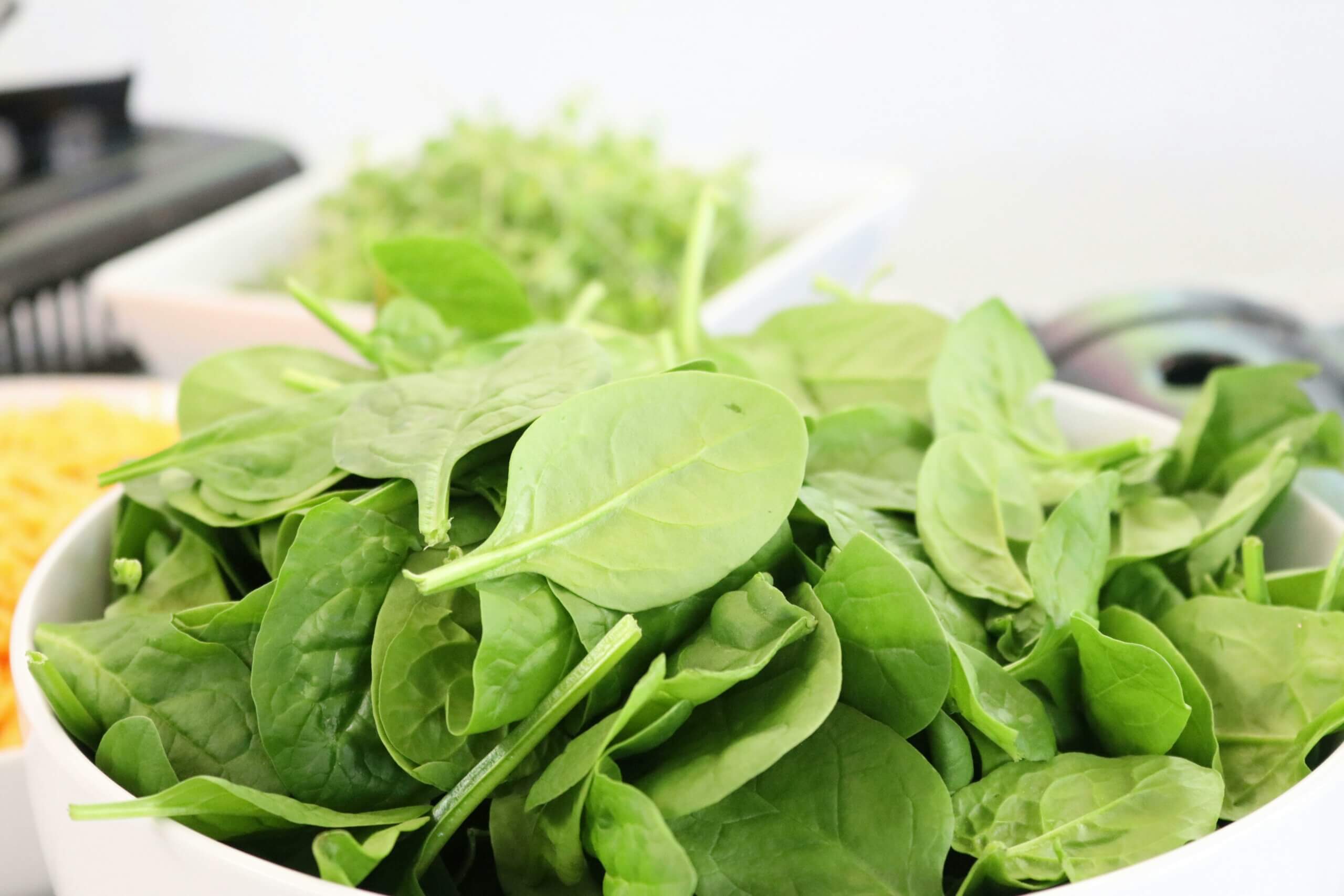 If possible, gardening fruits and vegetables together is a great way to keep your diet interesting and balanced. Compared to fruits, vegetables generally rank much lower on the Glycemic Index food list. The following veggies all have a score of around 15 and will have very little impact on blood sugar levels.
Greens
Spinach and kale are packed with vitamins and minerals and are fairly easy to cultivate at home. Lettuce isn’t quite as nutritious, but it’s still a great option.
Green Beans
Green beans are easy to grow, and they’re an excellent source of fiber. In general, fiber-rich, low glycemic fruits and vegetables are ideal because they satiate hunger, slow digestion, and improve the absorption of carbs.
Broccoli and Cauliflower
Broccoli and cauliflower are both low in carbs and rich in fiber.
Cucumbers
Cucumbers are popular garden staples that are easy to grow, extremely low in fat, and great for improving hydration.
Celery
Like cucumbers, celery is very low in fat and high in water.
Mushrooms
Mushrooms are easy to grow and rich in protein and fiber. They also contain polysaccharides, which are shown to improve insulin sensitivity.
Bell Peppers
Bell peppers are easy to grow and add a splash of color to your diet. They also contain lots of fiber and antioxidants.
Shop Affordable Diabetes Management Supplies
Growing and consuming low glycemic fruits and vegetables is a wonderful way to keep your levels in check, but dieting isn’t a substitute for using the right diabetic supplies. Fortunately, you’re in the right place!
We carry everything you need to manage diabetes at home, including the least expensive glucose test strips, diabetes testing kits, insulin syringes, insulin pump supplies, and so much more. We also sell dietary supplements that you can use to further improve your overall health while supplementing your diet with low-impact produce from the Glycemic Index food list.
We hope this guide is helpful as you prepare to start gardening low glycemic fruits and vegetables! If you have any questions, get in touch. Keep reading our diabetes blog for more lifestyle and self-care tips and ideas, and shop our large selection of discount diabetic supplies!











Leave A Comment