
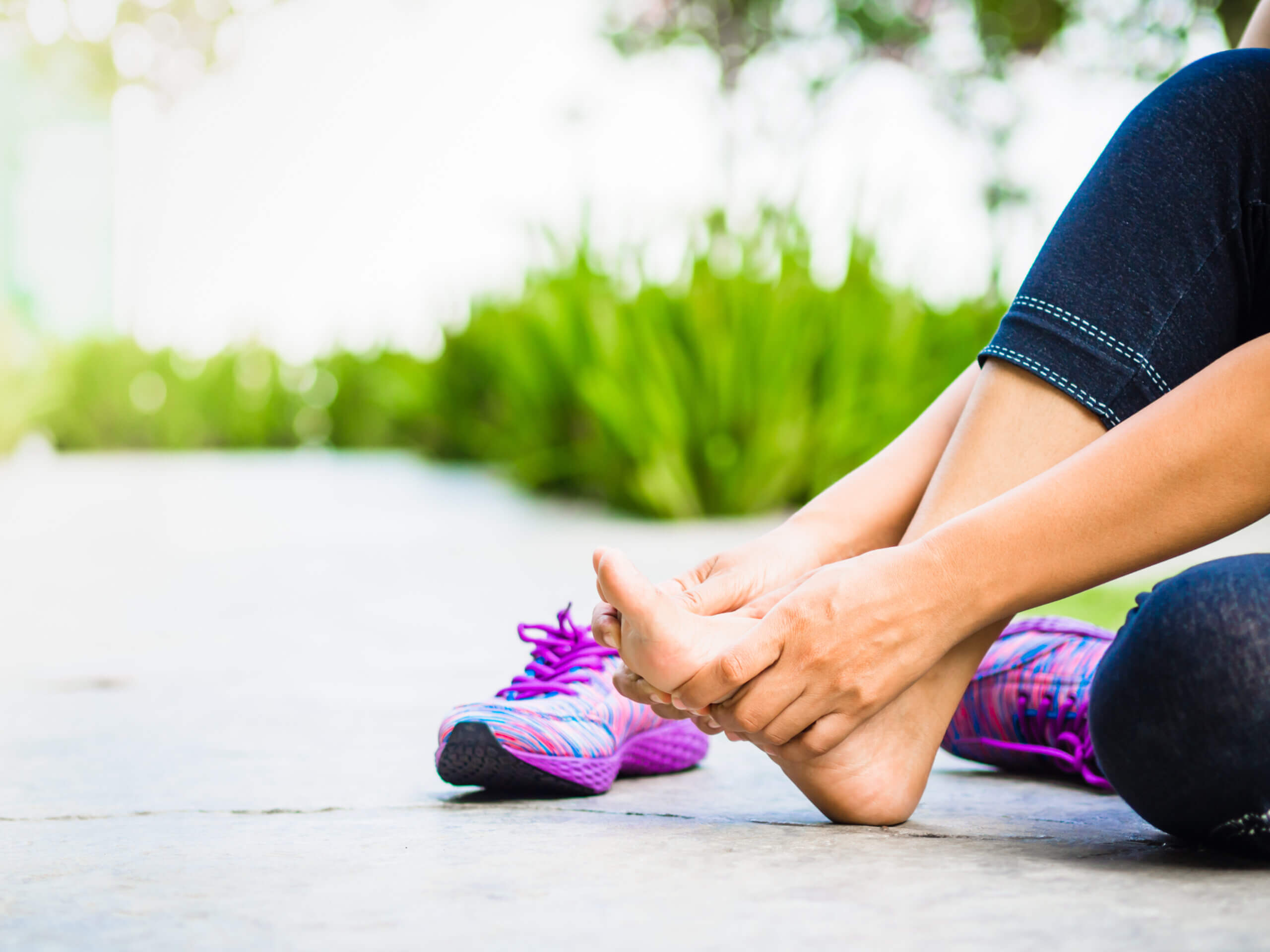
You may already be familiar with some of the effects of uncontrolled diabetes and its complex complications. Changes can take place in your retina at the back of your eyes (Retinopathy), there can be a reduction in your kidney function (Nephropathy) and blockages may form in your blood vessels (atherosclerosis or heart disease).
High blood sugars may cause more subtle changes that can occur “since diabetes can affect blood circulation and cause fluid to build up in your feet, ankles and lower legs.” Out of control blood sugars make it difficult for your circulatory system to move blood throughout your body.
Vein valves may start to leak, making it harder to send the “blood upward.” Gravity is involved. Gravity pulls fluid downwards causing it to accumulate in your ankles and feet. Smaller blood vessels called capillaries may leak, too.
Feet swelling can range from mild to severe in those with diabetes. It is extremely common in older adults, especially those over 65. Between nerve damage and fatty blockages in your feet because of elevated sugars, the swelling may cause permanent damage and severe pain if not treated.
Diabetes is the “leading cause of foot amputation” due to multiple complications. Unusual swelling can affect the top, sides, toes, ankles and bottoms of your feet. Be aware of the reason and treat the problem of feet swelling. This condition is important to avoid for your overall health, ability to move easily and protection of your feet.
What is it called when your feet swell?
Peripheral edema is “swelling in the area of the body (feet, arms, hands legs) where excess fluid builds up in the tissues.” If it is in the feet, it can be referred to as “diabetic foot swelling.” Edema can occur anywhere in the body but is more likely to show up in your lower legs and feet.
Diabetic foot swelling can negatively affect your mobility and quality of life. With diabetes, your feet are prone to sharp pains especially at night, crawling sensations in your legs, tingling, burning and numbness.
You are also at risk for foot ulcers, cellulitis, foot deformities and muscle weakness related to nerve damage and reduced circulation. Untreated cuts and scrapes can become easily inflamed and infected. This condition leads to limited activity and higher blood sugars, creating even more damage and swellings in the lower legs and feet.
What are possible reasons for swelling in your feet?
“Diabetes can damage the lining of the blood vessels when blood sugars are high or out of control. Blood circulation is reduced. Poor circulation causes fluid build-up in the tissues and swelling occurs.” Fluid build-up happens when the body tries to “inefficiently heal itself.” Some causes are directly related to diabetes, and some are consequences of other things such as:
- Hormonal changes
- Sitting in one position for too long
- Standing for too long
- Crossing your legs at the knee
- High blood pressure
- Eating salty foods
- Eating processed foods with hidden sodium
- Being dehydrated
- Having neuropathy or nerve damage
- Side-effects from certain prescription medications
- Inactivity
- Gravity
- Foot injuries
- Foot infections
- Cellulitis
- Gout
- Being overweight or obese
- Venous insufficiency or leaky veins
- Leaky capillaries
- Kidney deterioration
- Congestive heart failure (CHF)
- Liver damage
- Damaged lymphatic system
- Taking calcium channel blockers for heart issues such as angina
- Taking older, oral diabetes medications such as Pioglitazone, Actos
- Taking anti-cancer drugs
- Taking estrogen replacement hormones
- Taking testosterone supplements
- Taking NSAIDS like Aleve and Advil
- Taking corticosteroids
- Taking anti-depressants
- Drinking too much alcohol
- Varicose veins or spider veins
- Rupture of a Baker’s cyst behind the knee
- Arthritis. Joint inflammation or swelling
- Lupus
- Insect bites
- Ingrown toenails
- Hot weather
- Sunburn
- Allergic reactions
What does the swelling look and feel like?
It can involve skin puffiness, skin discoloration, red, purple color with tight shiny skin. It can cause tightness which increases when your socks or shoes are on. A feeling of heaviness or added fatigue in your feet. Swelling is when the skin dimples (pitting) or a depressed area after the skin has been pressed for a few seconds. Feet swelling can cause difficulty with standing, walking or flexing your feet and affect your mobility.
Can you pinpoint the cause of your foot swelling?
A good starting place to help pinpoint the cause of swelling in your feet is to contact and visit your health care provider. Explain your symptoms as complete as possible. Your physician will start with a visual inspection and ask you many questions.
You may need a chest X-ray, an X-ray of your feet, liver function tests, an EKG and a urinalysis. A physical is performed, along with a possible Doppler ultrasound, vein studies and bloodwork. Let your physician know which medications and/or supplements you are on, since some medications do cause swelling in your feet.
How can you manage swelling in your feet?
Since you see the long list of possible reasons for foot swelling listed above, it is extremely important to work with your health care professional to figure out the cause first so you can begin to treat it.
1. See a podiatrist
Schedule and see a podiatrist on a regular 2-3 month cycle. What does a podiatrist do? “A podiatrist is a doctor that is a specialist in feet and ankles. They can diagnose and treat any foot or ankle problem.” They perform a variety of tests, order lab work or imaging tests specifically for your feet or ankles.
Podiatrists prescribe medication, perform surgery, recommend or make orthotics and shoe inserts and can evaluate your balance and walking gait. They may suggest you use a walker or cane for added balance and stability. They can treat and trim thick, in-grown toenails.
They assess if you are putting excess stress or pressure on your feet or ankles. Podiatrists are an important part of your “diabetes care team.” Podiatrists also check for foot or ankle swelling, warmth, discharge, infection, new growths or bumps, corns, or calluses, as well as foot and ankle skin integrity.
2. Elevate your feet
Since fluid builds up from just gravity, it is best to elevate your feet as much as possible when you are sitting or lying down. Elevate them while reading or watching TV. Try sleeping with your feet on a pillow or wedge “elevated above your heart level” after you check with your health care provider.
Sometimes “sleeping with elevated feet may increase the risk of blood clots for those who have vascular disease.” Sit in a recliner or use an ottoman for your feet while relaxing. Even place a footrest or small stool under your desk while you are doing paperwork. Foot elevation reduces swelling.
3. Protect your feet
With swelling, the skin on your feet or ankles may tear open causing a foot ulcer or infection. Keep your feet clean by washing them daily in lukewarm water, drying between the toes gently, not rubbing them, and putting on white, fragrance-free lotion to keep your skin moist.
4. Massage your feet, ankles and lower legs
With your health care provider’s permission, stroke and massage your feet with a light cream or oil in the direction “towards your heart.” Use firm pressure and not hard, painful pressure. This can ease joint discomfort and reduce leg tightness.
Foot massages are used as a complementary therapy and improve quality of life.” Certain vein and vascular conditions prevent you from safely performing foot massages.
5. Exercise routinely
By doing exercise consistently, you can “Promote blood circulation and reduce swelling.” Use both aerobic exercise such as walking, swimming, pool walking or riding a bicycle.” It uses gravity to help accumulated fluid in your lower legs and feet to drain back towards your heart.”
These aerobic exercises squeeze the blood back into the system from your extremities. Exercise fights chronic inflammation and increases hormones that help keep inflammation in check. Set reasonable goals for yourself, especially if you are not used to an exercise program. Warm up first to prevent injuries. Stay consistent and motivated as best as you can.
6. Move when you can
Sitting for hours at a time, especially with your feet hanging down can lead to swollen legs and feet. Get up often. Swing your legs back and forth. Even if you skip a day of regular exercise or do include exercise, make sure you get up and move consistently when you are seated.
Walk in place or around the area for about 3-5 minutes, every hour or two. This helps promote circulation and reabsorb the fluid.
7. Use this yoga pose
“The legs up the wall” yoga pose is one of the most helpful and efficient poses to help fluid get back into your body and circulation. The official yoga pose name is “Viparita Karani”.
How do you perform this pose?
- Place a light mat or towel and a small head pillow on the floor, for your comfort.
- Lie down on your back near the wall.
- Scooch up and place your legs straight up the wall with your buttocks against the base of the wall.
- Relax your neck, throat and chin.
- Stretch out your arms to your sides with your palms facing up.
- Close your eyes with your legs inverted up the wall for 5-10 minutes. You can repeat this twice a day. Make sure to have a light stretch in your legs, not a tight painful stretch.
- Breathe deeply through your nose for 4 seconds and blow out through your mouth slowly for 8 seconds. Perform this breathing exercise for a few minutes.
This yoga pose does not require much flexibility, except for getting down on the floor. You can improve your diabetes control by promoting stress reduction, which yoga does. It may offer you a deep state of relaxation since this is a very calming pose.
It can improve circulation and may also reduce swelling in your legs and feet. By inverting your legs up against a wall, “gravity gets to work a different way” and drain the excess fluid out of your legs and feet. It may “even promote insulin sensitivity by stimulating the pancreas,” according to some studies.
Often this yoga pose relieves headaches, boosts energy levels, raises immune levels and may help with lower back pain. You can achieve the benefits of inversion for your organs without hurting your head, neck and eye pressure. This is the opposite of sitting all day with your legs down, which encourages blood pooling in the legs and feet.
Come out of this pose slowly, sit up and stay still for 2-3 minutes before standing up. “Never come out of an inversion pose quickly since it may cause balance issues and dizziness.” Always check with your health care provider when starting something new, including this beneficial yoga pose.
Do not practice this pose if:
- You have glaucoma
- You have uncontrolled high blood pressure
- You have retinopathy
- You have vascular disease or vascular insufficiency
- You have kidney or liver failure
- You have congestive heart failure (CHF)
- You have balance issues
- Your physician says it is unsafe for you
8. Consider wearing compression socks
Compression socks or stockings, “stimulate circulation and blood flow by gently squeezing you lower legs and feet.” Compression socks can help maintain the right amount of pressure on your legs and feet when they are not too tight. You can order them customized specifically to you or “over the counter” (OTC).
OTC compression socks usually offer mild compression. Mild or light compression is “18-25mm/hg.” Heavy compression stockings may require a prescription from your doctor. Too tight a compression sock can reduce circulation. Consult your podiatrist or physician to see their recommendation for you.
Compression socks should go up to at least the knee, without a tight constricting elastic band on the top. Do not let the sock or elastic band dig into your leg or knee. There are some compression stockings that go up over the entire leg, which may be prescribed for you, depending on your personal situation.
Always remove compression stockings before bedtime. Wear them when you are traveling long distances in a car or on a train or plane. Do not wear compression socks when you have an open wound, an infection, cellulitis or a foot ulcer as it could make the wound worse or lead to an infection.
9. Drink often, stay hydrated with calorie-free beverages including water
“The more fluid you take in, the more fluid you will expel through urination.” Your body holds onto water when you are dehydrated even if your legs and feet are swollen. Before increasing your fluid intake, check to see if you have heart failure, kidney or liver failure or need to be on a fluid restriction.
Remember, your body is made up of “60 % water.” Every system in your body needs water to function properly. Not everyone requires the same fluid intake amount daily but the “general recommendation is 95oz per day for women and 131oz per day for men.” Break this up over the day.
Fluid recommendations depend on the climate, altitude and humidity of where you live and your personal situation. You need more water if you vomit, have a fever or have diarrhea. You may need to add electrolytes to your water under these conditions. They now have electrolyte packets that you add to water. Make sure there is no added sugar.
Consider a sugar-free Gatorade that is an already prepared drink if that is easier. Proper and adequate hydration is important for regulating body temperature, lubricating your joints and helping you eliminate waste through urination, perspiration and bowel movements.
What are some signs of dehydration?
- Dark urine
- Dry cough
- Being thirsty
- Feeling exhausted
- Urinating less frequently
- No or minimal sweating even when you are hot
- Dry mouth, lips and tongue
- Having itchy skin
- Rapid heart rate
- Rapid breathing
- Muscle cramps
- Fainting
- Being light-headed
- Confusion
- Mood changes
- Sunken eyes
- Headache
- Reduced tear production
- Over heating
What else to do to prevent dehydration:
- Limit beverages with caffeine like coffee and regular tea.
- Avoid any sugary drinks. Sugary drinks prevent you from maintaining fluid balance.
- Do not wait until you are thirsty. Rehydrate throughout the day.
- Eat foods including fresh fruits and vegetables to increase your hydration. Some foods with higher water content are spinach, oranges, grapefruit, watermelon, cucumbers, berries, peppers, celery and pineapple.
10. Maintain your weight at a healthy level
Know your weight, BMI, waist circumference size and body fat percentage. Obesity puts added pressure on your feet, ankles and lower legs. By keeping your weight at a healthy level, you are less likely to damage your blood vessels from high glucose levels, high blood pressure and high cholesterol levels.
This will help keep swelling down. At “ideal body weight”, you can maintain a healthy heart, protect your joints, reduce swelling and inflammation and have more energy.”
11. Limit sodium levels
Salty foods and snacks can be a cause of your swollen legs and feet. It does not matter if it is Morton’s salt, fancy pink Himalayan salt, gray salt or salt added in already “prepared spice blends” like Lemon pepper or Montreal steak blend. “Salt intake causes your body to require and retain more water.”
Always read labels for sodium content. Check with your physician or dietitian to see if you need to be on a salt restriction diet. “The US Dietary Guidelines for Americans recommend an intake of no more than 2,300mg per day.” People with heart disease or diabetes should have less than 2,300mg a day.
Some physicians require you to cut back to “1500mg a day or a ¼ of a teaspoon a day.” Monitor your intake.
What can you do? Eat more whole foods.
- Avoid processed foods and prepared foods like pizza, frozen meals, canned foods, chips, crackers, and lunch meat.
- Avoid salted nuts, seeds or crackers.
- Drink still water not sparkling or bubbly water. A can of sparkling water may contain 100-200mg of sodium which can add up if you drink several a day.
- Cook with pepper or saltless herb blends.
- Check spaghetti sauce, BBQ sauce, canned soups, Ramen noodle cups, marinades, snacks, cereals and salad dressing labels for added sodium.
12. Talk to your health care provider about adding a magnesium supplement. Eat magnesium rich foods.
Magnesium is needed for different bodily functions including metabolism, brain function, bone health, heart and muscle activity. It may help promote sound sleep and prevent or limit muscle cramps. “Fluid retention and swelling may be a sign of a magnesium deficiency.”
Never add a vitamin or supplement before talking to your health care professional. It may interfere with your prescription medications. The general recommendation for a magnesium supplement is “200-400 mg a day.” Too much magnesium may cause nausea, loss of appetite and diarrhea.
People with diabetes “may be more likely to have low magnesium levels, since high blood sugars may increase magnesium loss through increased loss of urine.” You can find out with a simple blood test. Add pumpkin seeds, green leafy vegetables, brown rice, peanut butter, legumes, whole grains and almonds to increase magnesium levels from food.
Symptoms of low magnesium include:
- Twitching
- Tremors
- Muscle cramps
- Muscle spasms
- Osteoporosis
- High blood pressure
- Irregular heartbeat
- Fatigue
13. Epsom salt foot soaks
Epsom salts contain “magnesium sulfate” which may reduce foot swelling and relieve achy feet when used in a foot soak. Always check with your health care provider before starting with foot soaks. They may dry out your feet too much and cause skin irritation.
Make sure the water temperature is tepid and not hot to prevent a burn or injury. Never soak feet when you have an open wound or foot ulcer. Consider using Epsom salts that also contain coconut oil, lavender oil, eucalyptus oil or peppermint oil, which may promote relaxation and moisturize skin.
Epsom salts have been used as a “healing agent” for years. It may help eliminate foot infections and foot odor. Only a minimal amount of magnesium is absorbed through your skin. Soak for 10-20 minutes and then dry feet carefully. Do not rub your feet after soaking them. Moisturize feet with white, unscented lotion or cream after soaking to prevent cracking and dry skin.
14. Hot, humid weather
Hot weather may make your feet swell, especially late in the day. Wear cotton blend socks so your feet do not rub against your shoes. Remove your shoes and put on lighter slippers when you come inside. Consider cool or cold foot soaks to reduce swelling.
15. Do not smoke
Smoking narrows blood vessels and reduce blood flow to your feet. Smoking also hardens arteries which further limits blood flow. All this can lead to foot swelling. Smoking impairs wound healing, which is already a big problem with diabetes.
16. Inspect your feet daily
Swelling in your feet and lower legs is quite common with diabetes. Avoid causes of skin irritation, long, thick nails, wet feet and ill-fitting shoes. Cushion your heels, insert arch supports and pad the balls of your feet if needed. Fat pads on your feet shift and deteriorate as you age, causing pain, irritation and the way you walk.
Wear low heels or no heels and have shoes with a deep and wide toe-box. Do not wear synthetic fabric shoes. Never wear tight fitting shoes, especially in the toe area. Change shoes frequently to let the perspiration dry out between wearing.
17. Add foods with potassium
Never add a potassium supplement unless recommended by your doctor. A normal potassium level is 3.5-5.5 mmol/L. A simple blood test can measure your values. When potassium levels get too high, you may experience cardiac arrythmias, chest pain, shortness of breath or possibly a heart attack.
When potassium levels are too low, it may add to your swelling. “Potassium counteracts sodium and helps maintain fluid balance and blood volume.” Foods with potassium which can help maintain fluid balance are bananas, cantaloupes, yogurt, sweet potatoes, white potatoes, beets and avocados.
18. Other foods to help maintain fluid balance.
Look for foods high in protein, vitamin B6 and vitamin B12 such as lean beef, salmon, tuna, eggs and nuts. You need adequate protein to prevent fluid retention.
19. Never ignore foot swelling
Swelling in your lower legs, ankles and feet is common with diabetes. Diabetes can cause abnormalities with “the coagulation system” and raise the risk of developing a deep vein thrombosis (DVT). Never ignore it since it is a serious condition.
It usually presents as swelling in just one leg. A DVT is “a blood clot that develops in one or more of the deep veins in your leg.” They often occur during extended plane travel, long car rides, when you have a leg cast for a broken leg, are on extended bedrest or when you are obese.
Symptoms may include:
- Swelling in your leg
- Discolored, red and warm to the touch skin on your leg
- Swollen veins
Almost half of the patients who develop a DVT, have no symptoms. A DVT can move from the leg to your lungs. This could produce chest pain, shortness of breath or a high heart rate. Call 911 because this is a true medical emergency. Prevention is the best way to avoid a DVT.
Untreated swelling in your feet with diabetes could lead to foot ulcers, open wounds or cellulitis. Nerve damage and blood flow can be an added concern when you have diabetes. Be aware of foot swelling, what the cause possibly is and how you can treat it.
Always check with your health care provider if you have any questions or concerns. Maintain a close eye on your feet and keep them safe!
References:
- https://modernfootankle.com/foot-and-ankle-care/top-foods-that-reduce-swelling-in-feet-and-ankles/
- https://www.healthline.com/health/diabetes/diabetes-swollen-feet
- https://health.clevelandclinic.org/benefits-of-legs-up-the-wall
- https://www.healthline.com/health/find-right-diabetic-socks
- https://journals.sagepub.com/doi/pdf/10.1177/193229681200600319
- https://www.healthline.com/health/how-much-water-should-I-drink
- https://ankleandfootcenters.com/diabetes-swollen-feet/
- https://www.healthline.com/nutrition/magnesium-dosage
- https://www.singlecare.com/blog/diabetes-swollen-feet/
- https://www.healthline.com/nutrition/how-to-start-exercising
- https://www.verywellhealth.com/diabetes-and-swollen-feet-6503070
- https://www.healthcentral.com/condition/diabetes/diabetes-swollen-feet
- https://www.webmd.com/a-to-z-guides/high-potassium-diagnosis
- https://ucfhealth.com/our-services/endocrinology/diabetes-and-leg-swelling/
- https://horizonfootankle.com/why-diabetes-makes-your-feet-swell/
- https://www.medicalnewstoday.com/articles/323265
- https://mychicagofootexpert.com/2023/05/09/foot-massages-how-they-can-help-you/
- https://medlineplus.gov/ency/article/003104.htm
- https://www.ncbi.nlm.nih.gov/books/NBK482473/
- https://my.clevelandclinic.org/health/articles/podiatrist
- https://www.mayoclinic.org/diseases-conditions/edema/diagnosis-treatment/drc-20366532
- https://www.nhs.uk/conditions/deep-vein-thrombosis-dvt/
- http://www.diabetesclinic.ca/en/prof/5treat/oral_med/lasix.htm
- https://www.betterhealth.vic.gov.au/conditionsandtreatments
- https://www.nhs.uk/conditions/oedema/










Leave A Comment