

There are multiple diabetes organizations, endocrine societies and cardiac groups which hold summer conferences offering exciting yearly updates in the diabetes world. Some of the most influential meetings included The Endocrine Society Annual meeting with topics such as: Practical Ways to achieve targets in Diabetes Care, Diabetes Comorbidities and Complications Fundamentals of Obesity Treatment. The American Hearts Association (AHA) and the American Society for Preventative Cardiology also presented.
2025 diabetes technology will “improve and simplify diabetes management.” Diabetes technology has already significantly eased the burden of both glucose measurement and insulin delivery, with many more devices being developed. Read on below, to see what the new information regarding diabetes management and treatments offer.
1. Inhaled insulin
Healio. An endocrinology journal reported “Inhaled insulin is an important alternative to injected rapid acting insulin.” This information was reported during the summer scientific sessions in 2025.
The overall message is that “it is an important part of the toolbox” especially with children and teens who have type 1 diabetes and may have strong aversions to insulin shots. Adults may be afraid of insulin shots as well.
The study showed it performed as well as rapid-acting injected insulin and caused less weight gain than rapid -acting injected insulin. Referred to as “technosphere insulin” it works faster than injected insulin. It also clears from the body quickly, hopefully preventing low blood sugars or hypoglycemic events.
This will allow for added flexibility to children, teens or adults in their diabetes treatment along with “higher levels of satisfaction” and less fear.
2. Sesame seeds
A new study presented at the summer scientific conference suggests “sesame seeds may help lower blood sugar and cholesterol levels in people with diabetes.” They are high in fiber and are considered diabetic friendly. Sesame may even improve insulin sensitivity.
Sesame seeds have been used in folk medicine for thousands of years. They are high in calories, so eat them in moderation. Sesame seeds are rich in healthy oil, fiber, and magnesium. They contain lignans, phytosterols and protect against inflammation, a negative health factor seen in diabetes.
Sesame products include sesame oil either toasted or refined, often used for Asian cooking such as in stir-fry, salad dressings or marinades. They can be made into tahini, a smooth paste from hulled and toasted sesame seeds and a neutral oil, or whole sesame seeds which can be added to breads, rolls, bagels, cereals or yogurt.
Sesame products may also support heart health, which is a major complication often seen with diabetes. Certain foods that contain “bioactive compounds” including sesame seeds have components: sesamin and sesamal. These are antioxidants that support and enhance your heart and metabolic health.
Metabolic health refers to “how well your body converts food into energy, manages blood sugar, blood pressure and cholesterol.” The study was published in Diabetes and Metabolic Syndrome Clinical Research and Reviews. Over 13 clinical trial results involving over 750 participants, who mostly had type 2 diabetes were studied.
The trial results on these patients showed:
- Lowered fasting blood glucose
- Reduced A1C levels
- Decreased post-meal blood glucose values
- Lowered LDL levels, total cholesterol and triglyceride levels
Adding them to your meal plan is budget-friendly, yummy and good for your health. Sesame can be paired with soy sauce, garlic, ginger and rice vinegar for added flavor. Sesame seeds are not a “magic food ingredient” but adding them to your diet can be helpful especially with diabetes.
3. CargiSema
This is an experimental, first of its kind, drug developed by Novo Nordisk which is a “new combination” medication. It offers greater weight loss compared to taking either one drug alone. CargiSema also helps to lower blood sugar. It is made from cagrilintide and semaglutide.
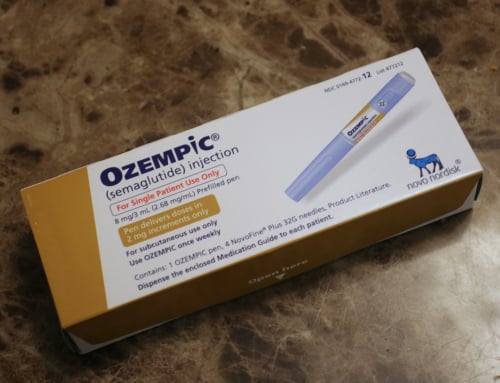
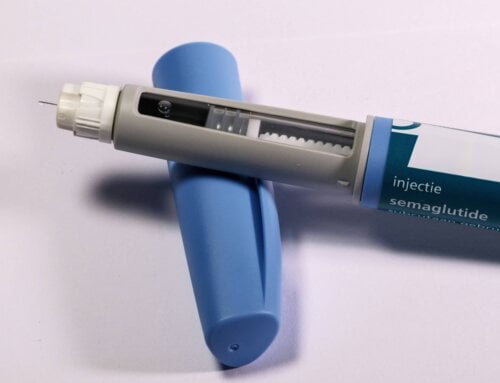
Cagrilintide mimics amylin, a hormone produced by the pancreas. It makes you feel fuller after eating a meal. The other medication included is semaglutide, a GLP1 agonist, which is currently known as Ozempic. It is taken as a once weekly pre-filled, pre-measured pen injection.
Over 1200 participants with type 2 diabetes took it and lost an average of “16% of their bodyweight after 68 weeks.” 74% achieved an A1C of 6.5% or less. Similar GI side-effects were noted in the combination drug including nausea, vomiting, diarrhea or constipation. It is not yet FDA approved.
4. Type 1 diabetes Barbie doll
Children living with type 1 diabetes may face “isolation, stigma and general misunderstanding about their chronic disease.” This could have a negative effect on their diabetes control, diabetes management and overall mental health. A new Barbie doll was recently created by Mattel with a diagnosis of type 1 diabetes.
This specific Barbie doll includes certain diabetes management tools including a continuous glucose monitor (CGM) and an insulin pump in the shape of a heart. Barbie is wearing a blue polka-dot dress. “The color blue symbolizes global diabetes awareness.”
Hopefully, this new Barbie doll version will share “diabetes acceptance and awareness for children with type 1 diabetes”.
5. Continuous Ketone Monitors
Continuous ketone monitors are on the horizon for treatment of type 1 diabetes and will be combined with continuous glucose monitors (CGM) soon.
What are ketones?
“Ketones are chemical substances produced in the liver when using fat as an energy source instead of glucose. “With type 1 diabetes when insulin is scarce or unavailable, glucose builds up in the bloodstream, instead of entering the cells, to be used for energy.
Ketones accumulate from fat breakdown needed for energy and can cause Diabetic Ketoacidosis or DKA. DKA is life threatening. Symptoms of DKA may include frequent urination, extreme hunger, extreme thirst, dehydration and headaches. If not promptly treated, symptoms can worsen and can cause nausea and vomiting.
Finally, disorientation and coma may take place. Immediate treatment is needed, or death may occur. Having a continuous ketone monitor will have a huge impact and offer a new safety measure for the treatment of type 1 diabetes and DKA.
Abbott is developing the “first of its kind dual monitoring system.” It was started in 2022 and has not yet been available for general sale and purchase. This device will help patients with type 1 diabetes monitor glucose and ketones in one simple device. They also plan to partner with an insulin delivery pump system.
6. Efsitora
A new insulin created by Eli Lilly is still in clinical trials and investigational stages. Efsitora is a “once weekly insulin shot” which “works as effectively as daily basal (long acting) insulin” for type 2 diabetes.
Patients spent more “time in range, improved diabetes management, and helped lower their A1C levels. Fewer hypoglycemic or low blood sugars events were noted with the Efsitora. It is yet another new simplified treatment approach for people with type 2 diabetes. Hopefully by the end of 2025, it will be introduced to global regulatory agencies and then released to the public.
7. Orforglipron
Orforglipron is in development by Eli Lilly and being investigated as a “GLP-1 oral pill” used for type 2 diabetes and weight loss. It mimics your natural GLP-1 hormone to regulate blood sugars and promote weight loss. Orforglipron stimulates insulin release from the pancreas and slows gastric emptying which makes you feel full, longer.
Rybelsus is currently available and on the market in a pill form (GLP-1) but is just prescribed for type 2 diabetes, not weight loss. You also need to take Rybelsus on an empty stomach. Orforglipron can be taken with or without food.
Orforglipron is currently being studied at multiple trial sites. So far, results have shown “it to be safe and effective at lowering blood sugars and assisting patients in losing weight.” It will eliminate the need for weekly GLP-1 injections and the refrigeration needed to store the pre-filled injections, simplifying diabetes care.
8. Stem cells
2 million Americans have type 1 diabetes. Type 1 is considered an autoimmune disease “where the immune system destroys beta cells that produce insulin.” These patients must receive daily insulin shots or use an insulin pump to remain alive.
About 100 years after insulin was developed, research started in the field of stem cell islet transfers for those with type 1 diabetes. Harvard was able to perform the “first ever stem cell islet transplant.” The trials were sponsored by Vertex Pharmaceuticals and were done over 25 years ago, using a budget of 50 million dollars.
This is a “potentially curative treatment for type 1 diabetes, by replacing damaged insulin producing cells with new ones.” There continues to be more ongoing trials to find a “functional cure for type 1 diabetes”. It has become a rapidly evolving field. Harvard will present new applications in 2026.
In 2024, a woman in China was the “first person to maintain independence after receiving transplantation of beta cells from her own stem cells.” After one year, she has still not received insulin injections and has achieved insulin independence. Long-term treatment remains to be seen, but more amazing breakthroughs are happening.
9. Heart failure
Patients with diabetes are often familiar with the most common diabetes complications including heart attacks, eye disease (retinopathy), kidney disease (nephropathy) and nerve problems (neuropathy), when diabetes remains out of control and blood sugars stay high. One of the leading common diabetes complications rarely discussed is heart failure.
What is heart failure (HF)?
Heart failure is when “the heart can’t pump enough blood to the rest of the body.” Over time, the heart becomes weak and stiff and fluid begins to collect in the body. It becomes more difficult to circulate your blood and then you do not receive enough oxygen for your body and brain.
HF is seen more frequently in those with type 2 diabetes, high blood pressure, obesity, prior heart attacks, smokers, heavy alcohol drinkers and people who suffer with sleep apnea. Diabetes sets off a chain reaction and causes more stress on the heart.
Symptoms of HF may include coughing, wheezing, shortness of breath, swelling in your feet and lower legs, loss of appetite and extreme fatigue or confusion. Tests should be performed including a chest x-ray, ECHO (ultrasound that looks at your heart valves), CT scan of the heart, a heart MRI and an exam of the heart’s electrical system.
It is important to diagnose and treat heart failure as soon as possible with early and complete screening. Heart failure has become an urgent public health problem in our country. Your physician may treat it with certain medications such as beta blockers which slow the heart, water pills which remove excess fluid and help with shortness of breath, statins to lower cholesterol levels and blood thinners to reduce blood clot formation.
This should be combined with a DASH or Mediterranean diet and regular exercise. A DASH diet consists of fruits and vegetables, lean protein, low-fat dairy and high-quality carbohydrates in small portions. Your diet should not include added sodium, added sugars or saturated fats.
10. Omnipod 5 for Type 2 Diabetes
In August of 2024, Omnipod 5 automated insulin delivery system was FDA cleared for use in adults with type 2 diabetes. Previously it was only FDA approved for use in type 1 diabetes. It is now commercially available to 6 million people living with type 2 diabetes, who require daily insulin.
People with type 2 diabetes may eventually require insulin since it is a progressive disease. It is “easy to operate, tubeless, automatically adjusts insulin delivery and reduces A1C when used.” Omnipod is the only tubeless pump currently available but there are more tubeless pumps on the horizon.
11. Need for access to an endocrinologist
Seeing an endocrinologist, a specialist in diabetes, may allow you an increased chance of using new diabetes technology. Primary care physicians and internal medicine doctors may not have the time or knowledge concerning the latest available technology and how it operates.
You may need an MD referral from your primary care physician depending on your current health insurance. There is a shortage of endocrine specialists, especially in rural areas, and there remains a high demand for their services.
Endocrinologists also treat growth hormone issues, thyroid problems, osteoporosis (thinning of the bones) and hormonal imbalances. You and your health care team need to decide which physician can be the most helpful to you and your individual medical needs.
12. Changes to telehealth diabetes education services offered through Medicare.gov
During COVID, telehealth or medical appointments done on the phone or computer were used in place of regular office visits when possible. It made it easier and safer for the patient and physician, especially for 3-month diabetes follow-ups.
It is an extremely helpful service when provided in rural areas as well as in medically underserved regions. Telehealth visits will also benefit from AI (artificial intelligence), offering more knowledge about diabetes and how to care for it daily. “Telehealth visits can lead to reduced A1C levels, lower cholesterol and blood pressure levels.”
Starting in October 2025, telehealth visits will be limited. You will no longer be able to access telehealth visits except when you are in a medical facility or office in a rural area. You will have to return to an “actual doctor’s visit” due to funding and reimbursement changes. This may lead to poorer patient compliance.
13. Type 5 Diabetes
The formal recognition of type 5 diabetes “was voted on unanimously at the IDF World Diabetes Congress, during the summer of 2025, in Bangkok, Thailand. Most people are familiar with the formal medical diagnosis of type 1 and type 2 diabetes. Type 3 and type 4 are not considered official medical diagnoses.
These terms are only used in research and medical discussions. Type 3 refers to the “link of insulin resistance in the brain and developing Alzheimer’s disease.” Type 4 is a form of “insulin resistance which is specifically related to aging.”
More studies are needed at this point before a medical diagnosis can be recognized for type 3 or 4. The term of “malnutrition-related diabetes or type-5” was first discussed in 2005. It was noted as an “usual form of diabetes in which the patients were thin and young”, which suggested they had type 1 diabetes and should be treated with insulin.
Unfortunately, insulin did not help these patients and some of them suffered from severe low blood sugars when given insulin. Also, they did not have type 2 diabetes, which is usually associated with obesity. In 2022, a study published in Diabetes Care stated, “malnutrition related diabetes is different from type 1 or type 2 diabetes.”
Type 5 was found to have a “defect in the ability to secrete insulin.” This helped recognize a difference in type 5 diabetes. In the next 2 years, the task force will develop formal “diagnostic and therapeutic guidelines for type 5 diabetes” declaring it a true medical condition.
14. Widaplik
The FDA approved Widaplik in June, 2025 as an initial treatment for people who need multiple medications for blood pressure control. It is the first and only FDA approved combination drug to lower blood pressure. Widaplik is available in standard dose and 2 other dosages for more individualized treatment of blood pressure control.
It is approved for people with diabetes except when they are presently taking aliskiren (tekturna), another blood pressure drug which causes your blood vessels to relax. These drugs together would lower blood pressure too much.
15. Kirsty
The FDA recently approved “the first interchangeable biosimilar insulin” product like Novolog (insulin Aspart) called Kirsty. Kirsty is rapid-acting insulin available in a pen and is interchangeable with Novolog. It is used to improve blood sugar control in adults and children over 2 with diabetes.
Dosages can be dispensed in a pre-filled pen or given through an insulin pump, similar to NovoLog. Side-effects include hypoglycemia (low blood sugars) and possible weight gain when given in larger doses. Approving Kirsty has helped support “a competitive place for insulin products in the diabetes world” and hopefully encourage competitive pricing.
16. Primary care focused on weight gain and obesity
It is difficult for primary care physicians (PCP’s) to focus on obesity, weight loss programs and plans for their patients, since they have less nutritional training, little time, no extra funds and fewer tools than specialists.
The PCP tend to see patients for general medical visits, but adding a weight loss assistance tool would be helpful, especially for those with diabetes. Obesity is associated with 20% serious health problems and over 1/3 of the US population struggles with obesity. Enter PATHWEIGH.
Pathweigh was a pilot study set up by The University of Colorado Health System and UC School of Medicine over 5 years ago. Instead of a specific weight loss program, it is considered a “care delivery process” in 56 primary care settings, affiliated with the University of Colorado.
The plan is to easily incorporate weight loss goals that are personalized and individualized into primary care practices. This helps make ‘weight loss a priority” in primary care. The system at UC is attached to EPIC, an electronic medical record system and is intended to be used worldwide, where EPIC charting is being or will soon be used.
It is a set of tools and training to educate PCPs in the discussion of weight loss. PATHWEIGH allows for “prioritized weight visits scheduled into their regular medical practice.” Pathweigh is a combination of diet, exercise, weight loss drugs and possible medical interventions such as bariatric surgery, as well as counseling using behavioral techniques.
PATHWEIGH can be used at no additional cost for the medical practice and saves money for the health care system. Best of all, it really assists the patient. Hopefully after the success seen at UC, more primary care physicians will incorporate PATHWEIGH into its practice.
17. Cortisol screening
This information was reported at The Heart in Diabetes Meeting in June 2025, which included specialties in cardiology, endocrinology and nephrology. These medical fields are considered highly interrelated. Since cortisol (a stress hormone) raises blood sugars, it “may become part of routine blood tests for people with diabetes.” Both initial screening and monitoring should be done.
What is cortisol?
Cortisol is a stress hormone which could cause weight gain and hormonal imbalance, making your blood sugars go up. Cortisol levels can also rise due to the lack of sleep, alcohol intake, caffeine intake or Cushing’s disease (hypercortisolism). Cortisol “triggers your body to release stored glucose into your bloodstream and stops your body from producing insulin.”
The CATALYST study is the largest study to “show cortisol may be a factor in blood sugar control in 24% of patients with type 2 diabetes.” A second phase of the CATALYST study is currently underway. High cortisol levels do make it more difficult to treat and control type 2 diabetes.
High cortisol is an under recognized factor contributing to barriers of managing type 2 diabetes. Further studies will be done before a final decision is made to make a cortisol blood test routine for all patients with type 2 diabetes.
Rapidly evolving technology makes it more difficult to do large studies which give us the most accurate results. By the time the results come in from the previous technology, the new technology may have reached a more up to date plateau. The annual diabetes and heart professional meetings keep us informed about the new possibilities in diabetes and its latest treatment. Keep learning!
References:
- https://medschool.cuanschutz.edu/pathweigh/clinical-tools/faq
- https://diatribe.org/diabetes-technology/diabetes-technology-highlights-ada-2025
- https://www.healio.com/news/cardiology/20250617/research-updates-in-health-technology-nutrition-and-diabetes-management
- https://www.healio.com/news/endocrinology/20250622/inhaled-insulin-safe-effective-for-children-with-diabetes
- https://www.eatingwell.com/sesame-benefits-study-11769281
- https://www.healthline.com/nutrition/sesame-seeds
- https://diatribe.org/diabetes-medications/new-weight-loss-drug-cagrisema-shows-impressive-results-clinical-trials
- https://my.clevelandclinic.org/health/articles/ketones-in-urine
- https://www.abbott.com/corpnewsroom/strategy-and-strength/abbotts-biowearable-one-sensor-for-glucose-ketones.html
- https://diatribe.org/understanding-diabetes/barbie-launches-first-doll-type-1-diabetes
- https://investor.lilly.com/news-releases/news-release-details/lillys-once-weekly-insulin-efsitora-alfa-demonstrated-A1C
- https://www.the-scientist.com/cell-therapy-is-poised-for-sweet-victory-in-diabetes-72733
- https://investors.insulet.com/news/news-details/2024/Omnipod-5-Automated-Insulin-Delivery-System-is-now-FDA-cleared-for-People-with-Type-2-Diabetes/default.aspx
- https://content.govdelivery.com/accounts/USFDA/bulletins/3e995f3











Leave A Comment