
By 2050, it is estimated that over 1.31 billion people worldwide may have diabetes. Type 2 diabetes remains at 90% of the cases due to increased weight and body mass index (BMI), poor diet, over-eating, low activity levels and added environmental hazards.
What have we recently learned?
1. Obesity rates declined for the first time in years.
In Sept. 2024, the US government announced that “the adult obesity rate had declined in its most recent count which ended in August,2023.” The study was done by Harvard University. GLP-1 agonists which started out as a type 2 diabetes treatment, “made a sizeable dent in the obesity epidemic with Wegovy and Zepbound.”
New injectable medications were the “weight loss buzz” of 2024. Results proven in study after study have shown many positive affects besides weight loss and diabetes control. Many people got a new lease on life. There is improved heart, liver and kidney health as well as possible arthritis and asthma relief.
What’s the difference between all these medicines?
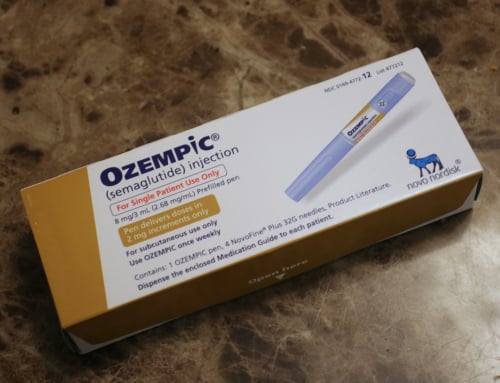
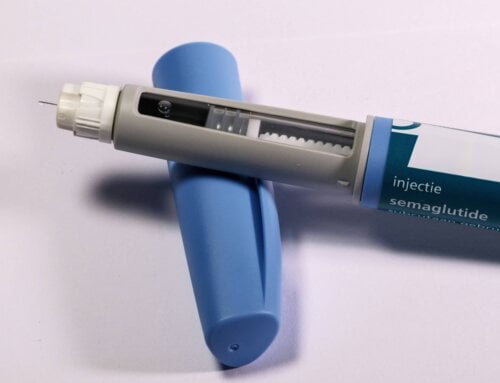
- Mounjaro (tirzepatide) and Ozempic (semaglutide) are medications both used for type 2 diabetes. Ozempic is a GLP-1 agonist, a hormone our body naturally makes. Mounjaro contains 2 hormones, a GLP-receptor agonist plus a GLP-1 agonist. The studies show “better weight loss with Mounjaro.” Both these medicines may cause some GI side-effects including nausea, indigestion, bloating, diarrhea and constipation. GLP-1 agonists also promote the breakdown of cholesterol, lower blood pressure by reducing inflammation in the blood vessels and lower sugar formation made in the liver.
- Zepbound (tirzepatide) and Wegovy (semaglutide) are medicines focused on weight loss. Thses medicines slow gastric emptying which makes you feel fuller longer and want to eat less. They send signals to your brain to “feel full.” They have similar side effects to the two medicines above.
- These medicines are still very new, and we are not sure of overall health effects that may present in the future.
- The doses of medicines for diabetes patients start lower than those prescribed for weight loss. All are taken once a week, at the same time. All are injectables.
How do you decide which medicine to take?
The decision will be made by the prescribing physician, your insurance company, your condition, the out-of-pocket co-pay and the drug availability.
Less than ½ of the private and public insurance plans covered these medications in 2024.
Because of all the positive results and research, the Biden administration moved to have Medicare and Medicaid cover the costs of these pricey drugs which can sometimes be “1300.00 out of pocket per month” before the end of their administration. Historically, Medicare avoided covering weight loss medicines.
“Obesity affects 40% of American adults” one of the most prevalent chronic diseases and closely tied to type 2 diabetes.
Even the number of teens and young adults with obesity could be affected in a positive way by these medications. Drug companies “should work to make these drugs more affordable helping to ensure access is not limited by cost or insurance plan.”
Hopefully no stigma will be attached to GLP-1 agonist and GLPs when taking for obesity. Obesity is a disease. This could affect up to 7.4 million Americans.
2. Which diet plan remained the “best for heart health” according to the American Heart Association for 2024?
Once again, the “DASH Diet” (Dietary Approach to Stop Hypertension) was considered the best diet plan for heart health, states a study published in Circulation. The Mediterranean diet came in at second place according to the American Heart Association (AHA).
The fad diet trends including the Keto diet that relies on very low amounts of carbohydrates replaced by fat to “help your body burn fat for energy and the Paleo diet that excludes grains, dairy products and legumes faired “the worst.” They both restrict carbohydrates too much and allow for the consumption of too much saturated fat.
Diet plans that become part of an overall healthy lifestyle are the “best way to maintain heart health, the leading cause of death when you have diabetes.” Do not jump from fad diet to fad diet.
The AHA recommendation of the DASH diet includes:
- Healthy lean sources of protein such as fish, lean meats and skinless poultry, low-fat dairy
- Unprocessed foods over processed or ultra-processed foods
- Plenty of non-starchy vegetables
- Whole grains, not refined
- Eliminate drinks with any added sugar
- Avoid alcohol
3. Best technology for better type 2 diabetes control
“Continuous glucose monitoring (CGM) can lower mortality risk in addition to improving glycemic control for people with diabetes.” Patient data from the Veteran’s Administration (VA) system found CGM provides benefits beyond reducing glucose levels. This information was presented at The World Congress on Insulin Resistance, Diabetes and Cardiovascular Disease on December 12-14 in LA, 2024. Almost 1500 people with type 2 diabetes were studied using a Dexcom CGM from 2015-2020. Use of a CGM can be quite a powerful tool for a reduced risk of death on those with diabetes.
4. In 2024, a biosensor made by Dexcom was cleared by the FDA, for adults with or without diabetes, who do not take insulin.
The Dexcom Stelo glucose biosensor system was cleared for use without a prescription (OTC) on March 5th, 2024. This biosensor was “built on technology of the Dexcom CGM, used over the last 25 years.” This device can be used by those with diabetes by purchasing OTC, with no prescription needed, and who take oral medications.
The system has a “wearable sensor which is paired with a Smartphone to constantly measure, record, analyze and display glucose values.” Blood glucose values are updated every 15 minutes. “It is simple, painless and accurate.” Sensors can be worn up to 15 days before changing them. It is for people 18 years and older.
The Stelo biosensor “should not be used by those who are at risk for hypoglycemia.” This can help patients with diabetes understand how sleep, illness, exercise and food may affect their blood sugars. Patterns can be established. It is waterproof up to 8 feet. This is an extremely important advance in helping people understand lifestyle changes, with or without diabetes. It may also be extremely helpful providing information for athletes.
5. Risk reduction measures in 2024 to prevent dementia in people with diabetes
“There were 57 million people living with dementia in 2019 and this number is expected to grow to 153 million by 2050.” Vascular health including inflammation and high glucose levels cause an “older looking brain and more risk of dementia.”
People with diabetes are known to have a higher risk of future dementia. By modifying certain dementia risk factors at a younger age, you may be able to reduce your dementia chances.
Risk factors include:
- Air pollution exposure
- Depression
- Diabetes
- Excessive use of alcohol
- Head injury
- Vision or hearing loss
- High cholesterol
- Social isolation
- Obesity
- Hypertension
- Lower education level
- Smoking
- Physical inactivity
If these 13 modifiable risk factors are eliminated, “nearly ½ of the dementia cases can be eliminated.” It is never too late for you to reduce your dementia risk.
Risk Reduction Measures & What to Focus On
- High quality education during youth
- Cognitive or stimulating activities for midlife and older adults
- Reduced loud, harmful noise exposure
- Provide routine hearing and vision screenings. Make hearing aids and glasses accessible to those in need. Schedule follow-ups to screen for hearing and vision changes.
- Diagnose and treat depression
- Recommend and wear a helmet or other head protection during sports, skiing and cycling.
- Promote physical fitness and all forms of exercise
- Reduce or eliminate smoking
- Reduce or eliminate drinking alcohol
- Treat obesity with lifestyle changes, approved medications or possible weight loss surgical procedures
- Eat whole foods
- Decrease air pollution as a nation. Decrease air pollution exposure as an individual. Monitor daily air quality
- Prevent or treat hypertension, high cholesterol, LDL cholesterol and diabetes
- Decrease social isolation by encouraging friendly and supportive communities, adult classes and learning, better choices of housing for seniors
- Volunteer to keep sharp
- Challenge your brain with puzzles and games
6. Latest dementia medication approval
The FDA approved Kisunla (donanemab) for the treatment of people living with Alzheimer’s disease. Not only is early detection and diagnosis needed, but so is proper treatment. It is for the “treatment of early symptomatic Alzheimer’s disease and made by Lilly.”
Kisunla is a once monthly infusion given over a 30-minute period. Dosage begins with 700mg every 4 weeks for the first 3 months. After that phase, infusions increase to 1400mg every 4 weeks with no established endpoint. Talk to your specific health care provider.
7. Changes on alcohol labels due to increased risk of cancer
The current surgeon general, Dr. Vivek Murthy, spoke out in Jan.2025 with a “suggestion to put a cancer warning on all alcohol labels.” This would include beer, wine and spirits. Most physicians state this is long overdue. The World Health Organization (WHO) says, “there is no safe amount of alcohol consumption.”
Over 70% of Americans consume alcohol. Women are more affected than men due to their smaller size, their hormones (estrogen and progesterone) and the amount of body fat they have. As alcohol breaks down in your system, it damages your DNA and cells. The less you drink, the lower your cancer risk. The more you drink, the higher the risk of cancer.
Alcohol is placed in Group 1 risk level along with radiation, asbestos and smoking. It causes 20,000 cancer deaths annually in the US. It accounts for the 3rd leading preventable risk factor behind smoking and obesity. At this point the current US guidelines state “one drink per day for women and 2 drinks per day for men.”
These guidelines will be updated this year to consume even less alcohol. There are 7 types of cancer commonly related to drinking alcohol including mouth, throat, esophagus, larynx, liver, breast and colon. Alcohol depletes your vitamin B and folate levels.
These important label changes will take time due to the liquor, beer and wine industry lobbyists and past information given on the benefits of drinking.
8. Alcohol Death Rates Rise especially for older Americans
A new study shows “alcohol death rates more than doubled in the past two decades especially among older Americans.” The study was published in the American Journal of Medicine. Why do older Americans often die from drinking too much alcohol?
- They suffer from cumulative effects of alcohol over the years
- They do not process alcohol as well when they age
- Medication effects in addition to alcohol cause additional problems
- The age group experiencing the “highest death rate related to consuming alcohol was 55-64, followed by 65-74 yr olds”
- They have a weaker immune system and suffer with more infections
- They start with more chronic health conditions
9. High Intensity Drinking is worse than Binge Drinking
New research points to “high intensity drinking being worse than binge drinking.” Diabetes or not, alcohol consumption peaks during the holiday season and it is more detrimental than binge drinking. Drinking alcohol is just “one self-abusive behavior.” During Thanksgiving, Christmas and New Year’s, alcohol consumption climbs.
Other self-abusive behaviors arise during the holiday season. They include poor sleep hygiene, lack of physical activity, taking more prescription and social drugs, overeating and social isolation.
What is binge drinking verses high intensity drinking?
Binge drinking is 4 or more drinks per day for women, 5 or more drinks a day per men.
High intensity drinking is 8 or more drinks per day for women, 10 or more drinks a day per men.
High intensity drinking is more common in young adults but apparent in those age 65 or older. It is dangerous behavior especially with diabetes. It can interact with diabetes medication including insulin and may cause:
- Black outs
- Hypoglycemia
- Balance problems
- Impaired decision making
- Drunk driving
- Overeating
- Making poor food choices
- Hangovers
- Dehydration
- Unstable blood sugars (hyperglycemia)
- Loss of self-control
According to the CDC, “excessive alcohol or high intensity drinking may lead to cancer, heart disease, liver disease, decreased immunity, blood sugar issues, anxiety, depression and memory disorders.” If you do decide to drink:
- Make sure to eat a snack or meal with protein and carbohydrate while drinking
- Arrange a ride
- If you feel you have a drinking problem, consult a health care provider
- Join a support group such as AA
10. Merck plans to cut list price of diabetes drugs Januvia and Janumet in 2025
These drugs are oral medications for type 2 diabetes. In the past, medication prices always increase at the start of the New Year. Drug companies have scaled back price hikes in the last 5 years due to “sharp public criticism.” The US pays more for prescription drugs than any other country in the world.
What are Januvia and Janumet?
Januvia is taken as one daily pill. It is a DPP-4 inhibitor and works on the pancreas. “When your body senses your blood sugar is high, Januvia works to lower it. When your blood sugar is low, Januvia works less.
Janumet combines Januvia and Metformin. Metformin works on the liver to “produce less glucose.”
Side-effects of these medications may include pancreatitis, shortness of breath, weight gain and fluid retention. Ask your health care provider if you will benefit from these medications to help control your diabetes.
11. Which supplements should you taper or eliminate if you are on a GLP-1-Ozempic or Mounjaro?
Consult with your physician in each specific case. Experts caution against using certain supplements when you are on these medications for weight loss and diabetes control.
- Vitamin C. Taking more than 1000mg of daily vitamin C may cause increased GI effects. Vitamin C is taken to boost your immune system. The GI effects include nausea, vomiting, diarrhea and other GI symptoms.
- Zinc. Zinc supplements are also an immune booster which may create GI effects while on a GLP-1. Zinc may also cause GI cramping. Reduce or eliminate these supplements if you have more GI problems.
- Chromium. Chromium is a mineral that might be added to help control your blood sugars when you have diabetes. When taken with a GLP-1, you may experience hypoglycemia.
- Berberine. Berberine is another supplement that has blood glucose lowering potential and may cause hypoglycemia if combined with a GLP-1.
- ALA (Alpha-lipoic-acid). ALA is an antioxidant which may improve insulin sensitivity and cause hypoglycemia when combined with a GLP-1.
Always monitor your blood sugar more frequently when taking supplements, especially these listed above.
12. New Oral Insulin developed
Researchers have developed a “new oral insulin” that travels in an inactive state to the liver and is only activated by rising glucose levels. This new form of insulin has been developed to be taken by mouth as opposed to an injection.
The tablet form was created in Norway and Australia. The tablets travel through the digestive system and they only release insulin when the blood sugar levels are elevated. The research was published and reviewed in January 2024, in Nature Nanotechnology.
Insulin breaks down in “acidic environments like the stomach”. Therefore, insulin could never be taken as a pill. The researchers attach “insulin to particles called nanocarriers” which protects the insulin from the stomach acid. When it reaches the liver the “nanocarriers can detect if the blood sugar is high.” The oral insulin is only released when needed.
What is the advantage of oral insulin?
Taking insulin orally is more “precise.” It delivers insulin to the areas of the body that need it the most. Insulin injections deliver insulin throughout the body where it may cause unwanted side-effects including hypoglycemia.
The insulin tablets do not need to be kept cold like insulin vials and are much easier for patients to take. Oral insulin will be a huge win for “needle phobia patients”. The research is still in the early stages, but clinical trials should start on people in 2025.
13. More Novel Insulins
The term novel means “new.” More and more novel insulins are being developed for diabetes. These include:
- Fast acting insulin
- Glucose-responsive smart insulin
- Alternative delivery methods like weekly insulin, insulin pills
- Novel insulins are genetically engineered or all synthetic
Ultra Rapid Insulins are the fastest acting insulins. They reach the blood glucose in less time and start reducing blood sugars fast. Ultra rapid insulins give people with type 1 diabetes more flexibility. It eliminates the “lag time of an injection”. Faster insulins will help people with diabetes control their blood sugars, “until we identify a cure.”
Smart insulin. Smart insulin would be used once a day. It stays inactive in the body until it detects blood sugars that are rising. Once it corrects the elevated blood sugars, it becomes dormant again. Smart insulins are still in early development but are extremely promising.
14. Eating low carbohydrate diets to regulate type 2 diabetes
“Food consumption is linked to the development of type 2 diabetes.” Other than medications, diet is the most important way to prevent and control type 2 diabetes. There are different kinds of carbohydrate-restricted diets. Some restrict carbs to extremely low levels while others provide moderate amounts of carbs.
The healthy diets suggested by the “2015-2020 Dietary Guidelines for America”, recommend carbohydrates be divided into simple carbs and complex carbs. Simple carbs include sugar, white flour, white pasta and white rice. Complex carbs include whole multi-grains, low-fat dairy, fruits, starchy vegetables, legumes and beans.
The recommendation has been that “45% of total daily calories should come from carbs” which is considered a moderate amount. Recent research done by “Skytte et al. 2019” evaluated the dietary recommendations for people with type 2 diabetes.
“Patients had the same total number of calories on each diet plan but some of the carbs were replaced by protein. The study showed “replacing some carbs with protein and healthy fats without increasing total calories for 6 weeks reduced A1C levels and liver fat content.” This does not mean eating an unrestricted high protein and high fat diet is the answer.
Eating high quality plant sources of food such as beans, nuts, seeds, legumes and whole grains in moderation is still a great choice alongside eating lean meats, skinless poultry and fish.
Talk to your health care provider before you make a dietary change. Too many calories, even from healthy proteins and fats, causes weight gain and eventually higher blood sugars. A diabetes healthful eating plan is replacing simple carbs with plant-based sources of protein or fat and watching total calorie intake.
15. New study published in ACS Nano about type 2 diabetes
At this point in time, type 2 diabetes is manageable but currently there still is no cure. The treatments that exist regulate blood sugars. New findings suggest “by targeting specific reactive molecules in the liver”, it is possible to reverse “insulin resistance, a primary cause of type 2 diabetes, in human liver cells and diabetic mice.”
This should offer a new pathway for other diabetes treatments. The liver plays a critical role in managing blood glucose levels. By being able to better regulate the liver, we may be able to reduce the incidence of type 2 diabetes in the future, as well as reduce other chronic diseases.
Stay informed to see how your diabetes care will change in the future.
References:
- https://breakthrought1d.org.uk/about-breakthrough-t1d-uk-and-our-impact/our-research/
- https://www.theatlantic.com/ideas/archive/2024/12/violence-obesity-overdoses-health-covid/681079/
- https://www.everydayhealth.com/heart-health/the-best-and-worst-diets-for-heart-health/
- https://www.healio.com/news/endocrinology/20241218/it-may-save-lives-cgm-use-cuts-mortality-risk-in-type-1-type-2-diabetes
- https://www.stelo.com/
- https://www.verywellhealth.com/high-intensity-drinking-8757388
- https://www.medpagetoday.com/endocrinology/generalendocrinology/113603
- https://www.healio.com/news/psychiatry/20240731/eliminating-14-risk-factors-may-prevent-nearly-half-of-dementia-cases
- https://www.medpagetoday.com/opinion/secondopinions/113572
- https://www.healio.com/news/endocrinology/20240306/fda-clears-first-otc-cgm-for-adults-with-and-without-diabetes-who-do-not-use-insulin
- https://www.nbcnews.com/health/cancer/cancer-warning-alcohol-overdue-doctors-surgeon-general-rcna186163
- https://www.news-medical.net/health/Trailblazing-Discoveries-The-Top-5-Diabetes-Research-Breakthroughs-of-2023.aspx
- https://www.news-medical.net/health/Are-low-carbohydrate-diets-good-for-Type-2-diabetes.aspx
- https://www.medicalnewstoday.com/articles/type-2-diabetes-scientists-restore-insulin-sensitivity-in-liver-cells-in-new-study
- https://www.webmd.com/obesity/mounjaro-ozempic-wegovy-zepbound-difference
- https://www.healthline.com/nutrition/ketogenic-diet-101
- https://www.mayoclinic.org/healthy-lifestyle/nutrition-and-healthy-eating/in-depth/paleo-diet/art-20111182
- https://breakthrought1d.org.uk/news/early-research-shows-glucose-responsive-insulin-tablets-are-safe-and-effective-in-animals/











Leave A Comment