

Key Takeaways
- While allergies don’t directly cause blood sugar spikes, some allergy medicines can affect blood sugar.
- Inflammation, stress, and a sedentary lifestyle associated with allergies are also linked to blood sugar fluctuations.
- It’s important to consult with a healthcare professional when choosing the best allergy medicine for diabetes. Non-drowsy antihistamines are often recommended.
- Benadryl and other antihistamines and diabetes can interact poorly, as sleepiness can cause you to miss a meal, testing, or insulin dose.
Springtime brings a change in the weather for all of us, but for too many people, the suffering of seasonal allergies accompanies the change. This can be especially true for those who have diabetes. Can allergies affect blood sugar? Read on.
Fast Facts:
- According to the Asthma and Allergy Foundation of America, over 82 million people in the United States experience seasonal allergies.
- Allergies can begin at any stage of life, including adulthood. The milder the weather during the winter, the earlier seasonal allergies begin.
- Allergies arise when the immune system overreacts to an otherwise harmless substance known as allergens, caused by pollen, weeds, mold, grass, trees, dust mites, cockroaches, pet dander, foods, dyes, and cosmetics.
- Allergy sufferers may have a dry cough, itchy, watery eyes, a sore, scratchy throat, a stuffy or running nose with sneezing, dark circles beneath the eyes, and an abundance of throat-clearing.
- Severe allergies can result in hives, rashes, breathing trouble, asthma, and changes in blood pressure.
Can Allergies Affect Blood Sugar?
Allergy symptoms do not directly raise blood sugars, but people who have diabetes need to be extra careful and conscientious because some allergy medicines can affect blood sugar, and inflammation, stress, and a sedentary lifestyle associated with allergies can affect levels.
Make sure you don’t have a cold, the flu, or a respiratory infection, as symptoms may mimic allergies. After allergies have been diagnosed as hay fever or allergic rhinitis, you can take a more specific action plan.
Pollen is the biggest offender and cause of allergies in the US, along with mold from damp grass, trees, and mulch. Discover how spring allergies may lead to elevated blood sugars and what you can do to prevent problems.
Tips to Help Spring Allergies:
- Shower Time: Learn to shower immediately after being outside to remove pollen from your skin and hair. On a particularly windy day, it is a good idea to add a quick evening rinse to ‘de-pollinate’ from the day since pollen particles can stick to you all day. This will hopefully allow for more restful sleep and fewer allergy symptoms.
- Hair Products: Gels, sprays, mousses, and oils can make pollen stick to your hair and face throughout the day. This will make you more symptomatic, especially on high pollen days. Ditch the hair products and wear a hat instead. Wash hair frequently with a simple shampoo or just rinse daily with water, and apply a light cream rinse to keep hair tame.
- Glasses or Contact Lenses: Contact lens wearers report more eye irritation and watery eyes than those wearing glasses during allergy season. Pollen can stick to the contacts and irritate the surface of your eye. Wearing glasses can act as a physical barrier between you and the pollen. If you prefer contacts, then go with the kind you change daily, which won’t accumulate pollen. For those who do not wear regular glasses, put on some sunglasses for extra eye protection.
- Close the Windows: Although you may prefer fresh air, especially when spring weather arrives, you will be letting in piles of pollen. Close the windows and crank on the AC. Make it a priority to keep up with filter changes regularly. Consider calling in an AC company and getting all the air vents, for both heating and cooling, vacuumed out. Also, think about adding a new home filtration system.
- Car Travel: Instead of getting fresh air by opening the windows, use the car’s air-conditioning when you have allergies. Use the recirculation button to keep pollution out and help cool the car AC more quickly.
- Avoid Pollen: Grass, weeds, and trees pollinate more in the early morning hours, so if you decide to walk outside, do it in the evening. Pollen counts tend to run highest between 5:00 and 10:00 AM. Wear a face mask on days when the pollen count is at its highest. You can check for pollen counts on TV, in the newspaper, or on the internet. The most common pollen allergies are to oak, grass, birch, and ragweed. Consider indoor exercise options like a treadmill, a stationary bike, a DVD, or a yoga class on high-pollen days. Even outdoor swimming pools can get a blast of pollen on windy days.
- Animals: Wash dogs frequently and brush dogs and cats daily to lower dander.
- No Smoking: Smoking is just plain bad for you and will increase allergy symptoms and problems, too.
Blood Sugar, Allergies, and Medicine
Can allergies affect blood sugar? Because some allergy medicines can affect blood sugar, it’s important to consult with a healthcare professional when determining the best allergy medicine for diabetes.
What can diabetics take for allergies? Here are some common options:
OTC Allergy Medicine
Many OTC sprays, syrups, chewables, capsules, and pills are loaded with sugar, artificial colors, and artificial flavors. Cough drops and drops to soothe throat irritation may contain sugar, so read labels carefully because there are many names for sugar.
Check labels for sugar-free, blood pressure-friendly allergy medicine that will help control your symptoms. There are name-brand products followed by generic brands, which will help do the trick. Experts recommend starting OTC allergy medications two weeks before you expect seasonal misery to set in, so start early.
Antihistamines
Histamines are chemicals made by your immune system. They help your body get rid of a specific trigger, such as an allergen-pollen that bothers you, and are part of the body’s defense.
Histamines generally overreact to the allergen, whether it’s food, alcohol, pollen, grass, weeds, mold, or dander. Antihistamines are used specifically to treat nasal congestion, runny nose, sneezing, irritated throat, hives, or runny, itchy eyes.
They should typically be used on an as-needed basis, as too many antihistamines can dry you out, making it impossible for you to drain and then create more misery.
Common antihistamines are Benadryl, Claritin, Allegra, and Zyrtec.
Benadryl is an older antihistamine with side effects of extreme drowsiness, blurry vision, dry mouth, and urinary retention, especially in older adults.
Does Benadryl raise blood sugar?
Unless otherwise recommended by a healthcare professional, these antihistamines and diabetes can be problematic.
People have fallen asleep and missed a meal, test, or insulin dose after taking Benadryl and other medications that cause drowsiness, causing hypoglycemia or low blood sugar.
Healthcare professionals recommend avoiding antihistamines when taking sleeping pills, tricyclic antidepressants, and drinking alcohol.
Decongestants
Decongestants are medications that reduce swelling in the nasal passages. They treat symptoms but not the allergy. They are available in pills, liquid, or nasal spray.
Taking decongestants for more than 3-5 days can cause a “rebound effect” and increase nasal passage swelling.
Decongestants are like adrenaline; they can cause blood vessels to constrict or tighten and raise blood pressure. They also release sugar into the bloodstream and raise blood sugar.
Watch blood sugars carefully when taking decongestants and use diabetes testing kits to test more frequently.
Can allergies affect blood sugar? Some medications can. Mucinex D, Allegra D, Advil Cold and Sinus, and Sudafed are examples of decongestant combinations that may raise sugars. Decongestants may also cause anxiety, nervousness, and an inability to sleep. Be especially careful when taking decongestants and insulin, as you may need to change doses after talking to your healthcare professional.
Corticosteroids and Prescription Nasal Spray
Prednisone pills or a nasal spray may be prescribed to reduce inflammation.
Does Flonase raise blood sugar? Steroids can cause the liver to increase glucose production, which can lead to elevated blood sugars. Follow up with your healthcare professional to find out the risks and benefits of these medications.
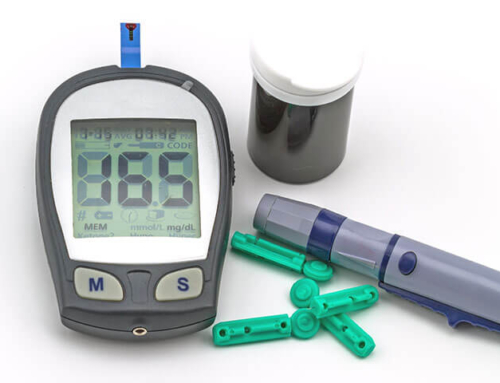
Make sure you test your blood sugars at home with a glucose meter often to see if products like Flonase, Nasonex, and Nasacort raise them. Check with your physician to see if you need to change insulin doses when taking steroids.
Because you may need to test more frequently, you may want to stock up on the least expensive glucose test strips to keep costs down.
Eye Drops
Eye drops are used to flush out pollen, reduce itching, redness, swelling, and keep the eyes moist during allergy season. Try Visine A or talk to your optometrist or ophthalmologist for the best choice. Some eye drops do contain steroids, which could raise blood sugars.
Cromolyn Sodium
Stuffy noses and watery eyes associated with allergies may benefit from eye drops and nasal sprays containing Cromolyn Sodium. This ingredient is a mast cell stabilizer that helps prevent the release of histamines during allergic reactions. It is derived from an herb and considered a “second or third line of defense for allergies.”
Nasalcrom comes in a solution and should be taken 3-6 times a day before exposure to an allergen. Consult a healthcare professional prior to trying this remedy.
Allergy Shots
If spring allergies continue to be a significant problem, you may need allergy testing followed by allergy shots. According to experts, allergy shots can be a slow fix, taking from six months to one full year to see reliable effects. Talk to an allergist to find out details.
Alternatives to Allergy Medicine
Can allergies affect blood sugar? Because some medications can affect blood sugar, you may want to seek out other options. Other remedies may be able to be used in place of medications after approval from a healthcare professional.
- Nasal irrigation is an effective way to relieve congestion and spring allergy symptoms. Options include neti pots, saline nasal spray, nose bidets, bulb syringes, squirt bottles, or pulsatile irrigation systems.
- Nasal rinses thin out mucus for instant relief. It is suggested to use generic sterile rinses in these devices, as opposed to tap water, which may cause an infection.
- Nasal strips may widen the nasal passage and give you up to 30% more air. These non-drug interventions can alleviate congestion associated with spring allergies.
- Herbs may help treat allergy symptoms, but be aware that they may raise blood sugar levels. They are not regulated by the FDA. It’s best to avoid herbal remedies unless first discussed with a healthcare professional.
Foods and Drinks
Eating spicy foods may open nasal airways and thin out mucus. Options include cayenne pepper, hot Chinese mustard, hot sauce, jalapenos or other spicy peppers, onions, and garlic.
Eating citrus fruits, apples, berries, and cherries, and drinking tea may help prevent cells from releasing histamine and reduce allergy symptoms. Other foods to include are probiotics such as plain yogurt, Kefir, and kimchi.
Certain foods commonly create sneezing symptoms in people with allergies. Melons, mangos, zucchini, bananas, tomatoes, peaches, and celery are common fruits and vegetables that may set you off. Peeling or cooking these foods can lessen the reactions.
Alcohol widens blood vessels, allowing a flow of blood that further clogs congested sinuses. Beer and red wine are high in histamines, which may trigger sneezing and coughing. If you do drink, consider gin or vodka, which are lower in histamines.
Staying super hydrated is one of the easiest and drug-free ways to thin out mucus and make you feel better instantly. Try to stick to plain water for the best results. Sugary juices, energy drinks, soda, and most sports drinks will just raise blood sugars.
Be Ready for Allergy Season
People who have diabetes need to be extra cautious when treating allergies, as certain medications, remedies, and lifestyle factors may directly or indirectly raise blood sugars. For example, Benadryl antihistamines and diabetes can be a potentially dangerous combination.
In addition to using the best allergy medicine for diabetes, make sure you’re stocked with diabetic supplies and health and wellness products that help you manage your levels effectively. From insulin supplies to diabetes lancets, our discount diabetic supplies help you manage your condition at a more affordable price. Shop now!
Have a question or comment? Post below with no registration required. I’d love to hear from you!
NOTE: Consult your Doctor first to make sure my recommendations fit your special health needs.








Roberta, I am peruvian and live in Lima, very humid city. Have been a diabetic under insulin for the past 60 years. Now 68 yrs and with Dexcom G6, Tresiba and Novorapid.
In some times of the year, I have rhinitis which affects my blood sugar. After allergy test, nothing was found. Treat my rhinitis with Neti Pot and Vicks sinus steam inhaler. Sometimes use Azelastine and take Aerius 5mg.
What can I do to treat rhinitis and control blood sugar? Thanks for your response.